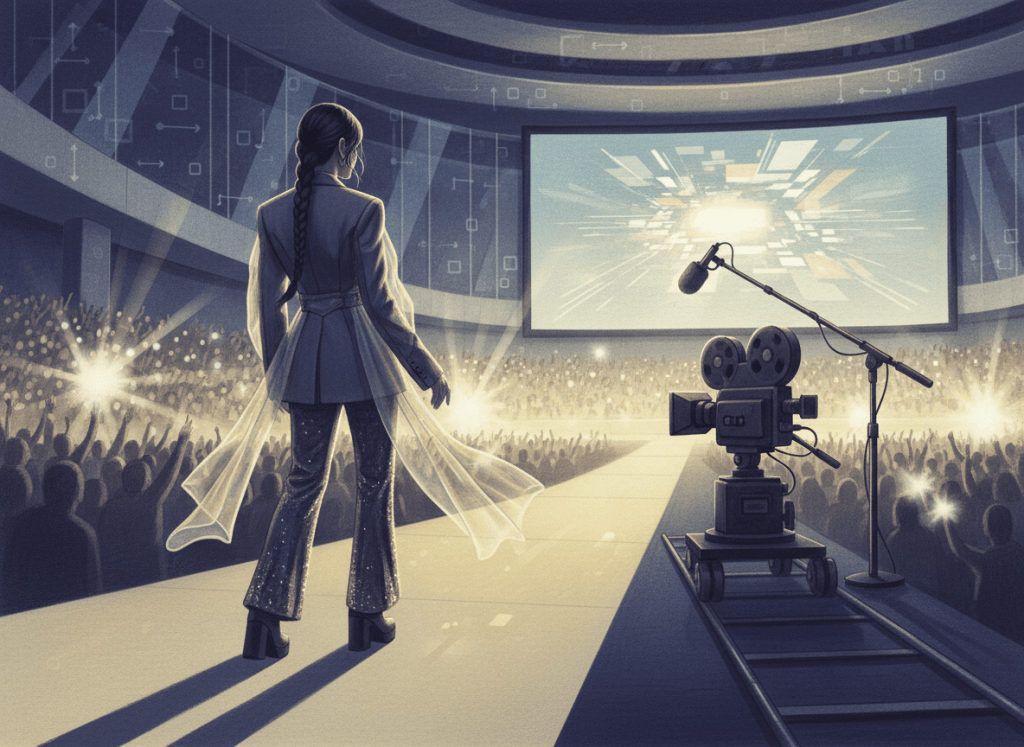
LISA’s next solo project is not an album or a tour stop. It is a feature-length documentary built to move across two very different viewing environments: a limited worldwide cinema and IMAX run beginning October 12, followed by an exclusive YouTube Premium streaming release later this year.
Always Lalisa follows a year in which LISA stepped further into a solo identity outside BLACKPINK, documenting the pressure, ambition, performance work, and personal decisions behind a career that increasingly spans music, fashion, acting, and global pop culture.
The release strategy is almost as interesting as the film
According to Sony Music Vision’s official release announcement, the Sue Kim-directed documentary will open in cinemas and IMAX worldwide on October 12 for a limited engagement before moving exclusively to YouTube Premium later in 2026.
That structure reflects how major music documentaries are changing. The theatrical window creates an event: giant screens, fan gatherings, premieres, and a sense that the film is part of a larger cultural moment. Streaming then expands the audience beyond the cities and dates that can support theatrical screenings.
Instead of choosing between cinemas and the internet, Always Lalisa is using both. The movie theater becomes the launch stage; YouTube becomes the long-tail distribution platform.
The documentary centers on control over the solo narrative
The trailer is less interested in presenting a simple victory lap than in showing the pressure attached to becoming a global solo brand. LISA is already known as a member of one of the world’s largest music groups. The documentary’s tension comes from what happens when an artist with that level of recognition tries to define a separate identity in public.
Billboard’s coverage of the trailer emphasizes that the film follows the triumphs and difficulty of LISA’s breakout solo year, including the strain of pursuing multiple major projects at once.
Billboard also highlighted the documentary through a directly relevant X post, describing the trailer as a look at both the joy and pressure surrounding LISA’s solo expansion.
Music culture is becoming more platform-native
This release fits a wider pattern BitcoinVersus has been tracking. Metallica is turning Sphere into a cinematic extension of the live concert, using venue technology to reshape how a performance is experienced.
At the creation layer, Universal Music and ElevenLabs are building a licensed AI remix platform for fans, pushing music companies to think about participation rather than simply distribution.
And on the creator side, Instagram’s Edits assistant is using performance data to tell creators what to make next. Taken together, the boundary between artist, platform, venue, audience, and distribution system is becoming much less rigid.
YouTube is no longer just the trailer destination
The most notable part of the distribution plan may be YouTube Premium’s role after the theatrical window. For years, YouTube has been where music documentaries are promoted through trailers, interviews, performances, and clips. Here, the platform also becomes the exclusive streaming home for the complete film.
That gives YouTube a deeper position in music culture. It already owns enormous attention around music videos and artist fandom. Premium distribution gives it another way to keep fans inside the same ecosystem from discovery to long-form viewing.
The documentary is also a form of artist infrastructure
A project like Always Lalisa does more than document an artist’s life. It can shape the public record around a transition. Interviews, rehearsals, behind-the-scenes footage, and creative decisions become part of the story fans use to understand why a career changed direction.
For an artist leaving the relative simplicity of a group identity for a broader solo business, that matters. The documentary becomes a narrative layer connecting the music, acting, fashion, live appearances, management decisions, and public expectations that would otherwise appear as separate headlines.
Culture is increasingly released in stages
The deeper trend is that major cultural products no longer need one definitive release format. A documentary can premiere at a film festival, become a limited IMAX event, generate a wave of social clips and discussion, and then settle into a global streaming platform.
That staged model gives each platform a different job. Festivals create prestige. IMAX creates spectacle. Social media creates conversation. YouTube creates global persistence.
For LISA, the result is a documentary release that mirrors the career it is documenting: global, cross-platform, carefully staged, and designed to move between traditional entertainment institutions and internet-native fandom without treating either one as secondary.
BitcoinVersus.Tech
Advertisement
Editor’s Note
We volunteer daily to ensure the credibility of the information on this platform is Verifiably True.
If you would like to support to help further secure the integrity of our research initiatives, please donate here: 3C9o19EH5HSiwEPyCTmEKzxhNCbo2X6TTb
BitcoinVersus.tech is not a financial advisor. This media platform reports on financial subjects purely for informational purposes.


Leave a Reply