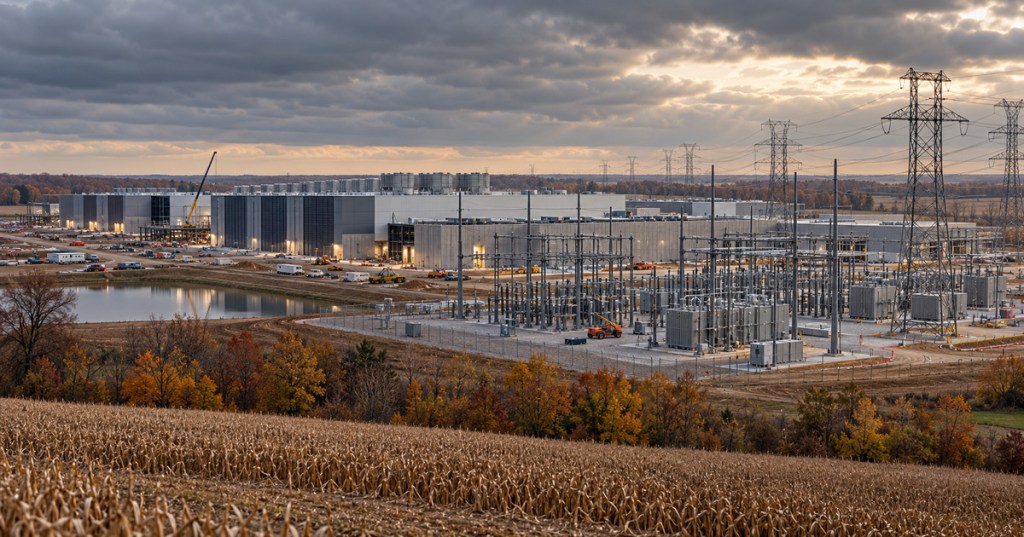
Indiana’s data-center boom includes an operating Amazon campus and two projects with reported power needs on the scale of a large generating station. In this installment of the state-by-state data-center series, we examine three of the largest individually documented Indiana proposals and campuses by their reported electrical scale as of October 28, 2026.
How we compared them: We use published estimates of full-campus electricity demand where available, not investment, acreage or current server consumption. Amazon’s New Carlisle campus has a reported 2,200-megawatt full-buildout figure. Digital Realty’s Kokomo proposal and Takanock’s Project Beckham each have an approximately 1,500-megawatt estimate, so they share second place. Beckham’s present status is uncertain. The ranking is provisional because projects disclose different power measures, some figures are older and other proposals have incomplete or ambiguous disclosures. Project Beckham is included as a documented historical proposal, not as an active construction site.
3. Project Beckham, Elkhart County — Approximately 1,500 MW Estimated, Tied
Takanock’s Project Beckham is a proposed data-center development in Elkhart County near Goshen. In April 2025 testimony to Indiana utility regulators, Takanock founder Kenneth Davies described an estimated 1.5 GW data-center load and a dispute with Northern Indiana Public Service Company over the route and cost of electric service. Powered Lands’ project record summarizes the filing and identifies the proposal with Goshen.
Davies said Takanock’s own modeling suggested that an existing 345-kilovolt transmission line could serve its request with limited network upgrades. That is a developer assessment, not proof of an approved interconnection or delivered power. An independently operated local information site describes the project as stalled and says its future is unclear; we could not independently confirm a current construction schedule. The 1,500 MW figure therefore represents an earlier estimated request, not an operating load or a guarantee that Beckham will proceed.
2. Digital Realty, Kokomo — Approximately 1,500 MW Proposed, Tied
Digital Realty’s Kokomo proposal calls for three buildings on approximately 476 acres at Industrial Park North. The company describes about 1 GW of IT capacity across roughly 3 million square feet. In October reporting on the proposal, a Digital Realty representative was quoted as estimating that the fully built campus would need about 1.5 GW of total facility power. This is a reported estimate, not a finalized utility interconnection agreement. The two numbers measure different things: IT capacity concerns computing equipment, while total facility demand also includes supporting systems.

The city and developer have described a closed-loop, air-cooled system and a commitment to pay for necessary infrastructure. WISH-TV reported that Duke Energy was still working through electricity agreements and could not confirm whether upgrades would be needed. A full site plan had not been submitted at the time of that report. Kokomo’s mayor has discussed a 2033 completion target and projected tax revenue, but those outcomes depend on the project being developed and assessed.
1. Amazon Project Rainier, New Carlisle — Approximately 2,200 MW at Full Buildout
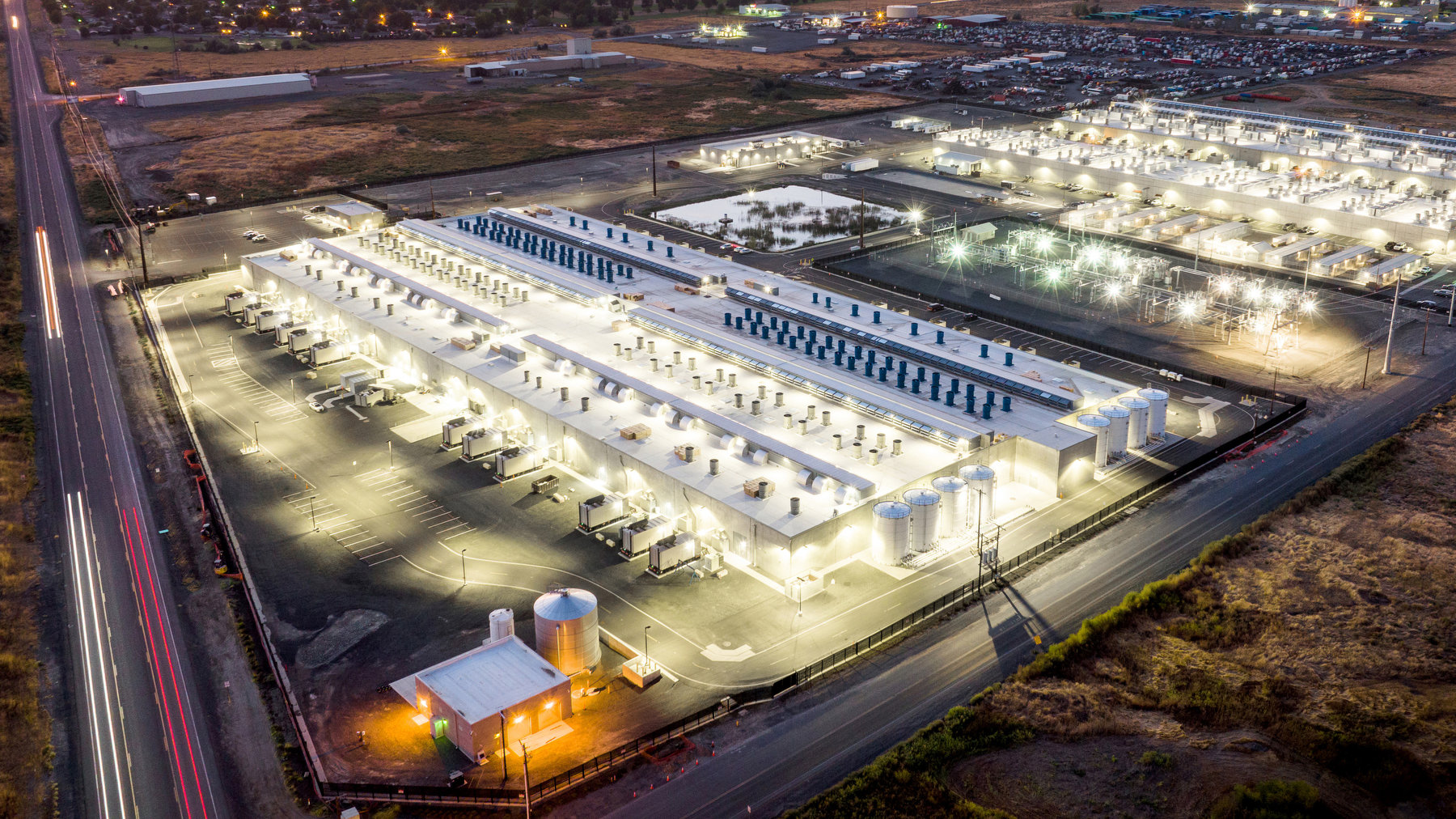
Amazon Web Services’ New Carlisle campus in St. Joseph County is already partly operating and continues to expand. The published full-buildout figure is not a verified current utility draw. The South Bend Regional Chamber’s AWS environmental FAQ says the site is expected to use approximately 2.2 GW at completion. BitcoinVersus.Tech covered Amazon’s $11 billion Indiana announcement in 2024; the current campus is much further along than a land-only proposal.
That 2.2 GW figure is the projected demand for the finished site, not a reading from its power meter today. Research group Epoch AI estimates about 1,037 MW of online IT power as of October 19, using satellite imagery and assumptions about commissioning. Its estimate is not an Amazon disclosure or a measurement of total site consumption.
Other Large Projects and the Power Behind Them
Meta broke ground on a Lebanon campus in February and says it is designed to deliver 1 GW when operational. Google’s Fort Wayne campus is another major development. An Indiana regional water study cites a 400 MW first phase and a 1,200 MW second phase; the source does not make their combined campus boundary sufficiently clear for a reliable comparison here. Neither is necessarily smaller than every proposal in a complete statewide inventory.
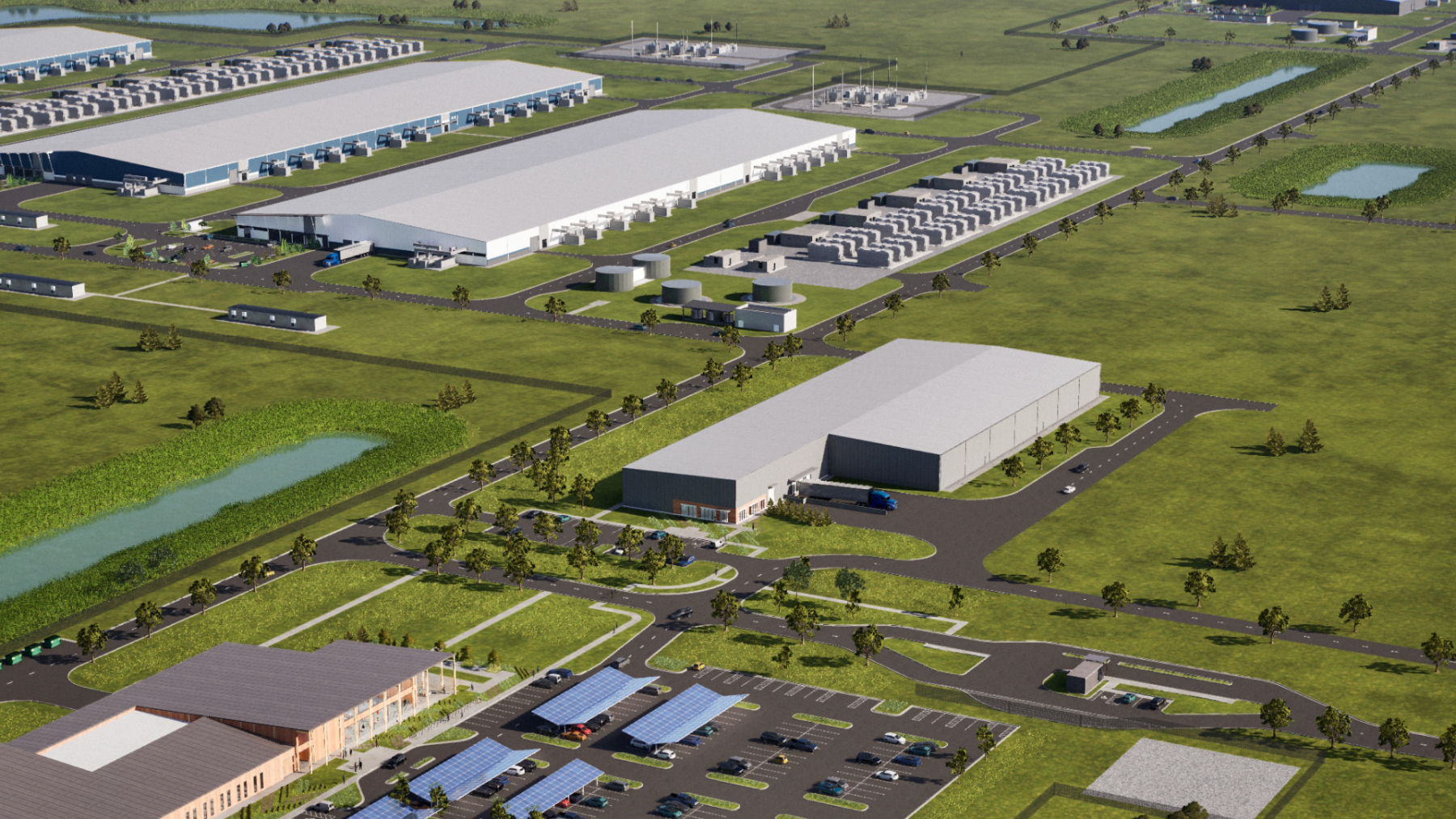
Amazon has also announced a separate 2.4 GW northern Indiana program with NIPSCO. Its utility filing describes a capacity commitment for Amazon data centers, rising through 2032. The program is not a verified 2.4 GW demand figure for one Hobart campus, and planned generation is not the same measure as data-center load.
A megawatt measures power, while a megawatt-hour measures energy over time. If a site continuously drew 2,200 MW for a full day, it would consume 52,800 MWh, or 52.8 GWh. That is an illustration of scale, not a claim about New Carlisle’s current use. As with the Idaho projects and the separate operating AI data-center rankings, the next milestones are actual permits, service agreements, construction and energization. The cost of serving fast-growing loads is also central to the debate over data-center electricity costs.
BitcoinVersus.Tech
Editor’s Note: Support independent BitcoinVersus.Tech reporting with a donation of 5,000 sats to the Bitcoin address 3C9o19EH5HSiwEPyCTmEKzxhNCbo2X6TTb.

Scan the QR code using your Bitcoin wallet to support independent reporting with 5,000 satoshis. Verify the recipient address is 3C9o19EH5HSiwEPyCTmEKzxhNCbo2X6TTb before sending.
BitcoinVersus.tech is not a financial advisor. This media platform reports on financial subjects purely for informational purposes.


Leave a Reply