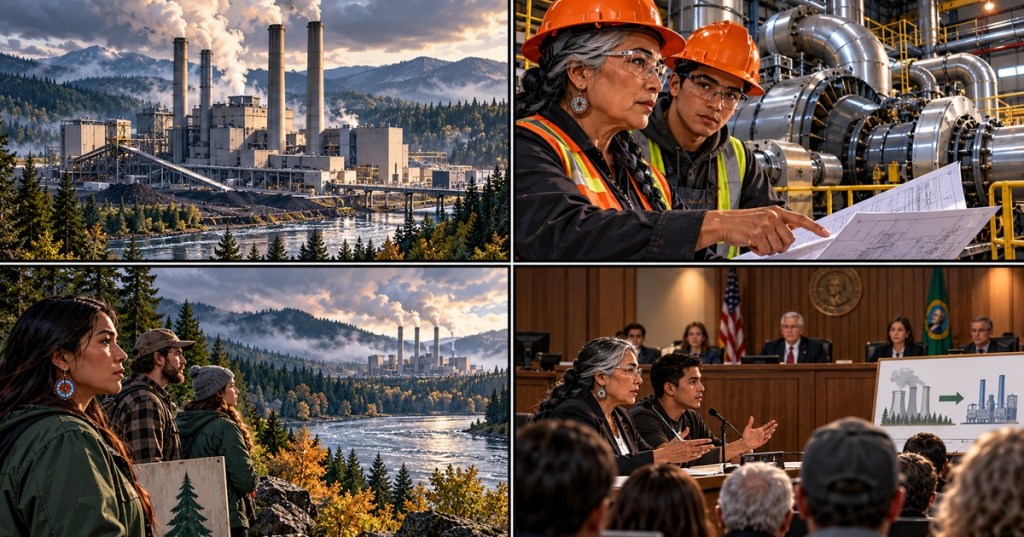
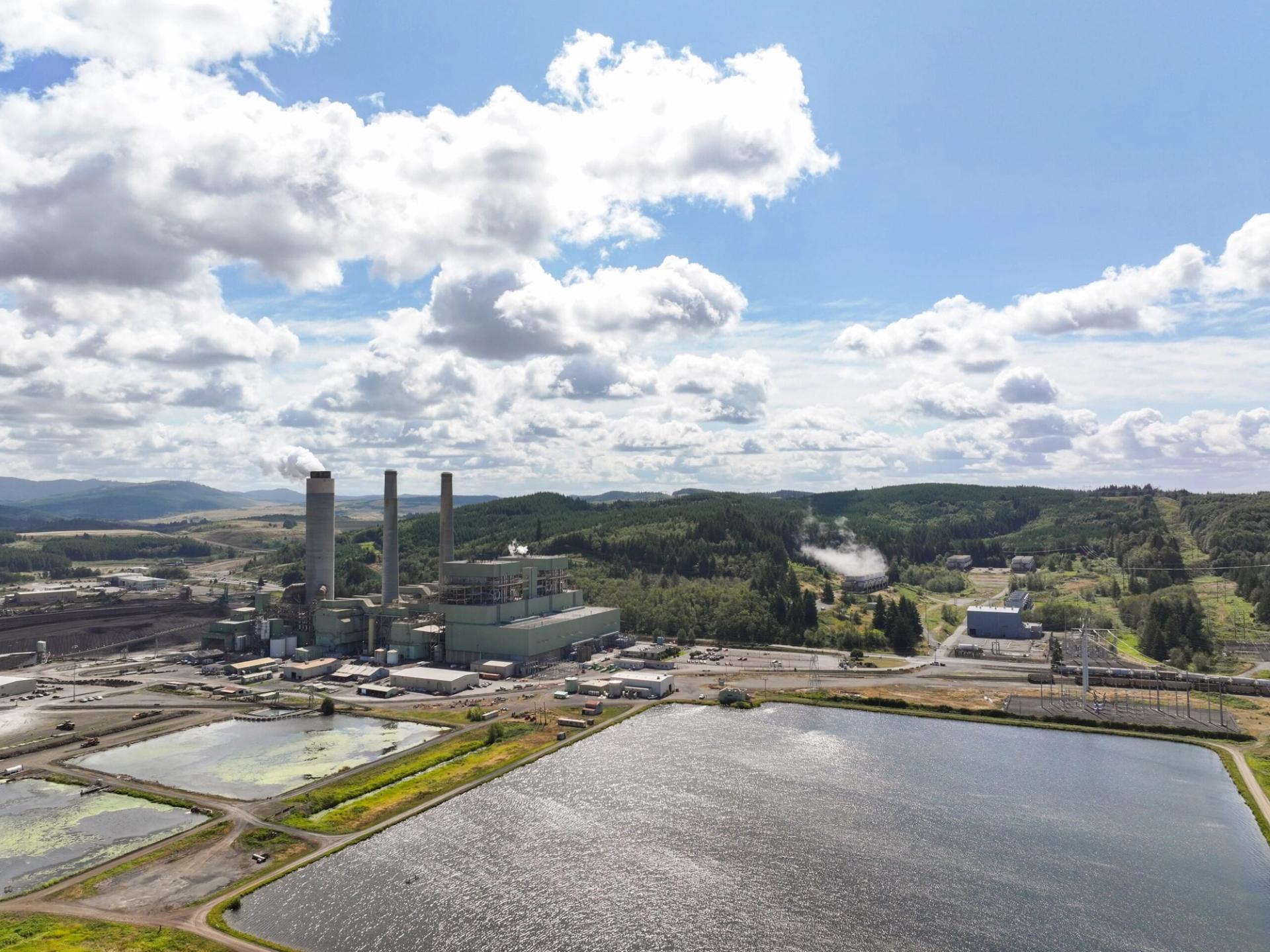
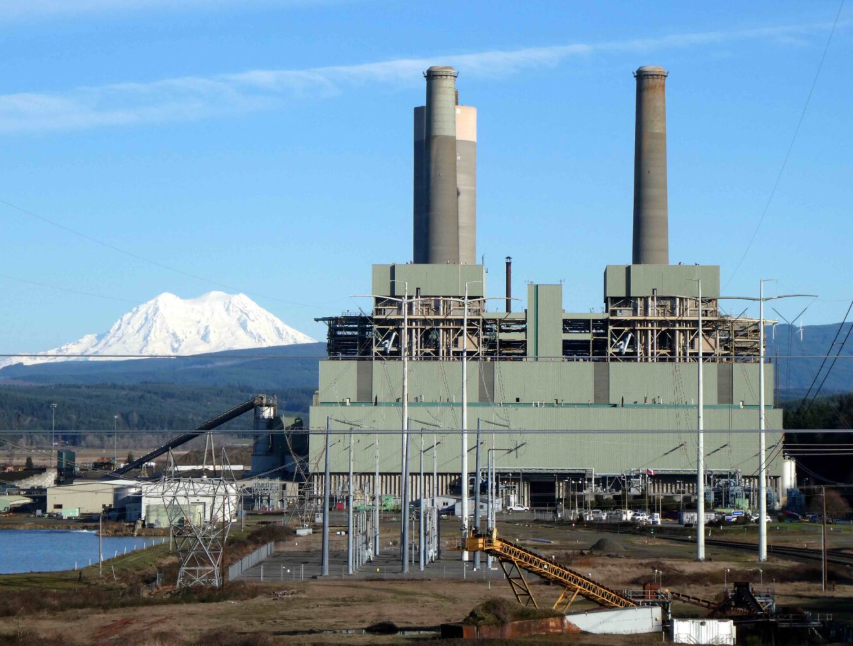
A plan to convert Washington’s last coal-fired power station to natural gas is facing a regulatory challenge that could complicate its proposed return to service in 2028. Environmental groups are contesting a power-sales agreement tied to the 700-megawatt Centralia Unit 2, while utility supporters say the converted plant would help keep electricity available during periods of high demand. The dispute will be examined at Washington Utilities and Transportation Commission hearings beginning November 3.
Plant owner TransAlta announced a contract with Puget Sound Energy in December 2025 to convert the idled coal unit to burn natural gas. It estimates approximately $600 million in conversion spending, with construction tentatively scheduled for 2027–2028 and service expected in late 2028. The deal would provide power capacity through 2044, subject to permitting, regulatory approval and a final investment decision.
The state and the utility have different tests to meet
Washington’s Department of Ecology issued a July environmental review concluding the proposed fuel switch would reduce several pollutants and greenhouse gas emissions relative to coal operation, though volatile organic compounds could increase. TransAlta agreed to fund $7 million to $21 million of regional clean-energy projects depending on annual emissions. Other permits, including air and land-use approvals, remain outstanding.
The utility-side challenge is separate. As the Washington State Standard reported October 29, environmental organizations have challenged the proposed Puget Sound Energy contract during the utility’s rate case. Opponents question whether keeping the plant dependent on fossil fuel through 2044 would expose customers to unnecessary costs and emissions. Supporters, including local business and labor voices, argue the conversion could preserve employment and use existing infrastructure to reduce electricity shortages.
The U.S. Department of Energy has separately issued emergency orders directing Unit 2 to remain available for possible operation through December 2026. Those orders do not amount to approval of a new gas plant, nor do they establish that the coal unit is regularly generating electricity.
A 700 MW capacity decision with long-term consequences
TransAlta’s proposed conversion would retain major parts of the existing steam-generator infrastructure while changing its fuel supply. The company anticipates lower emissions intensity than coal, but gas combustion would still produce carbon dioxide, and any climate benefit depends partly on how frequently the plant runs.
The controversy illustrates the difficult transition away from coal while maintaining dependable supply. BitcoinVersus.Tech recently covered Alliant’s gas and battery financing and why storage can compete with gas peaking plants. For Centralia, the immediate next step is regulatory scrutiny of the contract, followed by outstanding environmental permits—not an already approved 2028 restart.
Editor’s Note: We volunteer daily to ensure the credibility of the information on this platform is Verifiably True. If you would like to support our work and help further secure the integrity of our research initiatives, please scan the QR code below to donate 5,000 sats.

Scan the QR code with a compatible Bitcoin wallet, preferably while viewing the article on a laptop or larger screen. Donation address: 3C9o19EH5HSiwEPyCTmEKzxhNCbo2X6TTb.
BitcoinVersus.tech is not a financial advisor. This media platform reports on financial subjects purely for informational purposes.


Leave a Reply