
Navajo Nation-owned Navajo Transitional Energy Company has secured a three-year coal-supply agreement worth more than $100 million with Malaysia’s TNB Fuel Services. The U.S. Department of Energy announced the deal October 26, 2026, following an October 23 recognition event in Laramie, Wyoming. Coal is to come from NTEC’s Spring Creek Mine in southeastern Montana.
The announcement establishes the counterparties, source mine, duration and minimum stated value, but does not provide shipment volumes, coal prices, delivery dates or evidence that the first cargo has reached Malaysia. The contract value should not be mistaken for revenue already earned.
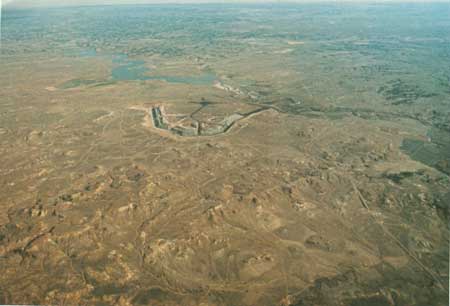
Montana Mine, Overseas Buyer
Spring Creek began shipping coal in 1980 and produces roughly 9 million to 13 million tons annually, according to a 2026 company-provided profile. That describes the mine’s general production range, not the tonnage assigned to this Malaysian contract. The operation is part of Montana’s wider energy economy, which also supports new data-center development.
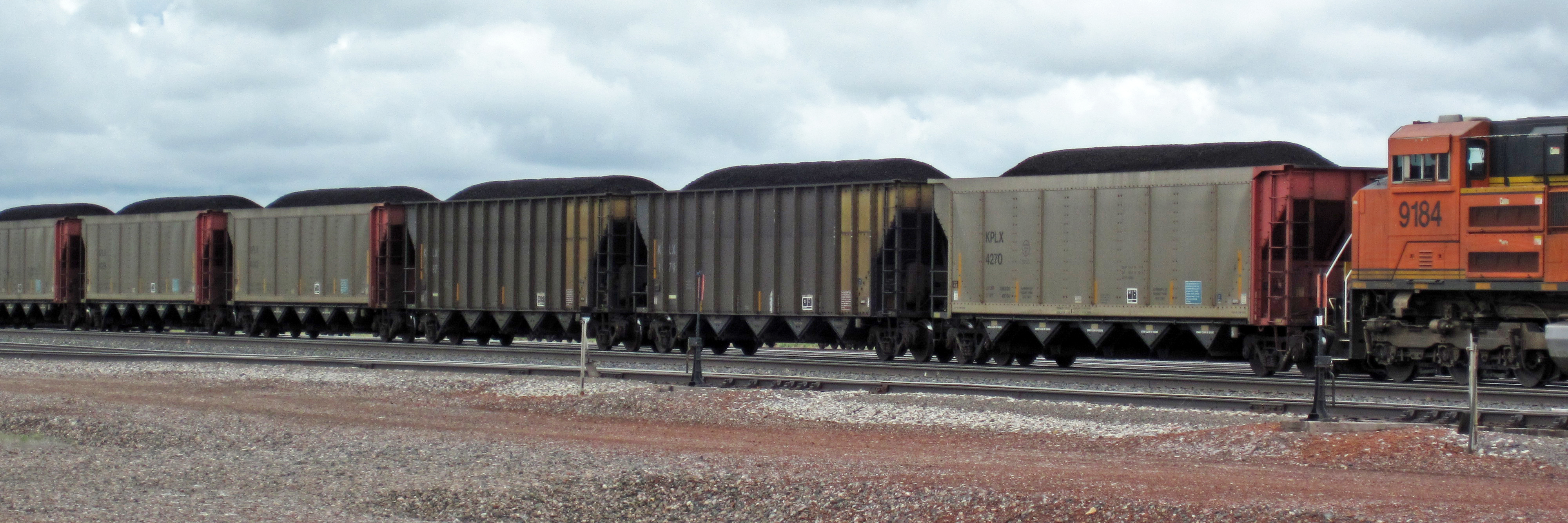
Moving the fuel overseas requires mine loading, rail transportation, export-terminal handling and ocean shipping. The published announcement does not identify the carrier, U.S. loading port or Malaysian unloading terminal. Those details will matter when assessing delivery costs and margins.
Why Malaysia Is Still Importing Coal
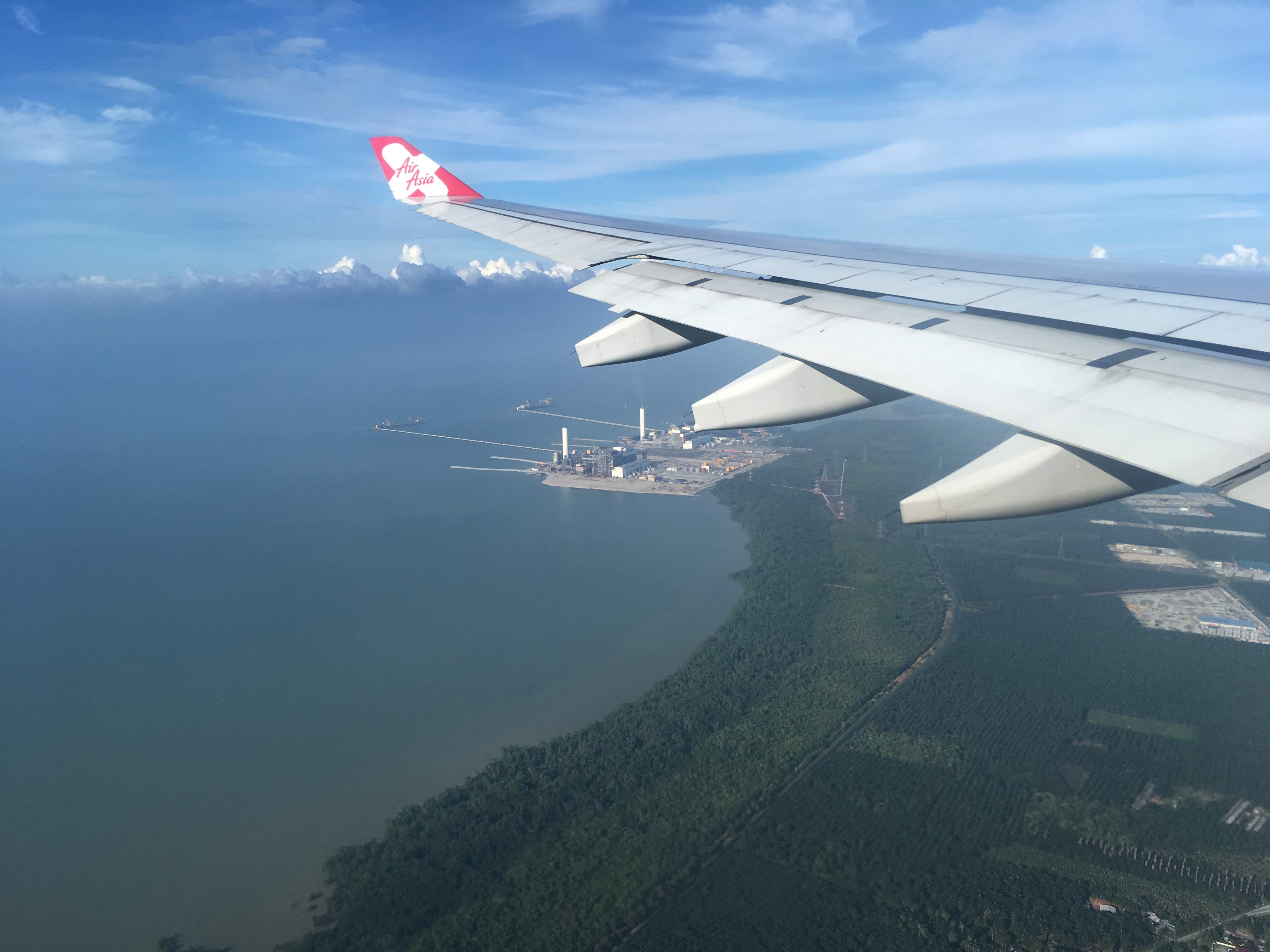
TNB Fuel Services procures and transports fuels for Malaysian power plants, including those operating under power-purchase agreements. Its website reports approximately 36.39 million metric tons of coal delivered to plants in 2025, demonstrating the scale of its existing procurement operation—not the size of NTEC’s deal.
Malaysia is also pursuing an energy transition. TNB previously committed to avoiding new greenfield coal plants while planning retirement dates for existing facilities. Coal imports therefore coexist with investments in other sources, a distinction explained in our clean-versus-renewable energy guide.
Trade, Emissions and Next Milestones
DOE connected the deal to broader U.S.–Malaysia trade commitments announced in October 2025, including $42.7 million annually in U.S. coal sales. It did not establish whether that commitment overlaps with this particular three-year agreement.
Coal generation provides dispatchable electricity but produces substantial carbon dioxide and air pollutants. Policy disagreements over its future also appear in the Centralia coal-to-gas dispute. As electricity demand rises, buyers are balancing dependable supply, costs and emissions.
The next measurable milestones are disclosed shipment quantities, verified deliveries, contract execution terms and revenue recognized by NTEC. None of those details was established in the October 26 federal announcement.
BitcoinVersus.Tech
BitcoinVersus.Tech Editor’s Note: We volunteer daily to ensure the credibility of the information on this platform is Verifiably True. If you would like to support our work and help further secure the integrity of our research initiatives, please scan the QR code below to donate 5,000 sats. For best results, scan the QR code from a laptop or larger screen.

Bitcoin address: 3C9o19EH5HSiwEPyCTmEKzxhNCbo2X6TTb. On a phone, open the QR image on another screen or copy and verify the address in your wallet before sending.
BitcoinVersus.tech is not a financial advisor. This media platform reports on financial subjects purely for informational purposes.


Leave a Reply