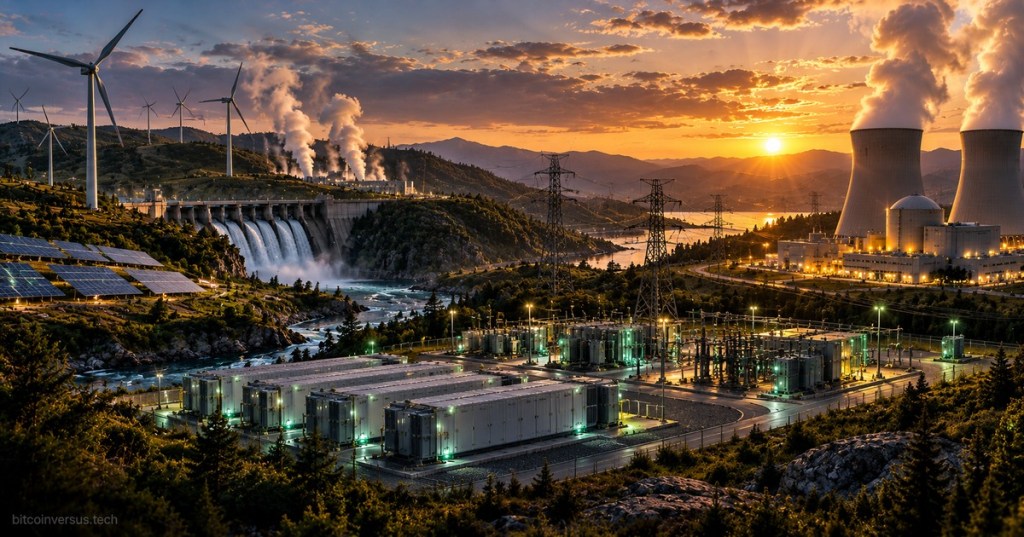
Clean energy and renewable energy overlap, but they are not the same thing. The easiest way to remember the difference is this: renewable describes where the energy comes from and whether nature replenishes it; clean describes how little pollution or greenhouse-gas emissions the technology produces, usually across operation or the broader energy system.
The U.S. Energy Information Administration defines renewable energy as energy from sources that are naturally replenishing but flow-limited. Its major categories include biomass, hydropower, geothermal, wind and solar.
“Clean energy” is broader and less universally fixed. In the U.S. Department of Energy’s 2024 energy-employment methodology, clean energy is defined around technologies that enable a transition toward net-zero emissions, including renewables, nuclear, non-fossil storage, non-fossil transmission and distribution, energy efficiency and some carbon-management technologies.
Renewable Energy Answers One Question: Does the Source Replenish?
Solar is renewable because sunlight continually arrives. Wind is renewable because atmospheric motion continually returns. Hydropower relies on the water cycle. Geothermal draws on heat from the Earth. Biomass can be renewable when the biological material is replenished on a human timescale.
That is why a large solar project such as BitcoinVersus’ recent coverage of Exus’ 715 MW solar portfolio is easy to classify: it is renewable because its primary energy source is sunlight, and it is also generally considered clean because solar generation produces no combustion emissions while operating.
Clean Energy Answers a Different Question: How Polluting Is It?
Clean energy is usually used as an emissions or pollution category rather than a fuel-renewal category. Solar, wind, hydro and geothermal usually fit both labels. Nuclear power is the classic example that separates the two terms.
Nuclear plants do not rely on a naturally replenished fuel source in the same way sunlight or wind does, so nuclear is generally not classified as renewable. But nuclear generation produces electricity without combustion and with very low operational carbon emissions, so many governments and energy agencies classify it as clean or carbon-free power.
BitcoinVersus covered that policy distinction when Colorado lawmakers moved to classify nuclear as a clean energy resource. That example shows why “clean” and “renewable” should not be used as perfect synonyms.
The Overlap Is Large, but Not Perfect
| Technology | Renewable? | Usually Considered Clean? | Why |
|---|---|---|---|
| Solar | Yes | Yes | Sunlight replenishes; no combustion during generation |
| Wind | Yes | Yes | Wind continually replenishes; no combustion during generation |
| Hydropower | Yes | Usually | Water cycle replenishes the resource; low direct carbon emissions |
| Geothermal | Yes | Usually | Earth heat replenishes on relevant timescales; generally low emissions |
| Biomass | Yes, when replenished | Depends | Fuel can regrow, but burning it still creates emissions |
| Nuclear | No | Yes in many frameworks | Uranium is mined, but fission produces no combustion emissions |
| Battery Storage | Not an energy source | Often clean-energy infrastructure | Stores electricity rather than creating primary energy |
Renewable Does Not Automatically Mean Zero-Emission
Biomass is the easiest example. Trees, crop waste, landfill gas and other biological feedstocks can replenish, so they can qualify as renewable. But burning biomass can still release carbon dioxide, particulates and other air pollutants. The climate result depends heavily on the feedstock, land use, regrowth, transportation and combustion technology.
Hydropower is another example of why labels do not tell the whole environmental story. A hydroelectric dam can provide renewable, low-carbon electricity while still changing river ecosystems, fish migration, sediment movement and local land use. “Renewable” describes the resource cycle; it does not mean “zero impact.”
Clean Does Not Automatically Mean Renewable
Nuclear is the clearest case, but some policy frameworks also place carbon capture, low-carbon hydrogen, storage, transmission and efficiency inside the clean-energy umbrella. Those technologies may reduce system emissions without being renewable generation sources themselves.
Battery storage illustrates the distinction especially well. A battery does not create primary energy, so calling a battery itself “renewable energy” is technically sloppy. But storage can be critical clean-energy infrastructure because it shifts solar and wind output into the hours when customers actually need electricity.
The new Eraring battery expansion proposal is a good example: the battery is not a renewable fuel source, but it can help a grid use more low-carbon generation by storing electricity and releasing it later.
Why the Difference Matters for Data Centers and Bitcoin Mining
For a data center or Bitcoin mine, saying a site uses “renewable power” and saying it uses “clean power” can describe different procurement strategies. A renewable contract might specifically purchase wind, solar, hydro or geothermal energy. A clean-energy strategy could include those sources plus nuclear, batteries, transmission upgrades or other low-carbon technologies.
The distinction becomes important when companies report emissions, negotiate power contracts or claim a facility is sustainable. The most useful disclosure is not a marketing label by itself, but the actual generation mix, hourly carbon intensity, source of energy attributes, storage use and whether the electricity is matched to consumption in real time.
The Simple Rule
Renewable asks: “Does nature replenish the source?” Clean asks: “How much pollution and carbon does the energy system produce?”
Solar and wind are both clean and renewable. Nuclear is clean in many frameworks but not renewable. Biomass can be renewable without always being especially clean. Batteries are neither a primary renewable source nor a generator, but they can be an essential part of a clean-energy grid.
Once those definitions are separated, energy headlines become much easier to read—and claims about “100% clean” or “100% renewable” power become much easier to evaluate.
BitcoinVersus.Tech
Advertisement
Editor’s Note:
We volunteer daily to ensure the credibility of the information on this platform is Verifiably True. If you would like to support our research initiatives, please donate here: 3C9o19EH5HSiwEPyCTmEKzxhNCbo2X6TTb
BitcoinVersus.tech is not a financial advisor. This media platform reports on financial subjects purely for informational purposes.


Leave a Reply