A power purchase agreement, or PPA, is a long-term contract that says who will buy electricity from a power project, how much they will pay, and under what conditions. In renewable energy, PPAs are one of the main ways wind and solar projects turn future electricity production into predictable revenue.
The simplest version is easy to understand: a developer builds a power plant, a buyer agrees to purchase its electricity for many years, and that contract gives both sides more certainty. The developer gets a clearer revenue stream. The buyer gets a defined way to purchase power, often with pricing rules that are known years in advance.
Why Clean-Energy Projects Use PPAs
A large solar farm or wind farm costs money long before it begins producing electricity. Developers must secure land, permits, engineering, interconnection rights, equipment, construction labor, financing, and grid access. Lenders and investors therefore want to know how the completed project will make money.
A long-term PPA helps answer that question. The U.S. Environmental Protection Agency says physical renewable-energy PPAs are commonly structured as roughly 10- to 20-year agreements. Those contracts can define the project’s commercial-operation date, delivery schedule, payment terms, under-delivery provisions, termination rules, and the transfer of renewable energy certificates, or RECs.
That revenue visibility can make a project easier to finance because the developer is not relying entirely on whatever the wholesale electricity market happens to pay each hour. A PPA does not remove all risk, but it can convert an uncertain future revenue stream into something more predictable.
Physical PPA: The Buyer Actually Takes the Power
In a physical PPA, the buyer purchases electricity from a specific renewable generator and receives the associated power through the grid. EPA describes this as a contract for both the electricity and, when included in the deal, the project’s RECs.
The project may sit directly on the customer’s property or somewhere else in the same power market. An on-site arrangement can resemble the behind-the-meter power model BitcoinVersus.Tech has covered for large energy users: generation is located close to the load, and the customer buys the electricity produced by equipment it does not necessarily own.
EPA notes that physical PPAs for non-utility customers generally work in competitive electricity markets where the generator and buyer are in the same market so the electricity can be physically delivered.
Virtual PPA: The Electricity and the Contract Are Separate
A virtual power purchase agreement, often called a VPPA or financial PPA, works differently. The renewable project sells its electricity into the local wholesale market. The corporate buyer still purchases electricity for its own facilities from its normal supplier, but it signs a separate financial contract with the renewable project.
The EPA’s financial-PPA guidance describes the VPPA as a type of fixed-for-floating price arrangement. The parties agree on a strike price. When the wholesale market price is below that strike price, the buyer generally pays the renewable project the difference. When the wholesale market price is above the strike price, the project generally pays the buyer the difference.
This can give the project a more predictable effective selling price while giving the buyer a hedge linked to wholesale electricity prices. The electricity itself does not have to flow from the project to the buyer’s building.
Why a PPA Is Not the Same as an Electricity Bill
A normal utility bill pays for electricity service delivered to a customer under the utility’s tariff. That bill can include energy charges, transmission, distribution, taxes, fees, and sometimes a demand charge based on the customer’s highest power draw.
A PPA is a separate contract tied to a specific generating project. Depending on the structure, the customer may still receive and pay a normal utility bill while also settling a PPA each month.
The Difference Between MW and MWh Still Matters
A PPA is usually connected to the energy a project actually produces, so it helps to separate MW from MWh. Megawatts describe instantaneous power capacity. Megawatt-hours describe energy produced or consumed over time.
A 100 MW solar project does not automatically produce 100 MWh every hour of the year. Sunlight changes throughout the day and seasons, equipment can be unavailable, and grid operators can sometimes reduce output. That is why capacity factor is important when estimating how much electricity a project can actually deliver under a PPA.
What Happens When the Wind Stops or the Sun Goes Down?
A wind or solar PPA does not make the underlying resource constant. The project still produces according to weather, equipment availability, and grid conditions. The contract defines how those realities are handled financially.
This distinction is why a company cannot assume that signing a solar PPA means a facility is physically running on solar power every second of the day. BitcoinVersus.Tech’s explainer on whether solar can run a data center 24/7 shows the engineering problem clearly: solar output disappears at night, while the load may need power continuously.
Batteries Can Change the Shape of the Deal
Adding battery storage can make renewable generation more flexible. A battery can charge when electricity is abundant and discharge later, helping shift energy from one time period to another.
That is the same basic role described in BitcoinVersus.Tech’s coverage of the 40 MW / 160 MWh Waena battery. Storage does not create energy, but it can change when electricity is delivered and can reduce how much renewable generation must be curtailed during oversupplied periods.
A solar-plus-storage project can therefore sign a contract with different delivery expectations than a solar-only plant. Some buyers care mainly about annual renewable-energy volume. Others increasingly want electricity delivered during specific hours when the grid is tight or when their own load is highest.
PPAs Can Help Build New Projects
One reason PPAs matter so much is that a committed buyer can support construction of generation that might otherwise struggle to secure financing. EPA lists enabling new renewable projects as one of the advantages of long-term physical PPAs.
BitcoinVersus.Tech has covered this process in real projects. The 30 MWp solar + 8 MWh battery project in Chad, for example, uses a PPA-backed structure in which payment guarantees help reduce the risk that the electricity buyer will fail to pay.
The contract becomes part of the project’s financial infrastructure just as surely as the inverter, transformer, solar panels, wind turbines, or battery are part of its physical infrastructure.
The Buyer Still Takes Risk
A long-term contract can stabilize prices, but it can also lock the buyer into a deal that later looks expensive. With a financial PPA, the customer can owe money when wholesale prices stay below the agreed strike price. The value of the hedge therefore depends on where and when the renewable project produces electricity.
This matters in markets with frequent negative electricity prices. When wind or solar output is extremely high but local demand or transmission capacity is limited, wholesale prices can fall sharply and renewable plants may even be curtailed.
A PPA does not make congestion disappear. The contract allocates financial risk around the project; the physical grid still has to move the electricity.
RECs Decide Who Gets the Renewable-Energy Claim
A renewable energy certificate, or REC, represents the environmental attributes associated with renewable electricity generation. EPA emphasizes that PPA terms should specify who owns those RECs.
That detail matters because buying electricity from a solar project and owning the renewable claim are not automatically the same thing. If the project sells its RECs to somebody else, the host or power buyer may not be able to claim the associated renewable attributes unless the contract or another purchase gives them those rights.
Why Data Centers Care About PPAs
Large data centers need enormous and predictable amounts of electricity. BitcoinVersus.Tech has tracked how AI and crypto data-center growth is pushing U.S. power demand toward new records. That scale makes long-term power procurement a strategic issue rather than just a monthly utility expense.
A data-center operator can use PPAs to support new renewable generation, hedge part of its long-term power exposure, and obtain renewable-energy attributes. But a PPA does not replace the need for utility interconnection, transmission capacity, UPS systems, generators, or other infrastructure required to keep a facility operating continuously.
Why Bitcoin Miners Care About the Same Markets
Bitcoin mining interacts with renewable markets differently because miners can often reduce load more quickly than many industrial users. That flexibility can make stranded or underused energy economically interesting.
A miner may sign a long-term energy contract, operate directly near generation, buy power from the grid, or combine several strategies. What matters is that both the generator and the load are exposed to the same basic market problem: electricity must be produced and consumed at the same time unless storage or another flexible resource shifts it.
The Simple Way to Remember It
A PPA is a long-term promise about electricity. The generator gets a buyer. The buyer gets defined commercial terms. The contract can make a clean-energy project easier to finance because future revenue becomes more predictable.
A physical PPA includes delivery of electricity from the renewable project to the buyer through the power market. A financial or virtual PPA is primarily a price hedge and renewable-energy contract; the buyer continues purchasing its actual facility electricity separately.
The hardware still matters—solar panels, wind turbines, batteries, transformers, transmission lines, and grid interconnections produce and move the electricity. The PPA is the commercial layer that helps turn that physical infrastructure into a financeable business.
Editor’s Note
PPA structures vary by electricity market, jurisdiction, project type, tax treatment, renewable-energy certificate ownership, settlement point, and risk allocation. This article explains the general physical and financial PPA models; project-specific contracts can be substantially more complex.
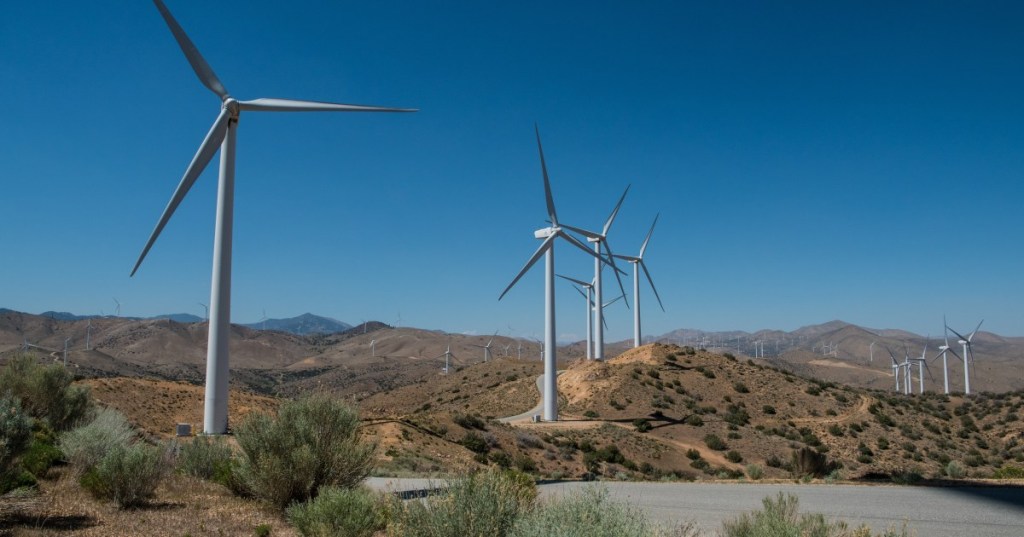
Featured image: Pine Tree Wind and Solar Farm, Mojave Desert, California. Photo by Dennis Schroeder / NREL. U.S. federal-government work in the public domain; cropped to 1200×630 for BitcoinVersus.Tech.
Support and donation options are available through BitcoinVersus.Tech.
BitcoinVersus.tech is not a financial advisor. Content is provided for informational purposes.


Leave a Reply