
Virginia is home to the world’s most concentrated established data center market and an expanding construction pipeline well beyond Northern Virginia’s Ashburn corridor. Five of the state’s most substantial single-campus developments include Amazon Web Services’ Northeast Creek project in Louisa County, Tract’s Hanover Technology Park, EdgeCore’s Shannon Hill campus, STACK Infrastructure’s Stafford project and Digital Realty’s Digital Dulles. Their announced electrical ambitions reach from roughly one gigawatt to a third-party estimate of 2.7 GW, but not all of that power has been contracted, energized or delivered to servers.
This Top 5 ranks five large, identifiable active campuses by their highest published full-development power figures and reports the source of each figure. These are not five confirmed leaders in metered operating IT load: the Amazon figure is a third-party campus estimate without an equivalent operator-confirmed MW rating; some other figures represent a developer’s planned utility envelope, while EdgeCore reports critical IT load. That difference makes an exact statewide numerical leaderboard impossible from public information alone. The comparison deliberately excludes combinations of separate operator campuses and withdrawn projects.
5. Digital Realty Digital Dulles, Sterling — Up to 1 GW Planned; Operating and Expanding
The Digital Realty development known as Digital Dulles occupies the former Western Lands property near Washington Dulles International Airport in Loudoun County. Digital Realty bought the approximately 424-acre parcel in 2018 and has been bringing large data halls into service since 2023. In a January 7, 2026 report, Data Center Dynamics said the operator had previously described a full-build campus of up to 1 GW supplied through six substations.
That earlier development projection differs from an independent Cleanview full-build modeling estimate of 1,723 MW. Neither amount is an independently measured current draw. The more conservative approximately 1 GW figure is used here because it is traceable to an operator statement, while the higher modeled number is disclosed separately. The January 2026 permit modification sought two additional data center buildings, changes to substation footprints and transmission easements, and updated stormwater facilities. Digital Realty has also described an enlarged site design with about 11.7 million square feet of potential building area.
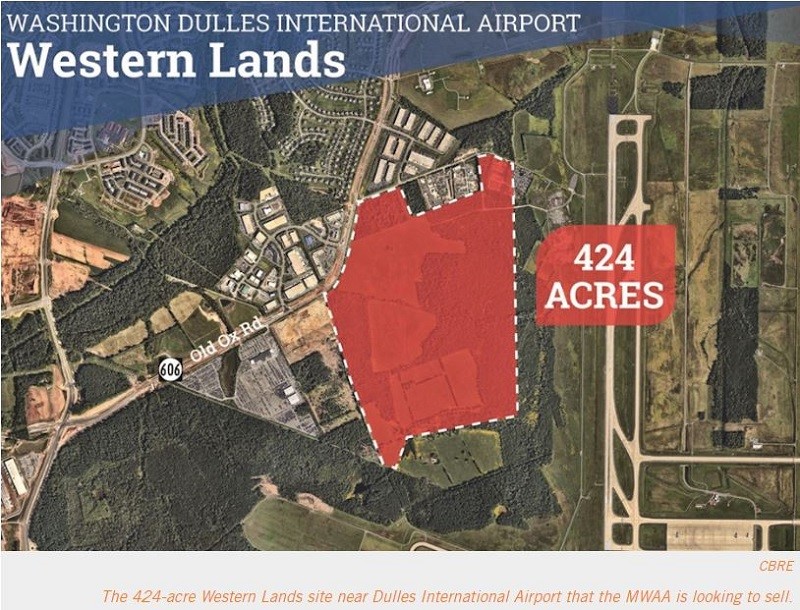
The older parcel map shows the land before its current development phases rather than today’s construction. Local concerns center on roads, transmission upgrades, backup generators and aviation-adjacent land use. Future comparisons should track how much of the planned campus is leased and supplied with utility power, not assume that every proposed building already houses running GPUs.
4. STACK Stafford Technology Campus — More Than 1 GW Planned; First Building Topped Out
STACK Infrastructure is developing the Stafford Technology Campus along U.S. Route 1 and Eskimo Hill Road in Stafford County. At full development, the company says the roughly 500-acre campus is intended to contain 19 data center buildings with more than 1 GW of capacity. That is the developer’s long-term project target, not the load currently switched on.
Construction reached a verifiable milestone in May 2026 when the first building’s steel was topped out. Data Center Dynamics reported that crews had logged more than 425,000 work hours and moved some three million cubic yards of earth. STACK has said the site will include utility improvements and reclaimed-water infrastructure. These claims describe construction progress and proposed mitigations; they do not establish operational server demand or final phase completion.
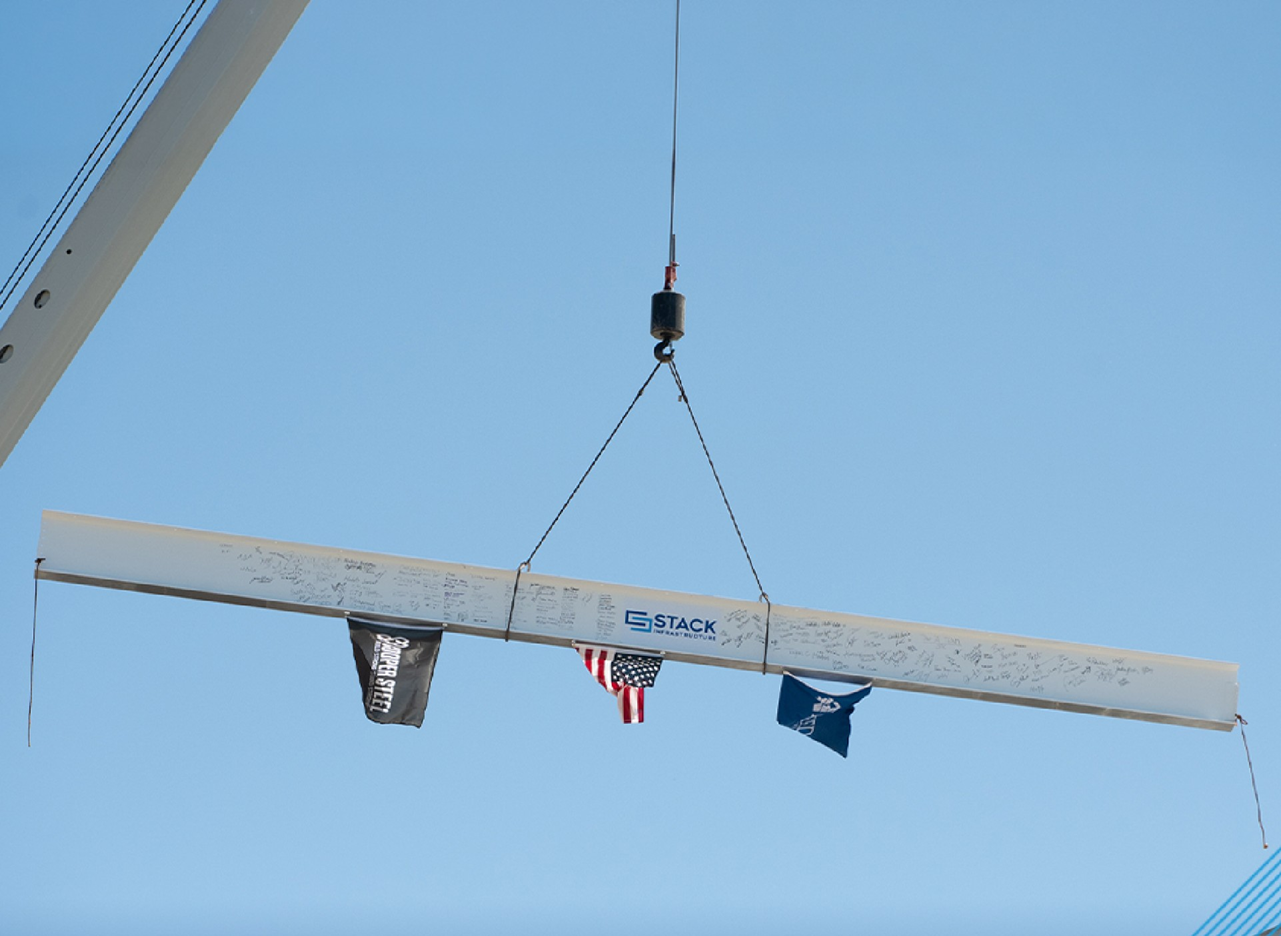
The county’s historic rezoning approvals made this project possible, but construction of one building is only an early milestone in a 19-building plan. Residents have questioned the effects of new transmission corridors, traffic, noise and nearby development. The next meaningful data point is the number of powered and occupied halls, with disclosed grid delivery milestones and actual critical IT megawatts.
3. EdgeCore Shannon Hill, Louisa County — More Than 1.1 GW Critical IT Planned
EdgeCore Digital Infrastructure plans a large single-tenant campus at Shannon Hill Regional Business Park. The operator publishes more than 1.1 GW of eventual critical IT load, across approximately 697 acres and at least six data centers. Its current location sheet lists roughly 3.1 million square feet, although an earlier June 2025 announcement described approximately 3.9 million square feet. The difference reflects changing disclosed development scopes, not additional buildings that should be double counted.
In the June 2025 announcement, the company estimated investment exceeding $17 billion. The county confirmed the 697-acre sale, and a U.S. Army Corps of Engineers notice dated August 3, 2026 sought comments on wetlands and stream impacts for Phase 2. Having land and an active application is not equivalent to having the full campus approved and operating.
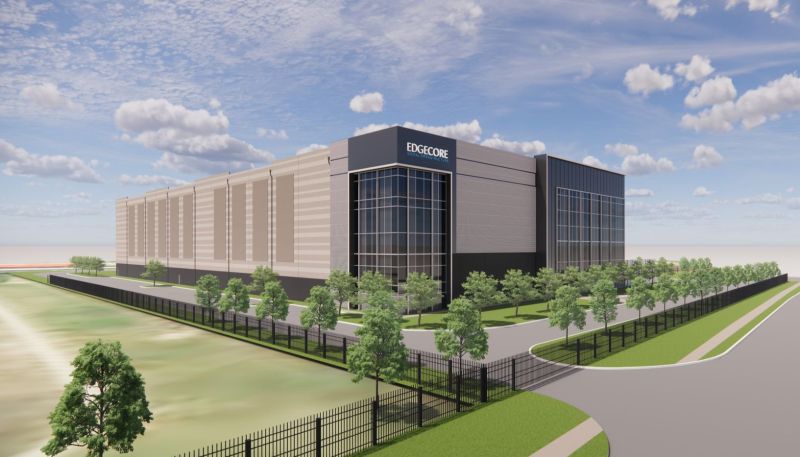
EdgeCore says the buildings are intended for high-density AI workloads, with direct-to-chip cooling options and a closed-loop water system. Its published water-use-effectiveness target is less than 0.01 liters per kilowatt-hour, a design objective that should be tested against actual operations once halls become active. This is also a useful reminder that 1.1 GW critical IT is a more specific computer-power metric than a property’s maximum grid connection.
2. Tract Hanover Technology Park — 2.4 GW Master Plan; Site Infrastructure Underway
Tract’s Hanover Technology Park covers approximately 1,211 acres near Ashland along Hickory Hill Road and Interstate 95. The developer says the property can support up to 2.4 GW of power capacity across a maximum of eight substations. Tract announced the acquisition in May 2024 after county supervisors approved the necessary industrial zoning and conditional use permissions earlier that year.
The Hanover County project dashboard documents important 2026 work. A plan for an internal loop road, utilities and water infrastructure received approval on July 15 and construction was underway; separate applications covered an on-site substation and wastewater pump station. These are confirmed site-readiness milestones, not evidence that all of the future power or data halls have entered service. Tract’s original target was to begin energizing the site in 2028.
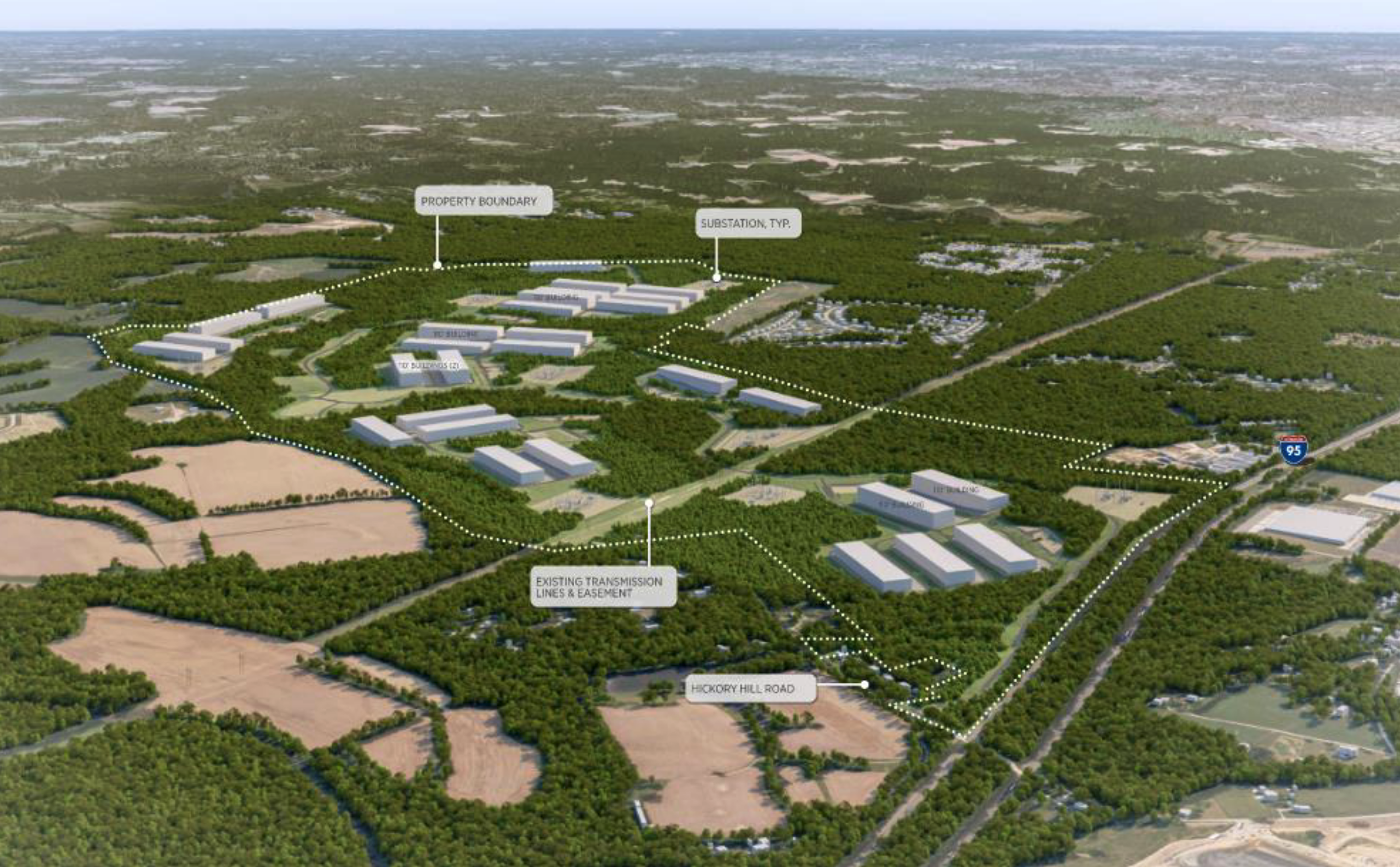
The Hanover project must not be confused with Tract’s separate Mountain Road Technology Park, a roughly 900 MW proposal that county supervisors rejected in May 2026. The approved Hickory Hill campus and rejected Mountain Road application have different boundaries and legal statuses. At Hanover, the next milestone is permitted building-level construction and a dependable date for delivered utility power, followed by the actual tenant and critical IT load.
1. AWS Northeast Creek, Louisa County — About 2.7 GW Tracked; Operating MW Unconfirmed
The largest numerical figure in this selected comparison belongs to Amazon Web Services’ Northeast Creek Technology Campus, west of Jefferson Highway in Louisa County. A Virginia project directory assigns it approximately 2.7 GW of full-development site power, but the number should be treated as a third-party reported campus estimate, not an Amazon-certified critical IT rating or electricity currently consumed. The U.S. Army Corps’ 2024 filing does establish a project with ten data center buildings, three substations and accompanying stormwater and administrative infrastructure.
This is not merely a proposal on paper. The builder, Clark Technologies, says construction began in 2025 and reported the Northeast Creek campus roughly 18% complete in a mid-2026 update, with sitework and utility infrastructure continuing. Its construction progress should not be multiplied by the 2.7 GW directory number to infer energization. The county’s own data-center information hub identifies Northeast Creek and Lake Anna as separate AWS projects; a third conditional-use application was withdrawn and should not be added to the active pipeline.
Louisa County’s July 20, 2026 Citizens Academy recording discusses data center development, planning decisions and the local approval framework affecting AWS campuses.
Cooling and utility responsibilities remain important questions. Louisa County officials have described plans for nonpotable cooling-water delivery and for AWS to reimburse utility infrastructure costs. Nearby residents have reported construction dust, noise and water problems, including allegations in a July lawsuit covered by Virginia Mercury. Those claims remain allegations unless established by a court or independent technical investigation. The key facts for a future power-ranking update are contractually available capacity, energized substations and the operating server load.
Why QTS Richmond and Prince William Digital Gateway Are Not Counted as Single Projects
An independent full-build database places QTS’s Richmond portfolio around 2,054 MW and reports extensive operating capacity, but the operator markets Richmond 1, Richmond 2, Richmond 3 and Richmond 5 as separate campuses with distinct site boundaries and project specifications. Combining multiple neighboring sites into a single ranked project would undermine the campus-level comparison used here. QTS remains one of Virginia’s biggest operating data center investors, but this ranking does not treat a portfolio aggregate as a standalone development.
The previously approved Prince William Digital Gateway once appeared in statewide megaproject lists with exceptionally large estimated capacities. However, the disputed zoning approvals were overturned and QTS said in July 2026 that it would terminate its associated development plans. The project cannot responsibly be represented as a current approved or under-construction campus. The selection also does not claim that every power request in Virginia’s project pipeline is a funded, tenant-committed build.
What Virginia’s Gigawatt-Scale Pipeline Means
Across the state, the critical distinctions are planned campus rating, utility connection, critical IT load, backup generator capacity, permitted site work and active server demand. Each measures something different. Developers may acquire land and begin roads years before their first data center is energized; a company can operate one building while the full campus remains a decade-long plan.
Virginia’s high-voltage grid, proximity to fiber routes and established operators have helped make it the center of US hyperscale investment. Residents and regulators must meanwhile evaluate transmission costs, groundwater and municipal water arrangements, diesel exhaust and long-term revenue promises. The Texas Top 7 and Utah editions examine the separate trend toward campus-scale energy development. Our capacity-planning lesson explains why operating megawatts should not be inferred from a development master plan.
BitcoinVersus.Tech
BitcoinVersus.Tech Editor’s Note: We volunteer daily to ensure the credibility of the information on this platform is Verifiably True. If you would like to support our work and help further secure the integrity of our research initiatives, please scan the QR code below to donate 5,000 sats. For best results, scan the QR code from a laptop or larger screen.
Bitcoin address: 3C9o19EH5HSiwEPyCTmEKzxhNCbo2X6TTb. Confirm the destination address before sending.

BitcoinVersus.tech is not a financial advisor. This media platform reports on financial subjects purely for informational purposes.


Leave a Reply