
Thailand’s Supreme Court has ruled that Bitcoin can be treated as property in a criminal robbery case, rejecting an argument that the digital asset’s lack of physical form meant it could not be stolen. A summary of judgment No. 4929/2569 made public on October 28, 2026, confirmed a 10-year prison sentence arising from a forced Bitcoin transfer on Koh Samui in 2022.
The case concerned a victim who was forced to exchange $50,000—about 1.878 million Thai baht at the time—for 2.480801 BTC, then send the coins to an attacker-controlled wallet. Witness testimony described threats, physical assault and intimidation of the victim’s family. The defendant was found to have assisted the group, including arranging transport and accommodation.
Watcher.Guru reported the Supreme Court’s Bitcoin property ruling on October 28.
Why the Court Considered Bitcoin Property
The defendant had disputed whether Bitcoin could constitute the property taken in a robbery. According to the Thai-language account of the judgment, the full bench rejected that reasoning: Bitcoin has a market price, can be held by individuals and can be converted into cash when a buyer is available. Exchanging money for an electronic asset did not erase the value that the victim lost.
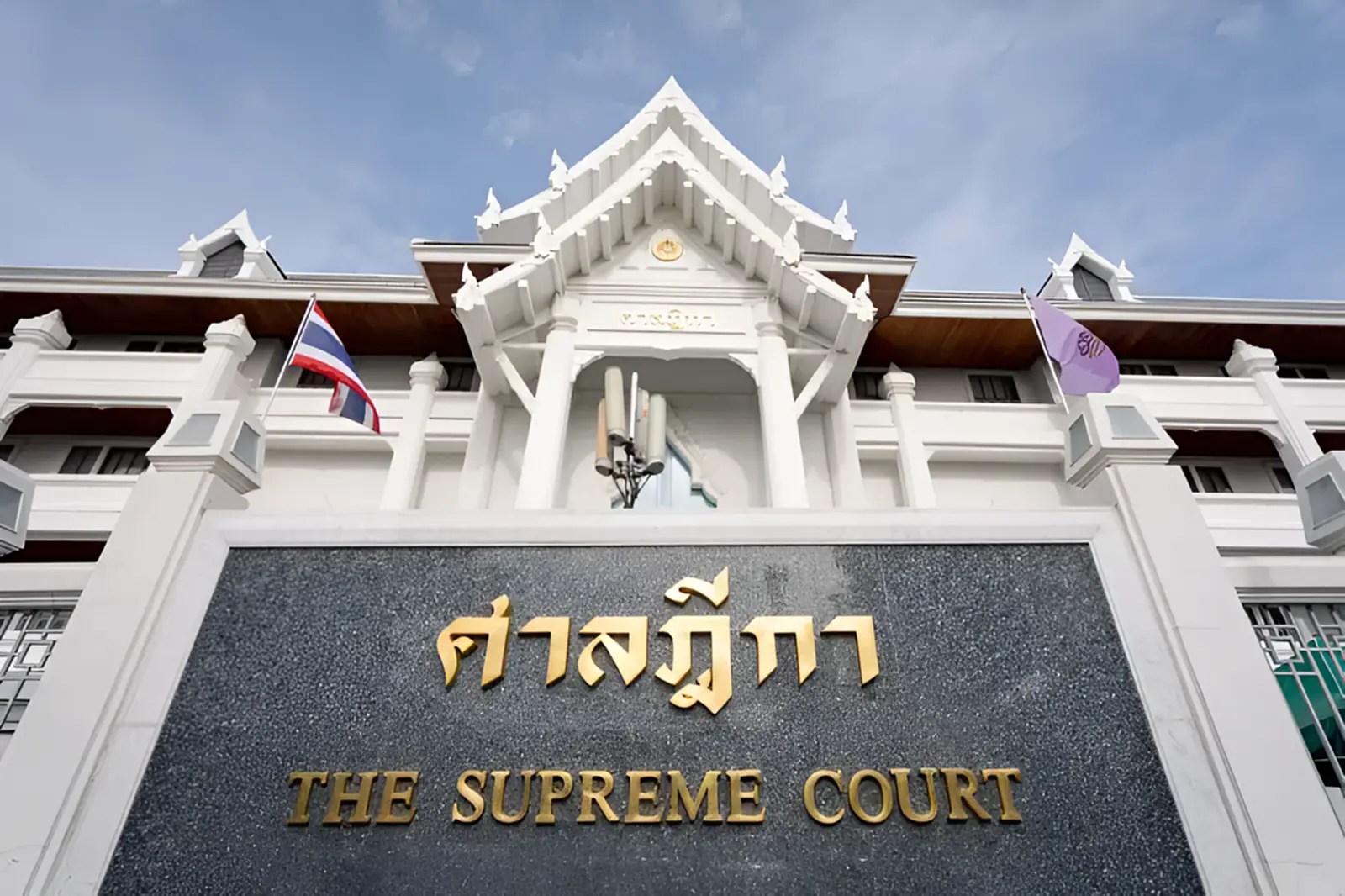
The trial court had imposed a 15-year sentence, reduced by one-third because the defendant’s evidence assisted the proceedings. Both the regional appellate court and Supreme Court upheld the resulting 10-year sentence. The courts also ordered the Bitcoin returned or its value compensated. The published summary does not establish whether restitution has actually occurred, nor specify the date on which the Supreme Court originally pronounced its judgment.
Bitcoin Is Not Legal Tender in Thailand
The decision does not make Bitcoin legal tender, replace Thailand’s baht or authorize unrestricted crypto payments. The court expressly considered the Bank of Thailand’s position that cryptocurrencies do not have legal-tender status. Its finding addresses the asset’s economic value and the requirements of a robbery offense, not broader questions of tax, inheritance or civil recovery.
BitcoinNews.com summarized the Koh Samui case, the 10-year sentence and the distinction between property and legal tender.
Thailand has separately regulated digital-asset businesses under its 2018 framework. On October 8, the Securities and Exchange Commission issued rules for locally listed Bitcoin and Ether ETFs that took effect October 16. That investment policy was a separate regulatory decision, previously covered by BitcoinVersus.Tech.
The immediate legal significance of the Supreme Court judgment is narrower and concrete: the absence of a physical coin or a legal-tender designation did not prevent the court from treating the forcibly transferred Bitcoin as property in this robbery. How the reasoning is applied to other factual disputes will depend on future cases.
BitcoinVersus.Tech
BitcoinVersus.Tech Editor’s Note: We volunteer daily to ensure the credibility of the information on this platform is Verifiably True. If you would like to support our work and help further secure the integrity of our research initiatives, please scan the QR code below to donate 5,000 sats. For best results, scan the QR code from a laptop or larger screen.
Bitcoin address: 3C9o19EH5HSiwEPyCTmEKzxhNCbo2X6TTb. Confirm the destination address before sending.

BitcoinVersus.tech is not a financial advisor. This media platform reports on financial subjects purely for informational purposes.


Leave a Reply