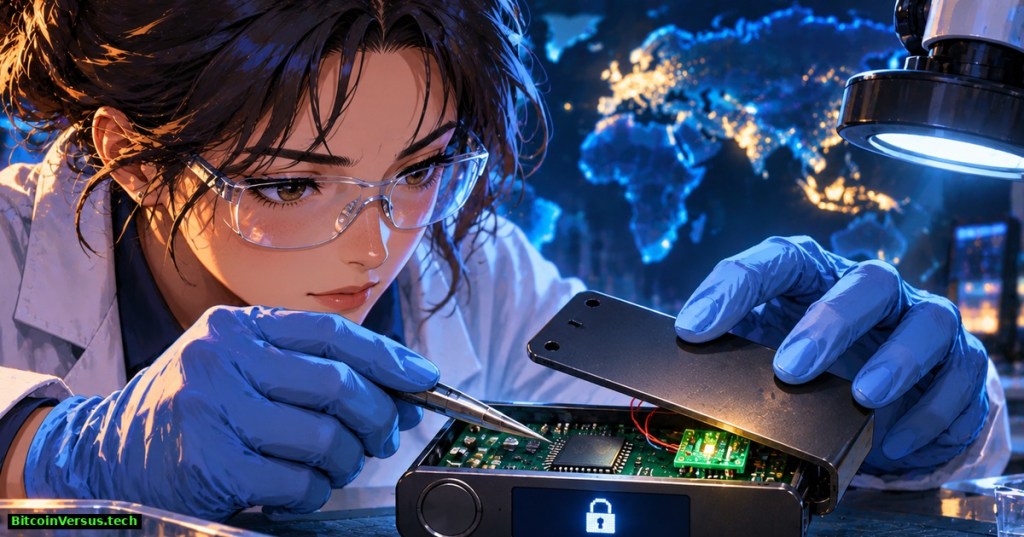
Ledger has confirmed physically modified cryptocurrency hardware wallets in Berlin, Germany, expanding an implant investigation beyond Southeast Asia. In a November 18, 2026 security update, the manufacturer said it is also examining reports of two suspected units in Dubai. Affected devices are genuine Ledger products altered after leaving the company’s control, with hidden components designed to capture a user’s wallet recovery phrase during setup. Ledger says its secure chips and operating system have not been compromised, and no confirmed case involved a device bought directly through ledger.com.
Original Ledger statement, November 18. The company reports confirmed cases in Berlin and ongoing investigation of two Dubai devices, without claiming every reseller device is affected.
What Ledger has confirmed so far
Ledger says it found a few modified devices in Berlin and recommends that anyone concerned about a device purchased there since January 2026 contact official support. Its investigation in the United Arab Emirates concerns two reports from Dubai; the company has not yet confirmed the same conclusions for both. It has also identified one affected Ledger Nano Gen5 among Southeast Asian reseller channels placed under review.
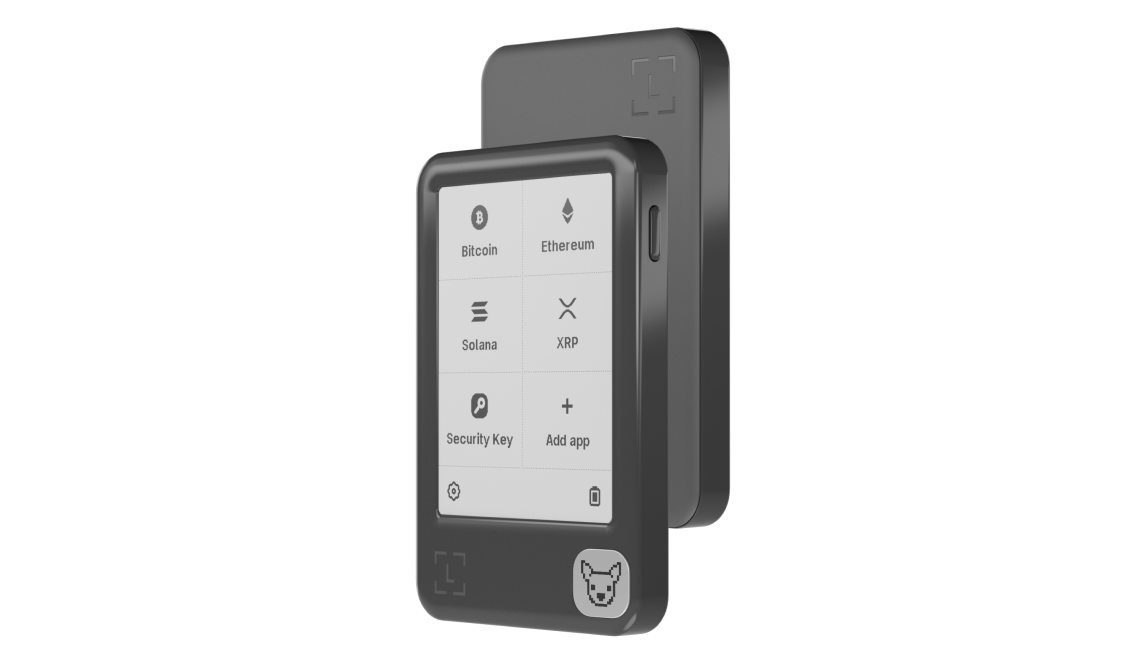
The discovery extends an October case involving third-party distribution. BitcoinVersus.tech previously covered the original Ledger implant investigation, when devices sold through a reseller were allegedly used to steal recovery information. Wednesday’s update is an additional geographic finding, not a newly disclosed compromise of Bitcoin’s network or cryptographic consensus.
How a physical implant defeats a cold wallet
Hardware wallets keep signing secrets isolated from ordinary connected computers. Yet a wallet still has to show words and transaction details to its owner. A malicious circuit installed inside the case can potentially intercept sensitive information during initial setup or wallet restoration. If an attacker obtains a wallet’s recovery phrase, they may recreate the wallet elsewhere and authorize transfers without stealing the original device.
Archival hardwear.io technical talk, June 2026: hardware researcher Joe Grand reverse-engineers an earlier Ledger Nano X implant. The demonstration shows a plausible attack class, not proof that the Berlin and Dubai devices use an identical circuit design.
Ledger says every device it has confirmed in the current incident carries the same broad type of modification targeting recovery phrases. The manufacturer’s statement does not publish a complete circuit diagram or independent forensic test results. Its Donjon security laboratory is continuing inspections, and resellers have been asked to pause sales where investigations are active.
What concerned owners should do
Ledger’s advice is not to open or modify a suspect wallet or use it to create or restore a wallet. People worried about an affected device should contact official Ledger Support. If funds may be at risk, the company advises moving them to a newly generated wallet on a device bought directly from ledger.com, without reusing the potentially exposed recovery phrase or passphrase. Such a move requires carefully confirming the new destination before transferring funds.
Ledger also offers a limited-time physical inspection, including X-ray examination, at its factory in Vierzon, France, arranged through an official support ticket. It warns that neither staff nor support agents will ever request the user’s 24-word recovery phrase. Unsolicited inspection offers, phone calls or support messages should not be treated as authentic.
The bigger lesson for Bitcoin hardware security
Physical supply-chain integrity matters even when a secure element is functioning as designed. Packaging, authorized sales channels, device provenance and trustworthy onboarding are part of the security model. A separate BitcoinVersus.tech article examined Trezor’s reseller changes, while earlier reporting on low-cost open-source wallets and hardware security modules highlights the trade-offs between openness, custody and physical trust.
The confirmed Berlin cases warrant caution, not a claim that every Ledger wallet is unsafe. Investigators still need to establish how the modified units reached stores, how many devices were affected, and which reported losses can be independently tied to the implants.
Primary source: Ledger’s November 18 investigation update. Additional reporting: Decrypt and Unchained, November 18–19, 2026. Confirmed findings and ongoing reports are distinguished throughout.
Editor’s Note: We volunteer daily to ensure the credibility of the information on this platform is Verifiably True. If you would like to support our work and help further secure the integrity of our research initiatives, please scan the QR code below to donate 5,000 sats.

Disclaimer: BitcoinVersus.tech provides independent educational journalism, not personalized cryptocurrency, financial, legal or digital-forensics advice. Consult official manufacturer guidance and qualified support before moving valuable assets or returning potentially affected hardware. Never reveal a recovery phrase to anyone.


Leave a Reply