
Canaan has published a broader open-source development kit for its Avalon Nano 3S home Bitcoin miner, including source files for the A3197S ASIC interface. The company’s GitHub repository identifies version 1.1.2-alpha as its first public preview, dated November 14, 2026. The release attracted new attention on November 20, but it is experimental software, not a newly launched mining machine or evidence of a faster ASIC.
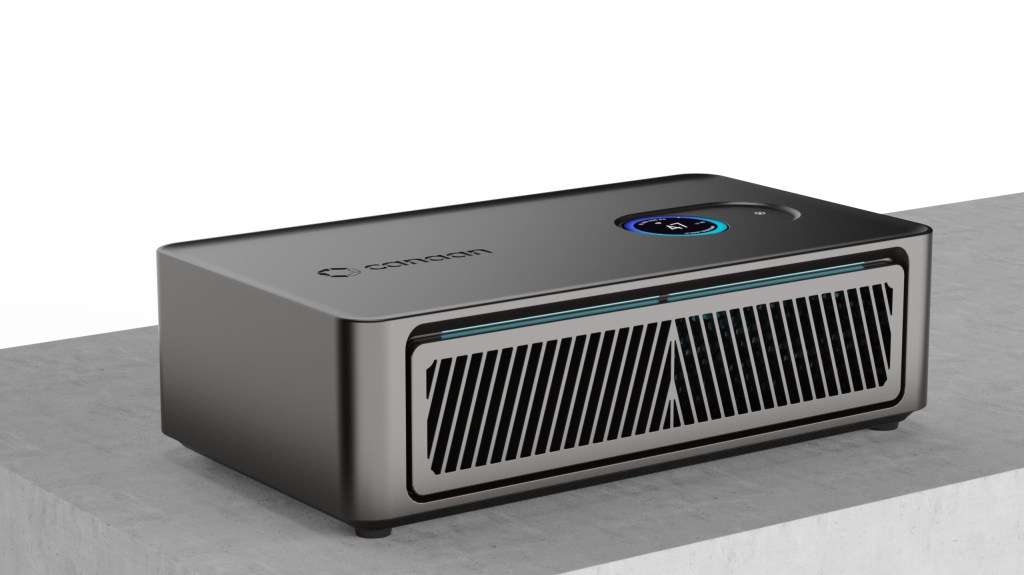
The Nano 3S was introduced in January 2025 with a stated 6 TH/s hashrate and up to 140 watts of power consumption. Canaan already maintained a narrower Nano 3S networking and firmware source tree. The new canaan_sdk_for_linux repository exposes substantially more of the system required to build and study its Linux-based mining software.
The Hobbyist Miner, April 24, 2026: hands-on Avalon Nano 3S setup, cooling and solo-mining demonstration. Historical hardware footage, not a test of Canaan’s November SDK.
From Linux bootloader to ASIC driver
Canaan describes a Yocto/OpenEmbedded build targeting the Kendryte K230 RISC-V controller. The boot chain runs through SPL, U-Boot 2025.07, OpenSBI 1.7 and Linux 6.6.36 before launching the mining applications. The documented build command produces both a full flash image and an over-the-air update package for the Nano 3S.
Four software processes divide the work: mm_miner supervises power, fans and updates; core_miner communicates with mining pools; asic_miner dispatches chip work and collects nonces; and miner_web provides a dashboard and authenticated management API. Source files under apps/miner/hal/asic/a3197s/ cover chip registers, frequency control and hardware telemetry. Developers can now inspect interfaces previously harder to audit.
Open code does not mean risk-free firmware
Canaan places its own code under the MIT license unless individual files state otherwise. Bundled Linux, U-Boot and other third-party components retain their separate licenses, detailed in the project’s NOTICE file. Opening the chip driver does not automatically publish the proprietary silicon design, reveal every hardware detail or make older Avalon models compatible.
The repository’s default build is expressly a debug image. Its README lists default root and web credentials; the documented development update-signing private key is also included in the repository. Firmware built without replacing those settings could be unsafe on an exposed network. A read-only mining statistics service also listens on TCP port 4028 without authentication.
Canaan’s official July 23, 2024 Avalon Nano 3 firmware-upgrade tutorial. The demonstration concerns an older model and does not validate the new Nano 3S SDK or provide instructions for flashing the alpha release.
What remains to be proved
Canaan documents A/B firmware slots, HTTPS management, a REST API and host-side test scripts. Its Nano 3S how-to also says Bluetooth Wi-Fi provisioning works, while full phone-app management remains in progress. Flashing the full image replaces factory firmware, and recovery may require reflashing. Owners should not treat a public build script as proof of safe installation on their particular hardware.
Independent miners already experiment with alternatives such as Mujina and WarpAxe. The 256 Foundation’s open-mining efforts illustrate why source availability matters, but software freedom and electrical safety are separate tests.
BitcoinVersus.Tech previously examined the Nano 3S hardware and power-supply troubleshooting. For developers, the next milestone is independently reproduced builds and measured pool-accepted shares with secure keys and configuration. No verified improvement in mining efficiency or profitability accompanies the current source release.
Primary sources and media
- Canaan official SDK repository and November 14 alpha preview
- Canaan SDK changelog, version 1.1.2-alpha
- Canaan SDK miner process architecture
- Canaan SDK security and signing-key documentation
- Canaan SDK Nano 3S phone-app and API limitations
- Canaan SDK license and third-party notices
- Canaan Nano 3S official product specifications
- The Hobbyist Miner, April 2026 Nano 3S review
- Canaan official July 2024 Avalon Nano 3 firmware tutorial
Editor’s Note: We volunteer daily to ensure the credibility of the information on this platform is Verifiably True. If you would like to support to help further secure the integrity of our research initiative, please scan the QR code below

For mobile scanning, open the article on another display and scan the QR code with a Bitcoin wallet. The voluntary donation amount is 5,000 sats. Verify the receiving address 3C9o19EH5HSiwEPyCTmEKzxhNCbo2X6TTb before sending.
BitcoinVersus.Tech publishes technology and financial journalism for informational purposes and does not provide financial, investment, or legal advice.


Leave a Reply