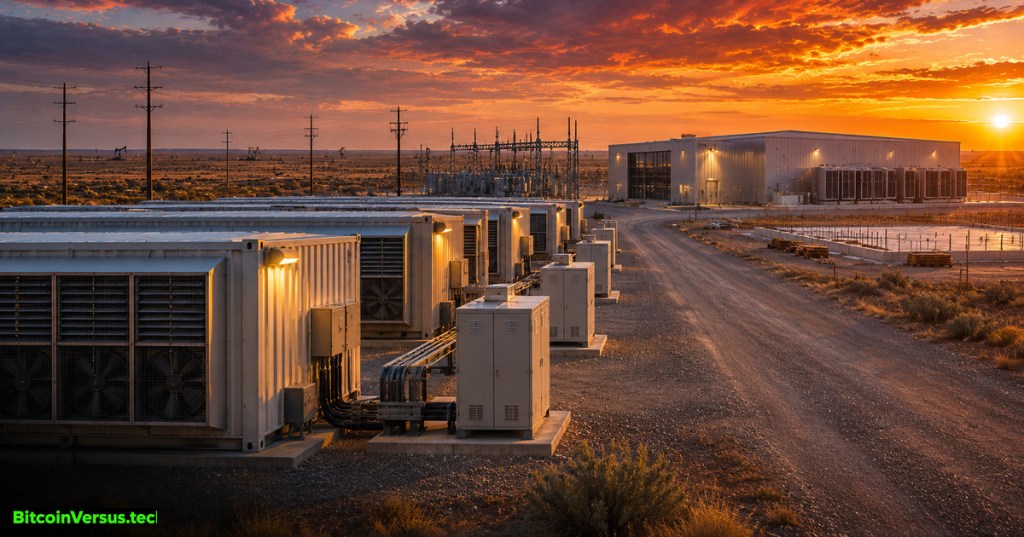
A Bitcoin mining site in Big Lake, Texas, could surrender 10 megawatts of operating power to an artificial-intelligence data center. On November 23, 2026, Chaince Digital said its Chaince Compute subsidiary had signed a binding joint-venture framework with Bitlakedata Inc. on November 19. The existing mine has 15 MW of grid-connected electricity in service. The proposed data center, however, is not operational, and its 25 MW target depends on several subsequent deals and utility approvals.
A 15 MW Bitcoin mine becomes the starting point
The project begins with something more valuable than a speculative land parcel: an established electrical connection. Bit Lake says 15 MW is in service in Big Lake, within AEP Texas’s utility territory. The announcement separates 5 MW available for a potential first phase from 10 MW currently devoted to Bitcoin mining. No mining hashrate, ASIC model, energy-efficiency rating, or monthly Bitcoin output was disclosed for the site. Consequently, the announced megawatts cannot be converted into a verified number of Bitcoin mined.
The 5 + 10 + 10 MW expansion path
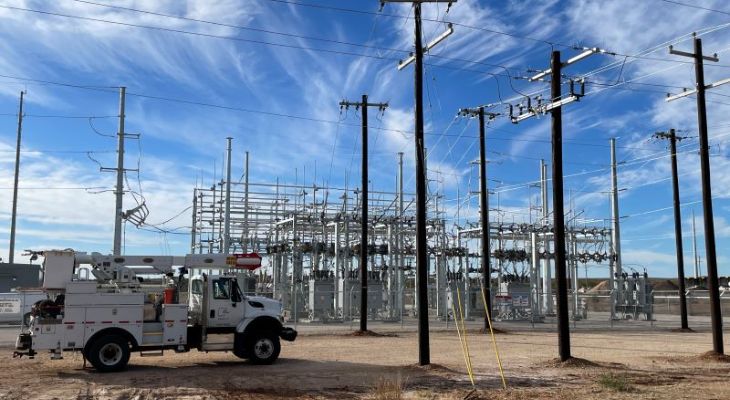
Under the framework, Phase 1 would use 5 MW subject to AEP Texas confirming in writing that a separate parcel can receive the service. The partners plan to acquire land near the mine and install a joint-venture meter using Bit Lake’s existing Peridot Power supply agreement. Existing service capacity does not automatically authorize delivery to a different parcel, so utility confirmation matters.
Phase 2 would purchase 10 MW of mining load from existing shareholders at a price still to be negotiated. Chaince says the transfer depends on securing an anchor AI tenant and a schedule; Bit Lake would then phase out the affected Bitcoin mining load. Phase 3 contemplates another 10 MW acquired from BitRealm Inc. only after AEP Texas approves a pending interconnection application. Together, 5 + 10 + 10 equals the 25 MW development ceiling, not 25 MW presently available for AI.
Who controls the proposed project?
Chaince Compute expects a 60% stake and Bit Lake 40%, with funding contributed in proportion to ownership as needed. Chaince would lead financing and tenant development. Both parties aim to form the venture and execute definitive documents within 90 days of November 19. The agreement allows either party to terminate if the venture or operating agreement is not completed within that period. A binding framework is therefore not equivalent to a completed acquisition, financed data center, or long-term customer contract.
Why mining power attracts AI developers
Bitcoin mines can operate with relatively simple industrial buildings and flexible electrical loads; turning equipment off generally stops hashing rather than corrupting a running customer database. AI hosting requires stronger assurances about uptime, cooling, network connectivity, fire protection, backup arrangements, and tenant security. A site with energized electrical capacity may shorten one development hurdle, but the equipment and contractual requirements are not interchangeable.
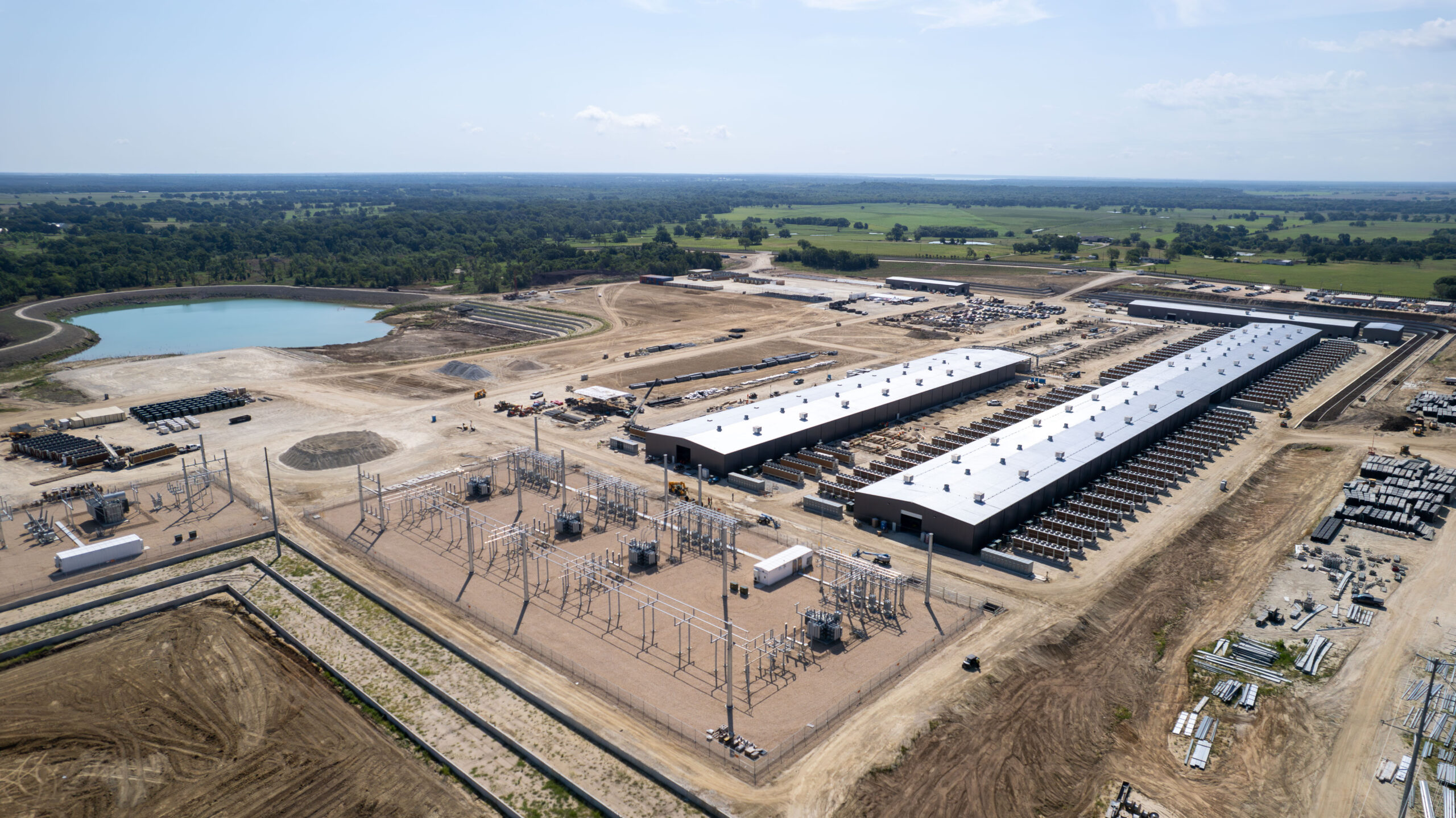
The changing value of a megawatt is already visible in Riot’s Corsicana AI hosting agreement and Soluna’s Bitcoin-to-AI expansion planning. Meanwhile, Bitdeer’s Fox Creek project illustrates how mining-first developments can confront lengthy infrastructure schedules.
What 10 MW means operationally
For scale, a continuous 10 MW electrical load would consume 240 megawatt-hours in 24 hours, or about 7,200 MWh in a 30-day month. Those values are arithmetic illustrations, not Bit Lake meter readings. Actual Bitcoin mining energy use varies with curtailment, equipment status, and tariff economics. Our electricity-cost guide distinguishes energy consumption from financial cost; the Canaan ERCOT review examines why grid-process milestones are not capacity guarantees.
What still has to happen
No completed land purchase, confirmed AI tenant, final construction budget, binding power-transfer price, or utility approval for all phases was announced. Nor did Chaince publish a commissioning date or equipment density. The immediate news is an agreement to investigate and develop a conversion pathway, not the retirement of 10 MW of miners. The first hard checkpoints are the separate-parcel service confirmation, definitive joint-venture documents, and any contracted tenant. Until those emerge, Big Lake remains a functioning Bitcoin mining operation facing a conditional AI transition.
Sources and image disclosures
- Chaince Digital, November 23, 2026: original joint-venture framework announcement, phases, ownership and contingencies.
- GlobeNewswire, November 23, 2026: full distribution of the company’s announcement.
- AEP Texas official utility photo and explanation: archival Matador substation, not the Big Lake site.
- Riot Platforms mining facilities: official Corsicana archive photograph, not the Bit Lake facility.
Visual disclosure: The 1200 × 630 featured cover is an original conceptual photorealistic illustration, not a photograph of the facility. It uses the existing BitcoinVersus.tech green-on-black watermark asset once at bottom-left. Neither credited body photograph shows Bit Lake’s property. No YouTube or social iframe is claimed to have passed a playback test.
We volunteer daily to ensure the credibility of the information on this platform is Verifiably True. If you would like to support to help further secure the integrity of our research initiative, please scan the QR code below.



Leave a Reply