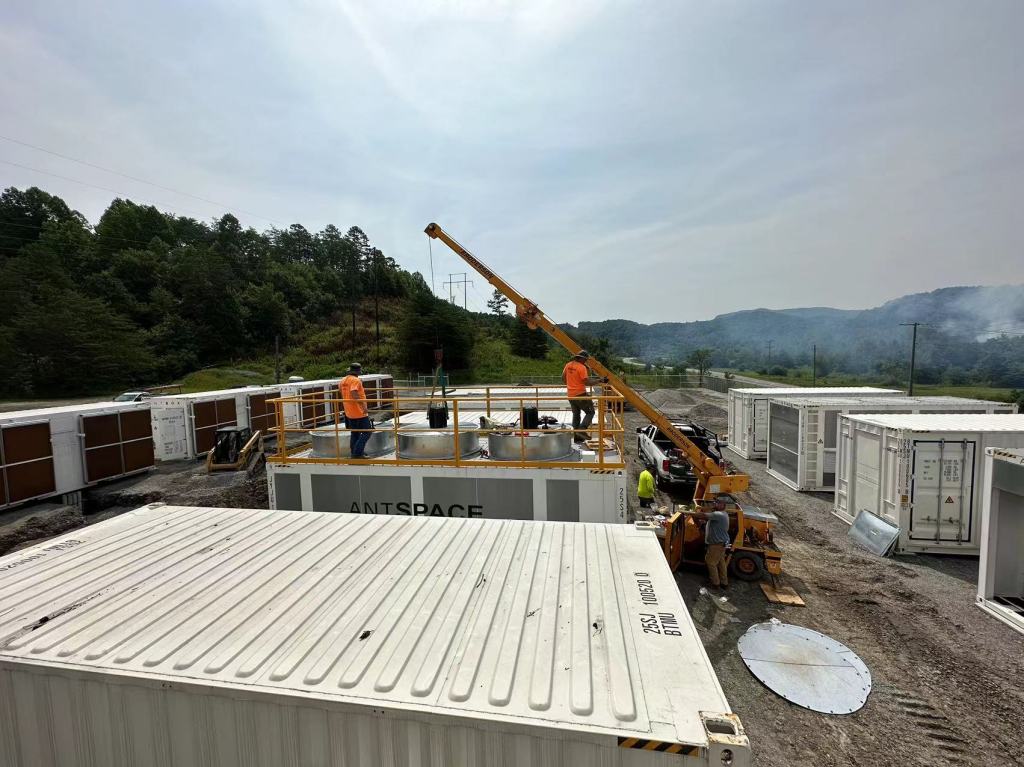
Abits Group is examining whether its Tennessee Bitcoin mining infrastructure can support a second type of computing business. In a November 24, 2026 update, the company identified approximately 24 MW of available electrical capacity across its Duff and Memphis operations, alongside contractual rights to increase the total to 34 MW.
The announcement describes a business evaluation, not the launch of an AI computing service. Abits explicitly reports that it has not executed a definitive AI or high-performance computing (HPC) hosting agreement. The capacity figures also appeared in its November 5 strategy update, making the latest statement a reaffirmation rather than an announcement of newly energized megawatts.
A 10 MW expansion opportunity
Increasing aggregate electrical capacity from 24 MW to 34 MW would represent a 41.7% expansion. At full continuous load, the additional 10 MW could consume 240 MWh per day, equivalent to 87.6 GWh over a 365-day year. Actual energy consumption would depend on equipment deployment, utilization and interruptions. The figures are illustrative calculations rather than utility-meter measurements.
Existing electrical assets may reduce some development requirements compared with an entirely new site. However, power rights must translate into usable capacity at the required location. Transformers, switchgear, distribution equipment, utility approvals and construction schedules can all affect when additional load becomes available.
Liquid-cooled Bitcoin mining is not the same as AI hosting
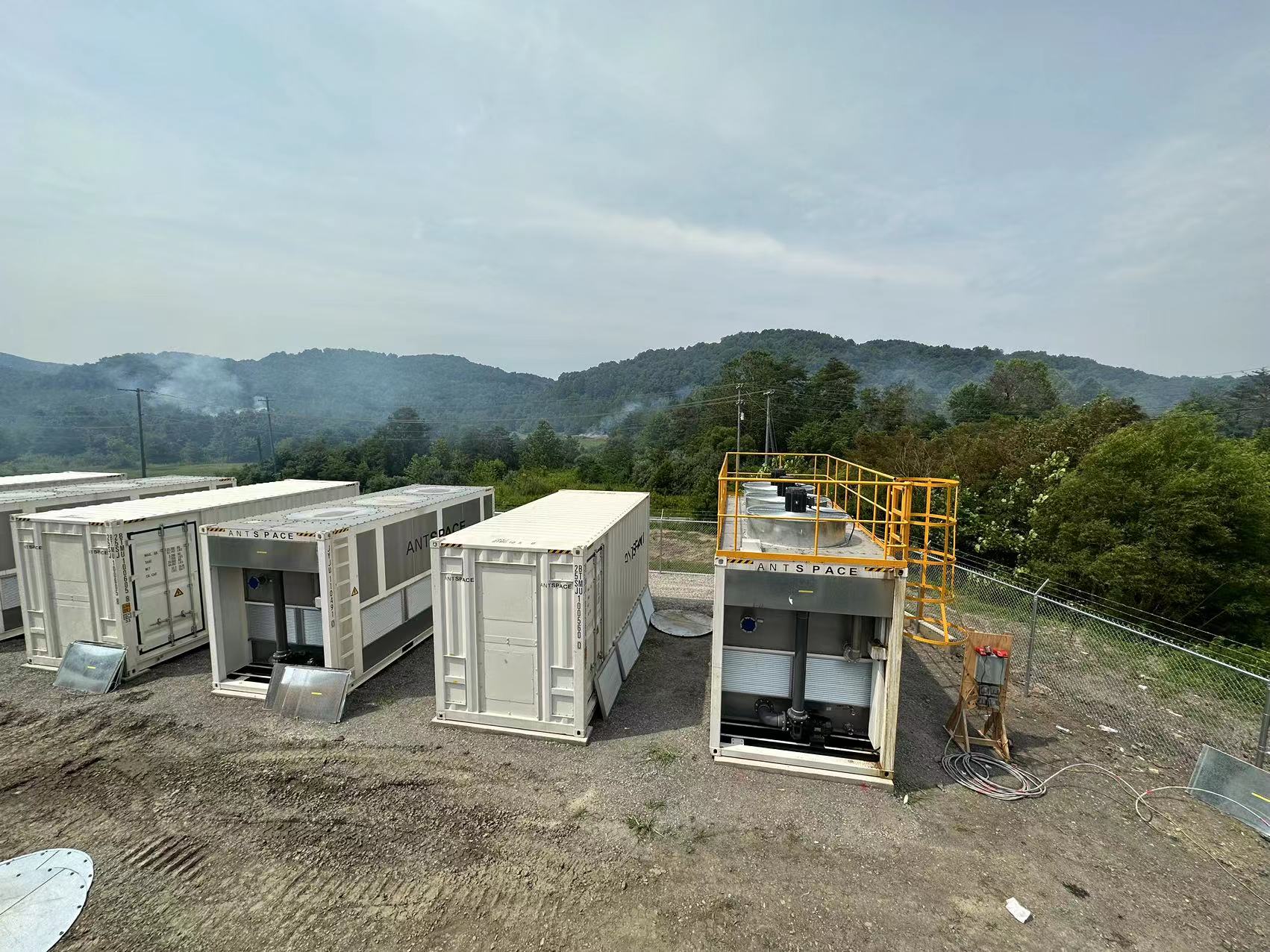
Abits has experience with liquid-cooled mining systems. Its 2023 development summary describes an order for hydro-cooled Antminer hardware and six supporting container systems. Such installations circulate coolant through specialized machines and reject heat through external cooling equipment.
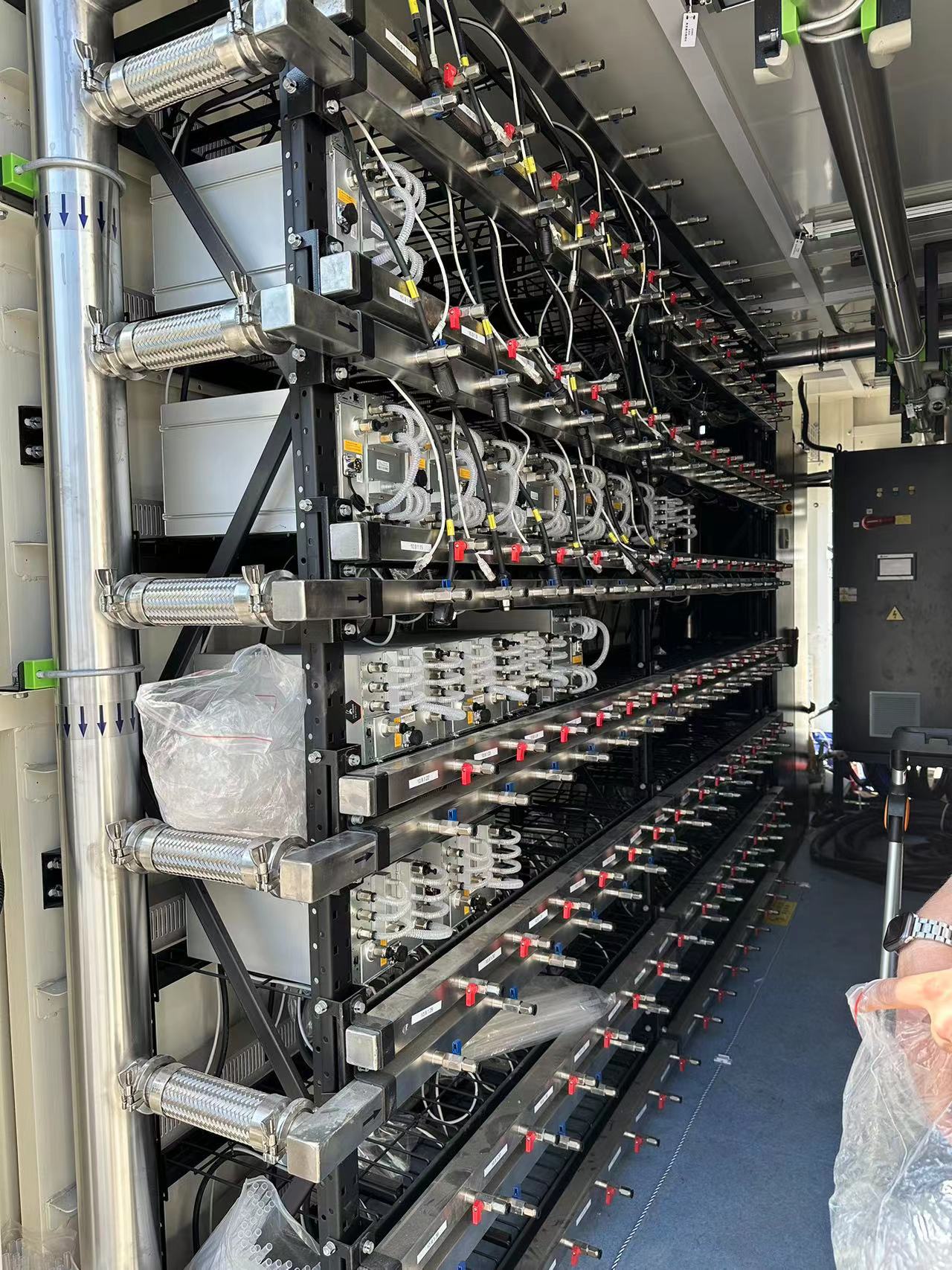
GPU clusters also benefit from liquid cooling, but their requirements extend beyond removing heat. Distributed training can demand high-bandwidth communication among accelerators, while customer service agreements may require redundant network connections, electrical backup and continuous monitoring. Mining containers and their cooling loops cannot automatically accommodate those requirements without engineering validation.
For illustration, a facility drawing 10 MW at a power usage effectiveness of 1.20 could deliver approximately 8.33 MW to computing equipment, with the balance supporting facility systems. Abits has not disclosed a measured AI facility PUE or a committed accelerator inventory.
Hosting customers instead of buying processors
The November 5 update describes a potential business model in which customers provide their own computing equipment. A hosting provider may thereby avoid purchasing every accelerator directly, although network infrastructure, electrical upgrades, cooling modifications and contractual service obligations can still require substantial capital.
The company’s earlier operations provide a useful baseline. Its April 2026 annual-results announcement describes continued investment in Bitcoin mining equipment. AI hosting would introduce different customers, operating requirements and financial risks, rather than merely changing the software executed by existing ASICs.
The next measurable milestone
Comparable developments include the proposed Big Lake conversion, Bitdeer’s electrical equipment delays, CleanSpark’s Georgia expansion evaluation and Applied Digital’s delivered 25 MW data hall. For Abits, a signed hosting agreement, documented facility specifications and commissioned computing infrastructure would offer stronger evidence than an announced capacity option alone.
Cover photograph: Abits Group’s official mining overview, showing historical site construction rather than completed AI infrastructure.
We volunteer daily to ensure the credibility of the information on this platform is Verifiably True. If you would like to support to help further secure the integrity of our research initiative, please scan the QR code below.



Leave a Reply