Replacing a laptop processor often means replacing the motherboard or purchasing an entirely new machine. Berlin-based MNT Research is pursuing another approach with its Reform Next, a compact Linux laptop built around interchangeable processor modules and publicly documented electronics. Its first production batch of 16 Hyper laptops left the company for distributor Crowd Supply in October, following two September test shipments. Notebookcheck reported the milestone on November 17, 2026.
MNT’s October production update projected another batch of 25 units in November. That plan should not be confused with confirmed customer deliveries. The company anticipates direct retail availability in 2027 after fulfilling crowdfunding orders, but has not committed to a specific month.
A different approach to the motherboard
The standard processor module integrates Rockchip’s RK3588 system-on-chip. Its eight CPU cores combine four Cortex-A76 performance cores and four Cortex-A55 efficiency cores. An integrated Mali-G610 graphics processor handles rendering with support from Linux graphics drivers. The module is available with 16 GB or 32 GB of memory, according to MNT’s technical introduction.
Unlike a conventional socketed desktop processor, the replaceable assembly includes a processor and its associated electronics. A compatible upgrade must satisfy mechanical, electrical and firmware requirements. The manufacturer has also been developing Qualcomm-based Quasar modules, but compatibility with every future processor is not guaranteed.
Repairability extends beyond computing
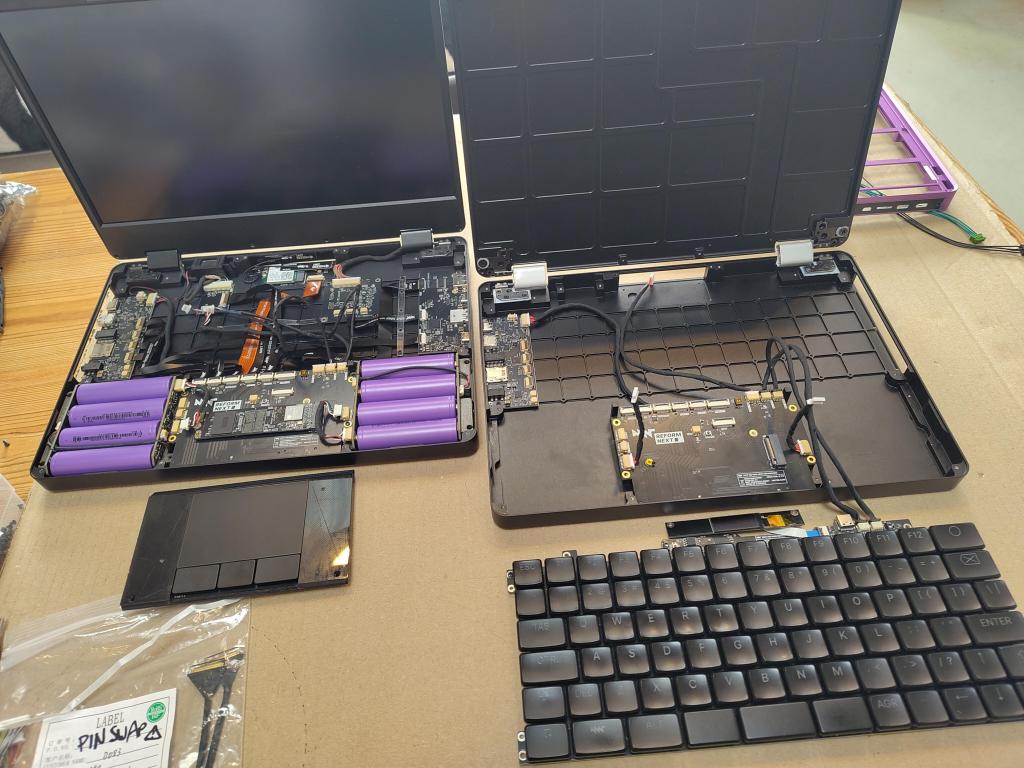
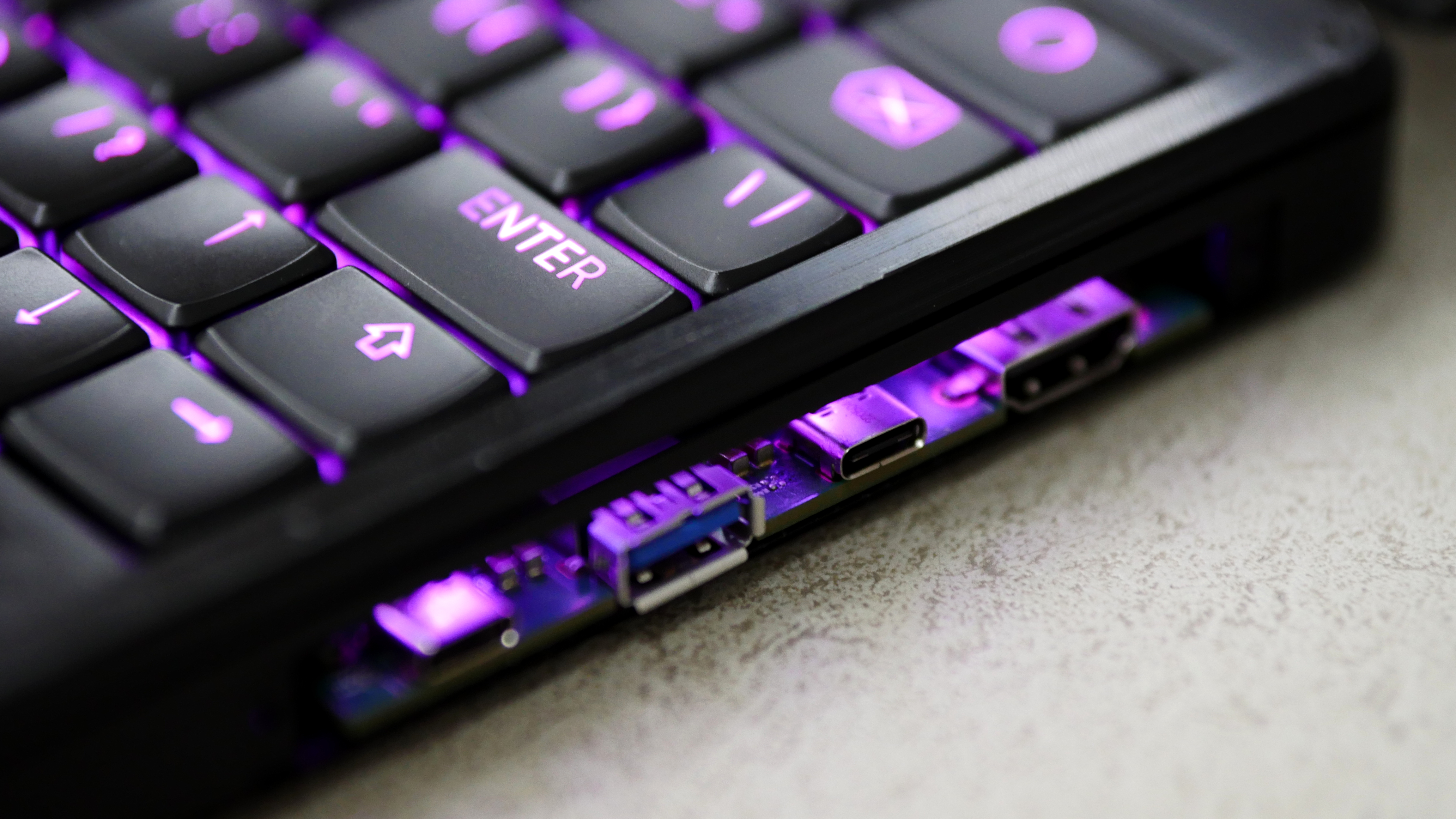
The system uses several connected circuit boards instead of concentrating every connector on a single motherboard. A damaged port can potentially be addressed by replacing the corresponding board rather than discarding a functional processor assembly. Public KiCad design files and manuals, available through MNT’s documentation portal, help owners understand and modify supported components.
The 12.5-inch display uses a 1920 × 1080 resolution. A mechanical keyboard, trackpad and passively cooled enclosure distinguish the product from many mainstream notebooks. Passive cooling removes fan noise and fan-maintenance requirements, although heat dissipation still limits sustained processor workloads.
Modularity does not eliminate supply-chain risk
The project originally targeted deliveries in 2025. Component procurement and firmware work extended the schedule. According to Notebookcheck, rising storage costs also led MNT to reduce promised SSD capacities, while a revised mainboard added a full-length M.2 storage slot. The base configuration was listed at $1,249 with 16 GB of RAM and 256 GB of eMMC storage in November; pricing and fulfillment dates remain subject to change.
The engineering value lies in separating the useful life of individual subsystems. Related BitcoinVersus.Tech coverage examines modular 6502 computers, x86 software compatibility on ARM Linux, Linux on Apple Silicon and mainstream notebook hardware. An open design does not automatically make a computer inexpensive or fast. Long-term success will depend on continued component availability, documentation quality and software maintenance.
Cover: MNT Research, April 2026 development update. The photograph shows assembly-stage Reform Next laptops, rather than a finished retail review unit.
We volunteer daily to ensure the credibility of the information on this platform is Verifiably True. If you would like to support to help further secure the integrity of our research initiative, please scan the QR code below.



Leave a Reply