
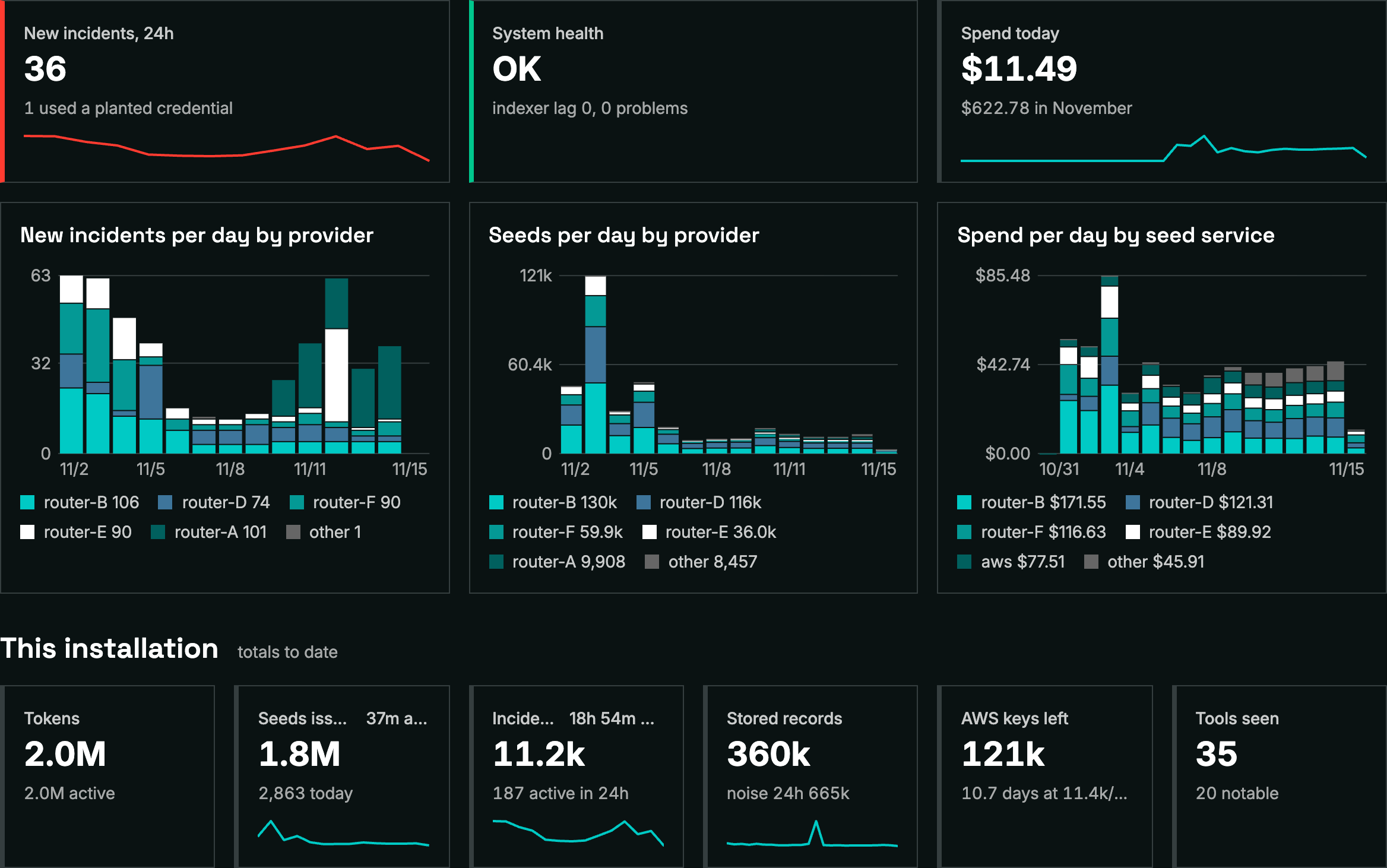
Cybersecurity researchers at Dragos submitted approximately two million test prompts to artificial intelligence services between July and November 2026, discovering evidence of compromised inference providers and failures to honor customer privacy settings. The November 19 investigation was followed by an OpenRouter announcement on November 22 that three providers had been removed from its platform and 125 endpoints had lost eligibility for zero data retention.
Following the information beyond the model
The researchers used canary tokens, unique test links and credentials whose subsequent use can reveal that information has left its intended environment. Each token was associated with a particular request. A later access provided evidence of exposure, although the event did not necessarily establish which intermediary was responsible or whether an actual customer’s information was stolen. Dragos identified evidence of compromise at three hosting providers.
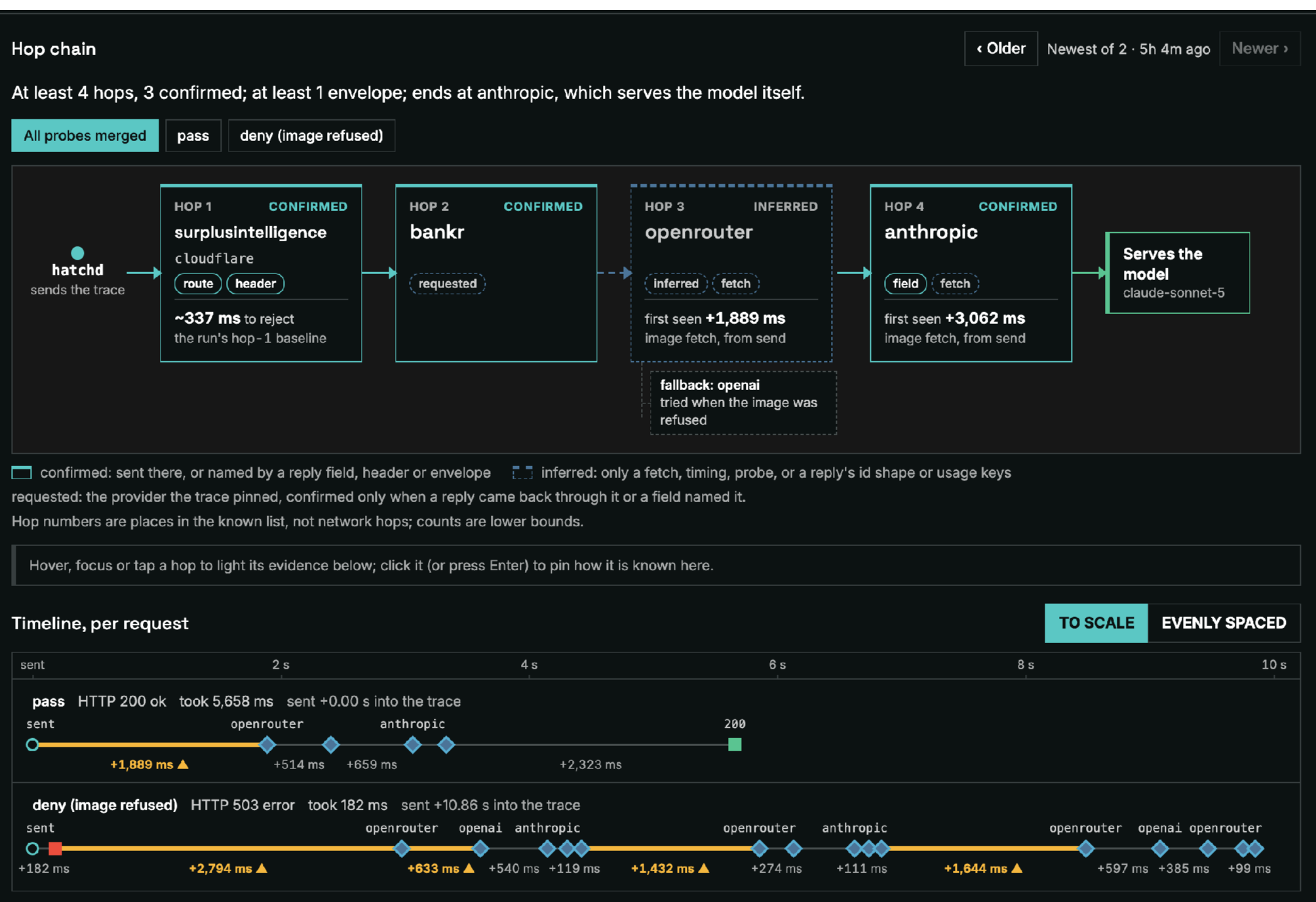
An AI router connects applications to multiple inference services through a common programming interface. It can simplify billing, model selection and availability management. However, the company operating the interface may not operate the server that executes the model. Requests can travel through subcontractors and additional routing layers. Encryption in transit protects a connection against many outside observers, but it does not prevent an authorized endpoint from reading the information necessary to process the request.
Zero data retention is a commitment about how information is handled, not a guarantee that no computer ever processes it. Organizations evaluating such commitments need to understand the entire processing chain, including diagnostic logging, content filtering, subcontractors and incident response. A provider’s advertised model name alone cannot identify every organization receiving a prompt. Our coverage of AI workload routing and agent inference traffic illustrates the operational benefits of these systems.
What the providers said
On November 24, MiniMax stated that its security monitoring had extracted and logged URLs from certain forwarded requests, including requests carrying zero-retention settings. The company attributed subsequent automated access to its threat inspection process, said it had disabled the mechanism and deleted the affected URLs, and reported finding no evidence of third-party disclosure of full prompts or responses in the requests it examined. Reuters reported November 26 that the researcher identified MiniMax in the previously anonymized investigation and described additional activity that the company’s statement did not explain.
OpenRouter said its investigation did not establish a breach of its own systems. Its removal of 125 endpoints included precautionary removals, so the figure must not be interpreted as 125 confirmed compromised systems. The company also announced additional testing of downstream routing and data-handling commitments. The total number of affected customers and the extent of actual customer data exposure remain uncertain.
Protecting sensitive inference workloads
For developers, a practical response begins with keeping unnecessary credentials, confidential documents and production secrets outside model inputs. Restricting downstream providers, maintaining short-lived credentials, reviewing vendor terms and auditing unexpected access can reduce exposure. Our reporting on hardware security modules and local AI inference discusses complementary ways to control sensitive computing resources. The central lesson is that an inference service’s security depends on its complete operating environment, not merely the capabilities or reputation of the model it serves.
Featured cover: conceptual editorial illustration.
We volunteer daily to ensure the credibility of the information on this platform is Verifiably True. If you would like to support to help further secure the integrity of our research initiative, please scan the QR code below.

BitcoinVersus.tech is not a financial advisor. This media platform reports on financial subjects purely for informational purposes.


Leave a Reply