
JetBrains released Kotlin 2.5.0-RC2 on November 25, 2026, advancing the programming language used for Android applications, server software and multiplatform development. The release notes describe a compiler that detects certain discarded function results by default, alongside changes intended to make data extraction and cross-platform compilation more predictable. RC2 remains a prerelease rather than a final production release.
When a successful function call hides a bug
A function can complete successfully without producing the effect its caller intended. For example, a collection operation may construct a new collection rather than modify the original one. If the caller discards the returned object, subsequent operations continue using the unchanged collection. A compiler warning can identify such mistakes before the program runs, provided the function falls within the checker’s applicable rules. Kotlin provides configurable checks and annotations, described in its return-value documentation, to distinguish results that should be consumed from those that may legitimately be ignored.
Mozilla provides a practical example. A Firefox development issue documents errors discovered while evaluating the earlier Kotlin 2.5 release candidate. Some Android tests called collection membership functions without asserting the returned Boolean. Another test added an element using an operation that returned a new array, but discarded that array. The compiler diagnostics exposed defects in the tests themselves, rather than demonstrating that every affected application contained a user-visible bug. Mozilla subsequently documented corrective commits. The example illustrates how compiler diagnostics complement static analysis tools and automated testing.
Extracting properties by name
Kotlin also permits developers to extract several properties from an object using their names rather than relying on declaration order. A positional expression such as val (a, b) = point follows component ordering. The new syntax can explicitly select properties, for example (val x, val y) = point for an object with those named properties. If two properties have identical types, accidental positional swaps may otherwise evade type checking. The traditional syntax retains its positional interpretation under the release candidate’s default mode. JetBrains explains the migration strategy in its language-design article.
Keeping shared code portable
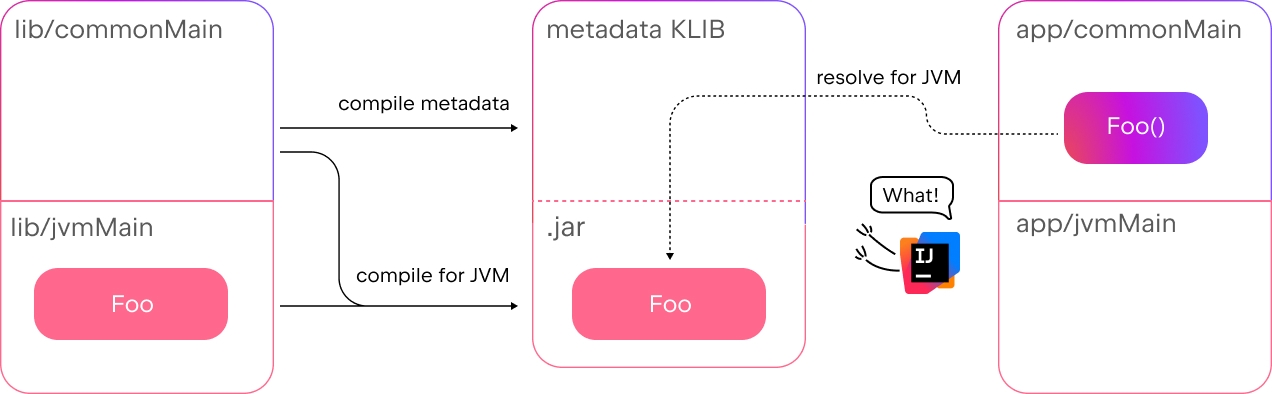
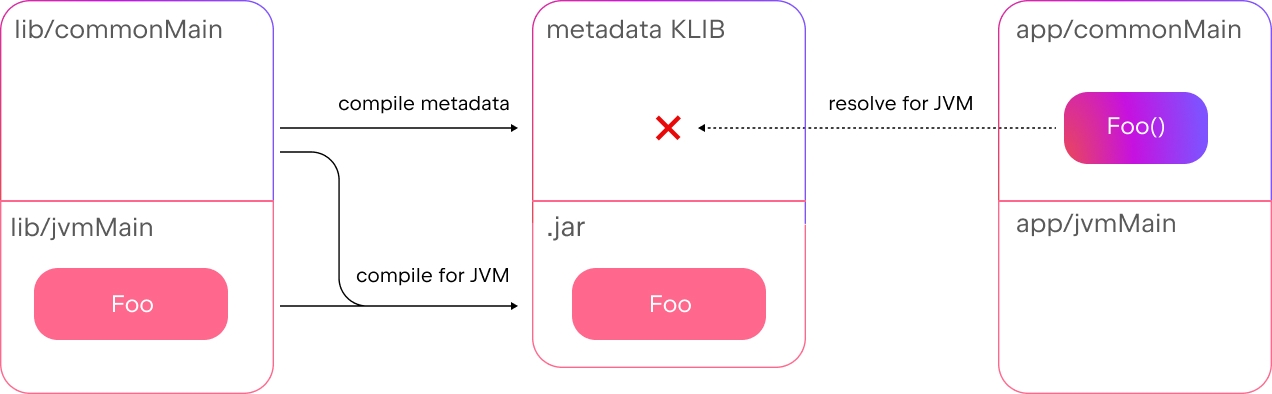
Another experimental feature separates common-source compilation from platform-specific compilation. Previously, a shared module could sometimes resolve a declaration available only in a platform artifact even when the development environment rejected the reference. The proposed approach enforces the common dependency’s metadata boundary more consistently, as explained in JetBrains’ technical description. It remains opt-in.
The release candidate also supports targeting Java 28 bytecode, while Swift export moves into beta. Readers can explore the underlying execution model in our Java and JVM introduction, compare interoperability in our Swift coverage, or review the history of programming languages. The next milestone is the final Kotlin 2.5 release. Teams evaluating RC2 should test dependencies and review newly surfaced warnings rather than automatically suppressing them. The syntax examples above illustrate documented behavior; they are not independently executed compiler tests.
Featured cover: generated editorial illustration, not an actual compiler screenshot.
We volunteer daily to ensure the credibility of the information on this platform is Verifiably True. If you would like to support to help further secure the integrity of our research initiative, please scan the QR code below.

BitcoinVersus.tech is not a financial advisor. This media platform reports on financial subjects purely for informational purposes.


Leave a Reply