
BTCPay Server merged support for Core Lightning’s built-in REST interface on November 24, 2026, enabling merchants to connect a payment processor to a Lightning node using credentials with restricted permissions. The merged development change addresses a practical security question: how much authority should a checkout application possess over a node’s funds? The distinction matters particularly after the earlier BTCPay hot-wallet security warning. The new capability has been merged into the development branch; a merge alone does not establish availability in every stable installation.
Separate receiving from spending
A Lightning invoice communicates payment information to a payer. A merchant’s checkout service needs to generate invoices and determine whether they have been settled. It does not necessarily need unrestricted authority to originate payments. Core Lightning’s REST service, available through clnrest, accepts runes: authorization credentials that can restrict which commands a client may execute. Bitcoin Optech’s November 27 newsletter explains that a restricted connection can create and monitor invoices without permission to send payments. The integration supports Core Lightning 24.11 or later, and existing direct RPC connections remain supported.
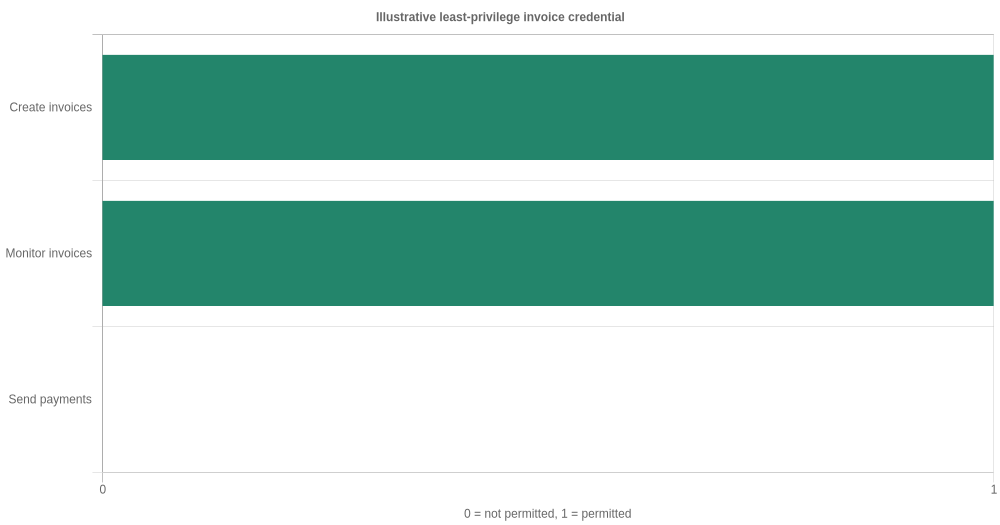
Separating permission scopes limits the actions available through a compromised checkout credential. It does not make a Lightning node immune to compromise. Channel liquidity, backups, host security and software maintenance remain necessary. Our coverage of LND’s settled-payment counter bug illustrates why reliable invoice records matter even when funds have already moved.
Certificate validation changes
The merged dependency update also changes HTTPS certificate handling. Three older connection-string options for insecure connections and custom certificate configuration are accepted but ignored. Operators connecting to an external node must ensure its certificate is trusted by the environment running BTCPay. For a containerized deployment, the relevant trust configuration may reside inside the container rather than on the administrator’s workstation. Bundled LND nodes using internal HTTP are unaffected by the specific certificate change, according to the pull request.
Payment status must reflect settlement
Bitcoin Optech also reports two merged fixes concerning Lightning payouts, including cases where an HTTP response indicates successful transport even though the payment application reports failure. A successful network request is not proof that money moved. The fixes preserve known payment errors and use subsequent payment lookups to distinguish confirmed settlement from ambiguous outcomes. Such distinctions complement the recovery considerations covered in our Lightning Dev Kit security report.
For merchants, the next step is to consult the official setup documentation, verify the installed release includes the integration, and test restricted authorization and payment reconciliation in a controlled environment before production deployment. As our Eclair availability coverage demonstrates, security also depends on operational reliability. Reduced permissions and accurate settlement records are complementary controls, not guarantees against every failure.
We volunteer daily to ensure the credibility of the information on this platform is Verifiably True. If you would like to support to help further secure the integrity of our research initiative, please scan the QR code below.



Leave a Reply