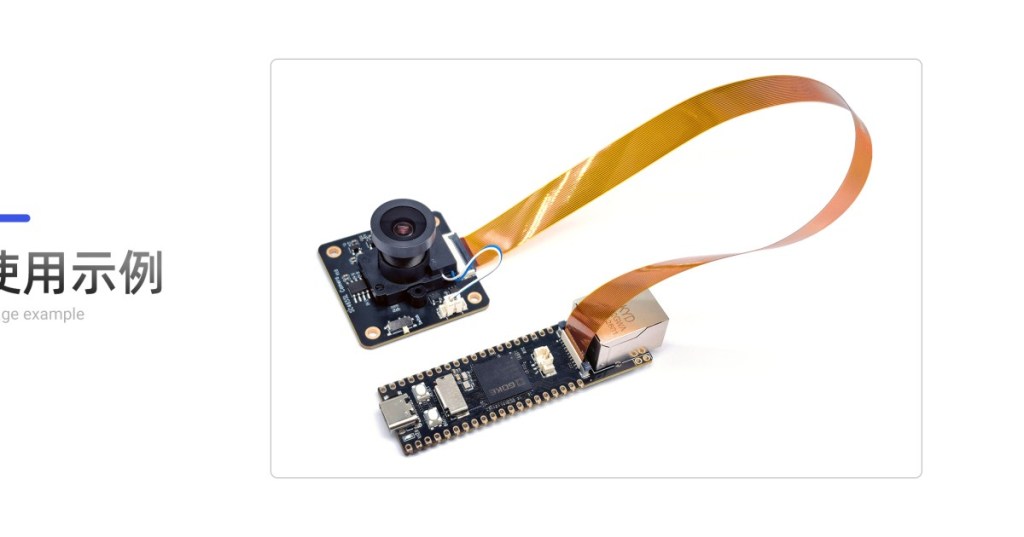
A November 27, 2026 CNX Software report highlights the ShiMetaPi Pico-G1, an embedded Linux board built around the GOKE GK7206 camera system-on-chip. The processor combines application cores, dedicated imaging circuitry and a neural-network accelerator within a compact platform. Rather than establishing a new silicon launch date, the report documents a hardware option for developers building local computer-vision applications. The architecture complements the specialized edge processing covered in our Ambarella edge AI coverage.
Heterogeneous processing on a camera board
ShiMetaPi’s official product documentation identifies two Cortex-A7 cores operating at up to 1 GHz, a RISC-V coprocessor and a neural processing unit rated at 1 TOPS. The GK7206V11A and GK7206V12A configurations provide 128 MB and 256 MB of memory, respectively. These are hardware specifications, not measured inference performance. As our reporting on Synaptics’ integrated-memory microcontrollers explains, available memory constrains the models and software that can execute locally.
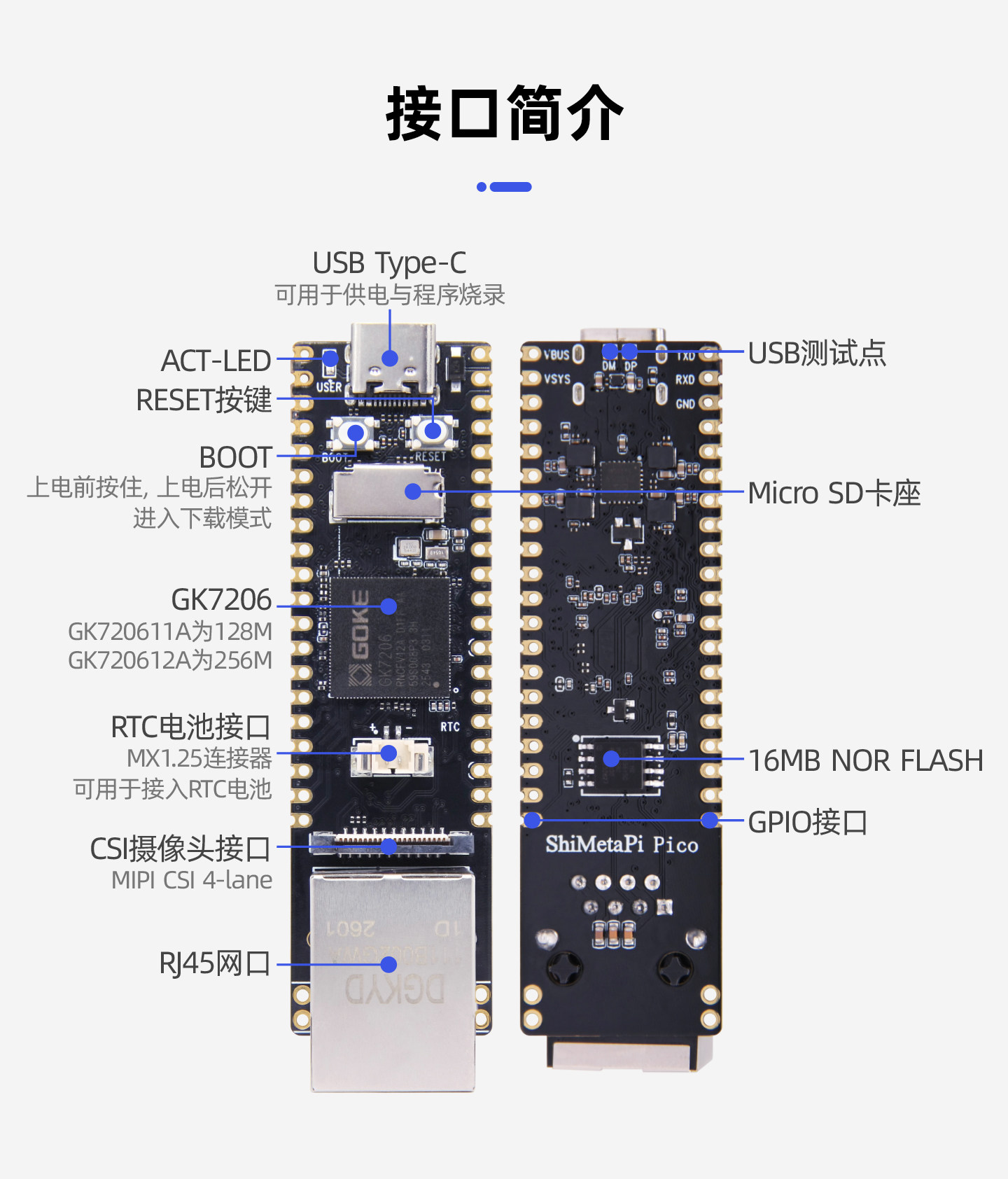
Dedicated imaging circuitry handles operations such as noise reduction and wide dynamic range processing. Separate video encoding hardware supports H.264 and H.265. Such specialization allows general-purpose CPU cores to manage applications without performing every imaging calculation in software. Our Metalenz imaging coverage examines a different point in the vision pipeline, where optical architecture affects the information available to downstream computation.
Why a 4K camera needs local processing
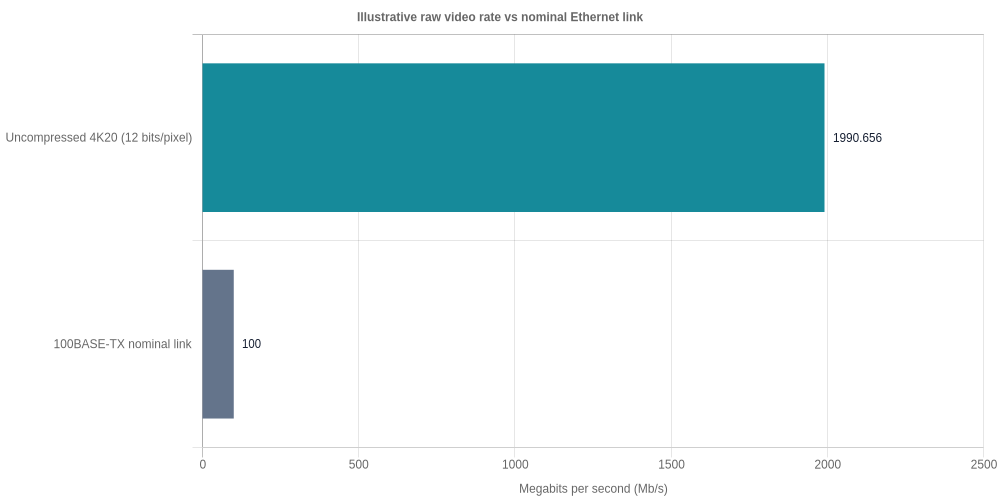
The documented image processor input limit is 3840 × 2160 at 20 frames per second. As an illustrative calculation, tightly packed uncompressed samples at an assumed 12 bits per pixel would represent 1,990.656 Mb/s before protocol overhead: 3840 × 2160 × 20 × 12. The board’s 100 Mb/s Ethernet connection has a nominal link rate approximately one twentieth of that calculated input stream. The sample depth is an analytical assumption, not a published measurement of the camera output.
Compression and local event detection can reduce the information that must cross the network. Actual bandwidth depends on codec settings, scene complexity and the application. The manufacturer provides a regional motion-detection example that uses camera capture and browser-side image comparison without requiring the NPU.
Software support remains a deployment constraint
The published SDK repository includes development resources, while CNX Software reports a Linux 5.10 and U-Boot 2020.01 foundation. The Linux kernel maintenance schedule lists December 2026 as the projected end of upstream long-term support for version 5.10. Vendor maintenance may differ. Developers should establish their update policy and test workload latency, memory use and network behavior before deployment. As with the GigaDevice industrial processor family, hardware integration is valuable only when software and system-level requirements are satisfied.
Featured image: ShiMetaPi manufacturer camera integration illustration, cropped.
We volunteer daily to ensure the credibility of the information on this platform is Verifiably True. If you would like to support to help further secure the integrity of our research initiative, please scan the QR code below.



Leave a Reply