
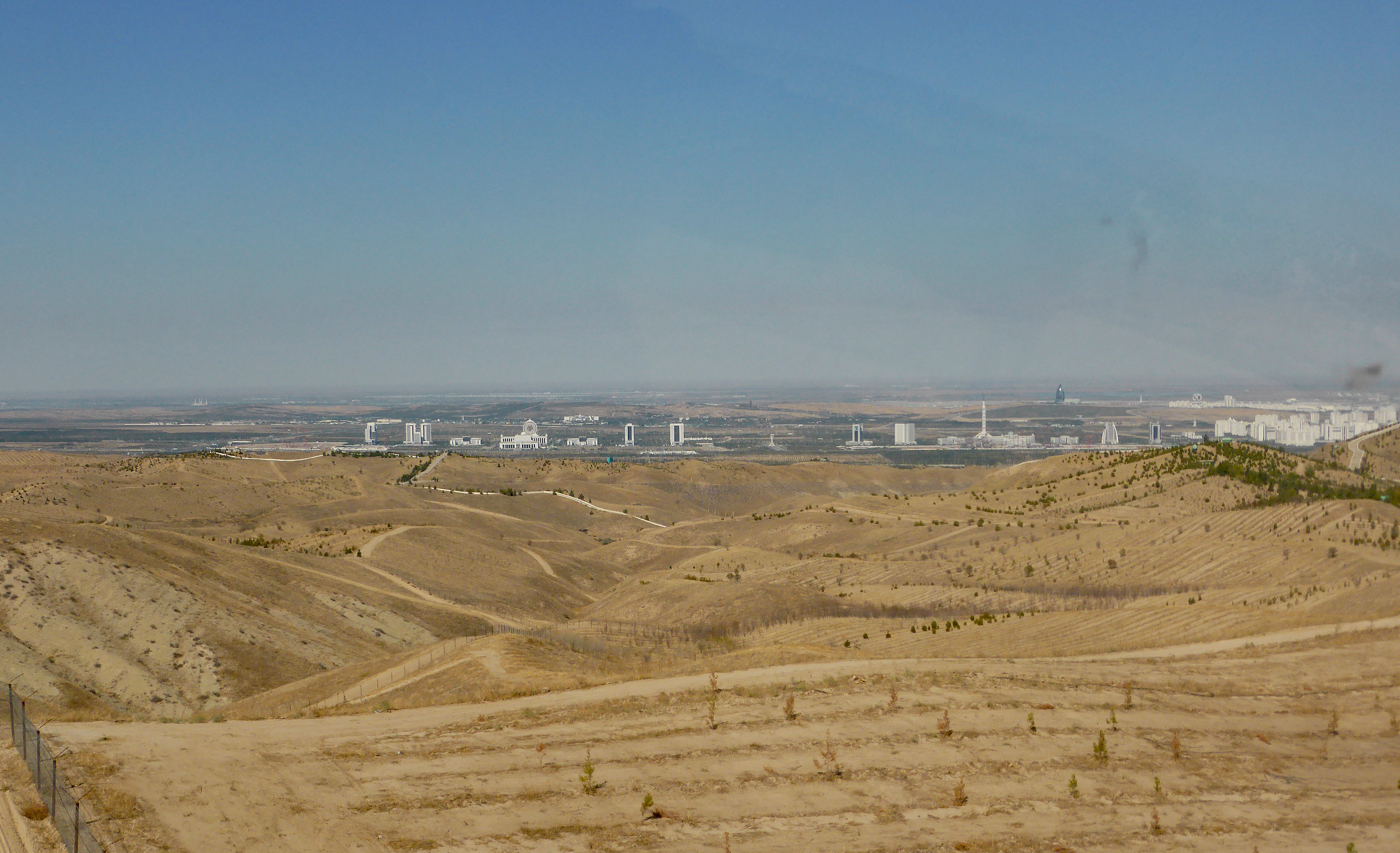
Turkmenistan is preparing telecommunications infrastructure for licensed cryptocurrency businesses and mining operations. In an October 2, 2026 announcement, the Ministry of Communications described fiber upgrades, additional backbone capacity and modern routing equipment as components of the country’s 2026–2030 virtual-asset roadmap. The announcement followed the January 1 commencement of legislation permitting registered mining and licensed exchanges, reported by Associated Press. Unlike the individual mining permits described in our Uzbekistan infrastructure report, the ministry’s statement describes network modernization rather than an identified operational Bitcoin facility.
Why mining depends on network reliability
Bitcoin ASICs perform repeated SHA-256 calculations locally. A mining pool ordinarily distributes work templates and receives submitted shares through a network connection. Computational throughput is not directly proportional to internet bandwidth: the machines perform enormous numbers of calculations while exchanging relatively compact messages. Network interruptions nevertheless prevent timely job updates and share submission. Delayed submissions can become stale when the underlying block changes, potentially reducing credited work. Redundant communications, monitored latency and stable routing can improve continuity. The ministry has identified mining pools among the intended users of its communications upgrades but has not disclosed measured pool latency, deployed link capacity or operating Bitcoin hashrate.
Electricity and computing capacity remain separate constraints
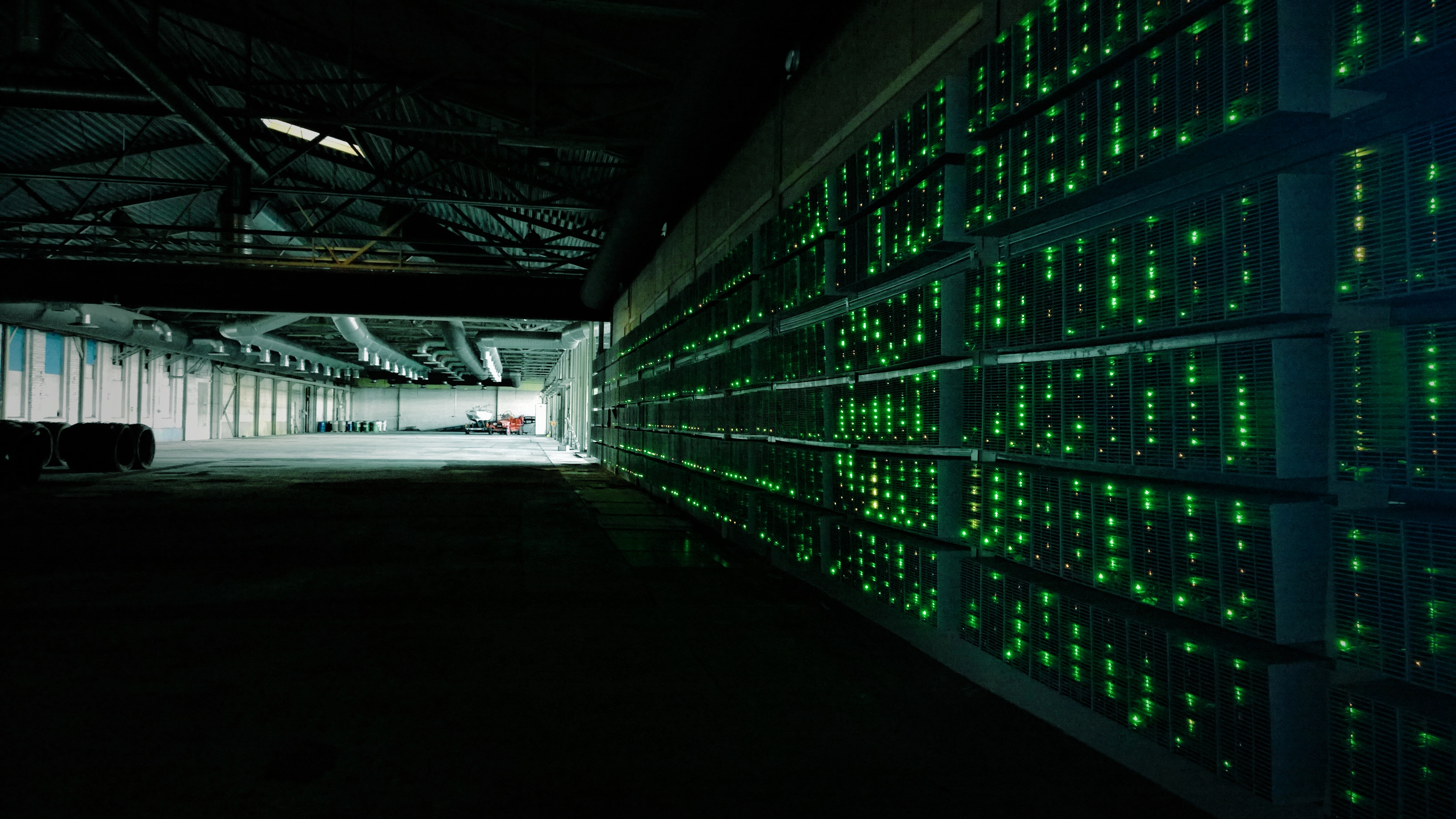
The ministry assigns energy tariff policy for industrial mining to the Ministry of Energy. Consider a hypothetical mining fleet receiving 5 MW directly at its ASIC power inputs and operating at 10 J/TH. The resulting computational rate would be 500 PH/s, with 120 MWh of daily equipment consumption under uninterrupted operation. Networking, electrical distribution and cooling add overhead. The example does not describe an announced Turkmenistan installation. Actual profitability depends on energy prices, equipment efficiency, mining difficulty, capital expenditure and operating availability. Our Abu Dhabi mining guidance coverage examines comparable distinctions between regulatory approval and physical deployment.
Security and oversight
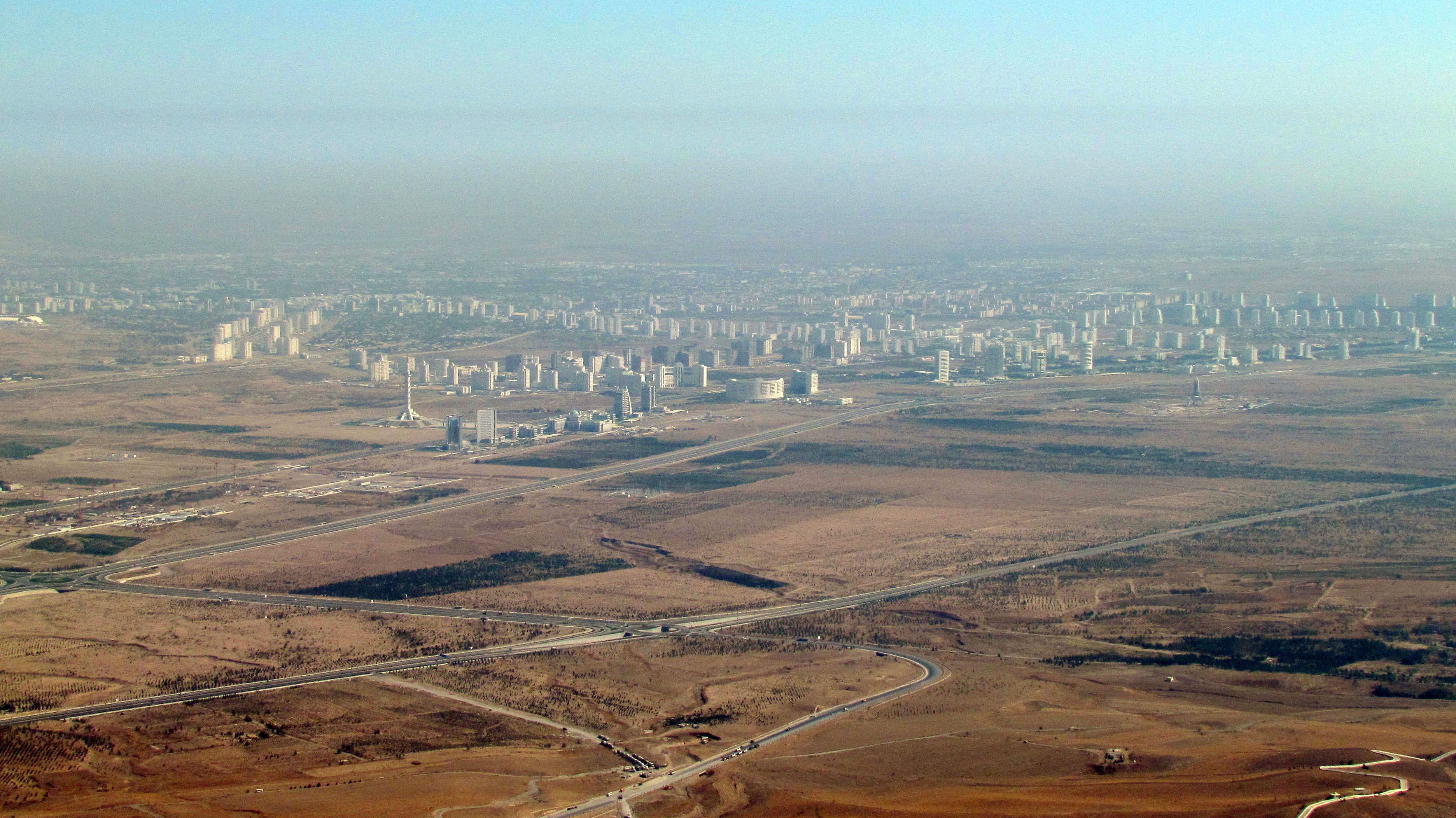
The ministry also identifies protection against distributed denial-of-service attacks as a priority. A Bitcoin node and a centralized exchange have different security boundaries: the node validates protocol rules, whereas the exchange must additionally protect customer accounts, internal ledgers and withdrawal authorization. Our Bitcoin peer-network protocol analysis examines another aspect of network communications.
In a November 26 report, the OSCE described an October 13–14 workshop involving 23 Turkmen financial and supervisory officials. Training covered virtual-asset oversight and the limitations of blockchain transaction analysis. Training is evidence of institutional preparation, not proof of successful investigations or deployed commercial services. The development complements technical reliability work such as the Bitcoin Core testing grant in Uganda. No independently verified national Bitcoin mining output or commercial exchange count was established by the consulted announcements.
Further viewing: video report on the Mejlis legislative session (2025). Original source link supplied; embedded playback has not been tested. Featured photograph: NASA Johnson Space Center, ISS072-E-793133, March 17, 2025, public domain, cropped to 1200×630.
We volunteer daily to ensure the credibility of the information on our platform is Verifiably True. If you would like to support our independent research, please scan the QR code below.



Leave a Reply