Tech Docs
-
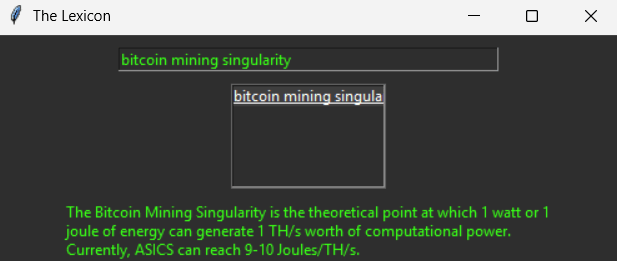
This study proposes a new theoretical framework: the Bitcoin Mining Singularity, defined as the point at which one joule of energy yields one terahash per second (1 J/TH) of cryptographic computation. This convergence of energy efficiency and computational output in Bitcoin mining represents a potential milestone in the global evolution of post-industrial labor, energy monetization,…
-
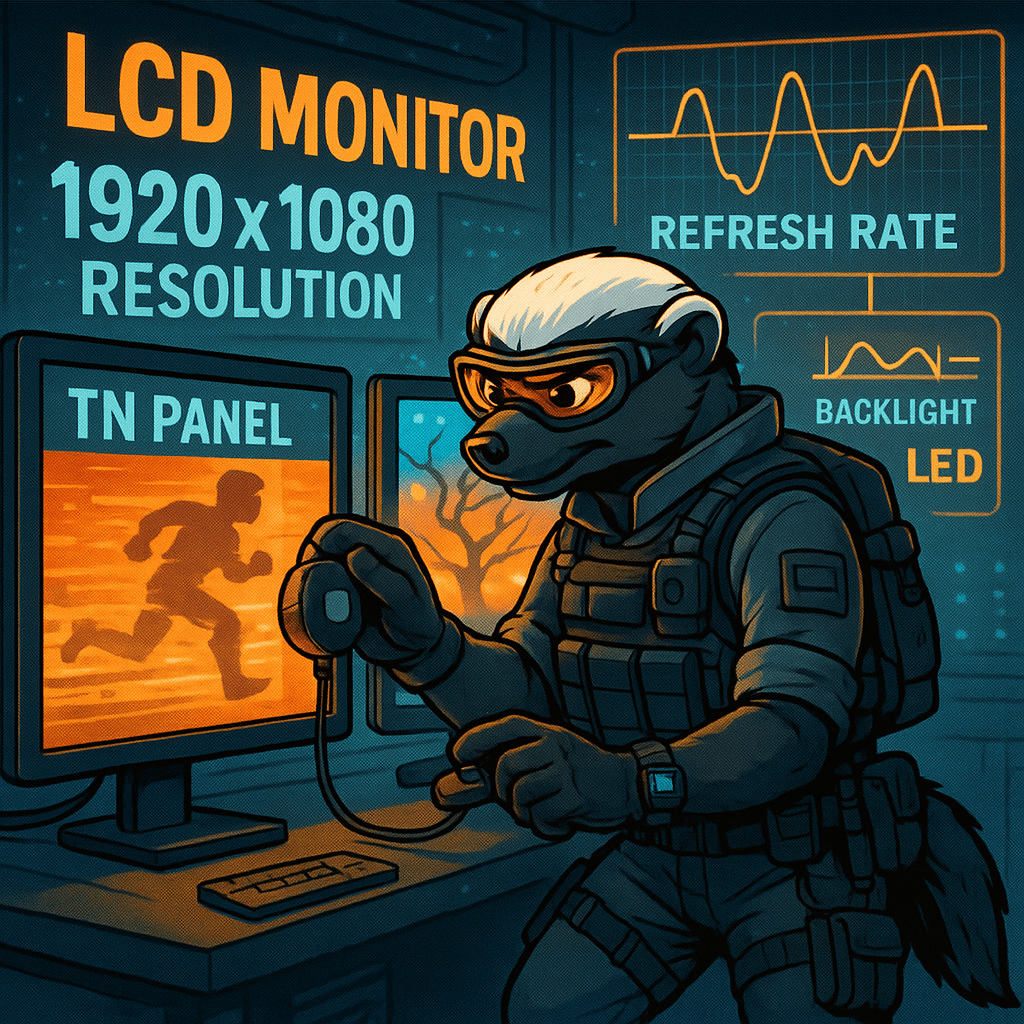
Liquid Crystal Display (LCD) monitors use liquid crystals and a backlight to create images on screen. Each pixel is composed of subpixels (red, green, and blue) controlled by liquid crystal alignment, which either blocks or passes light from the backlight. There are two key types of LCD panel technologies: Fast response times Lower cost Narrower…
-
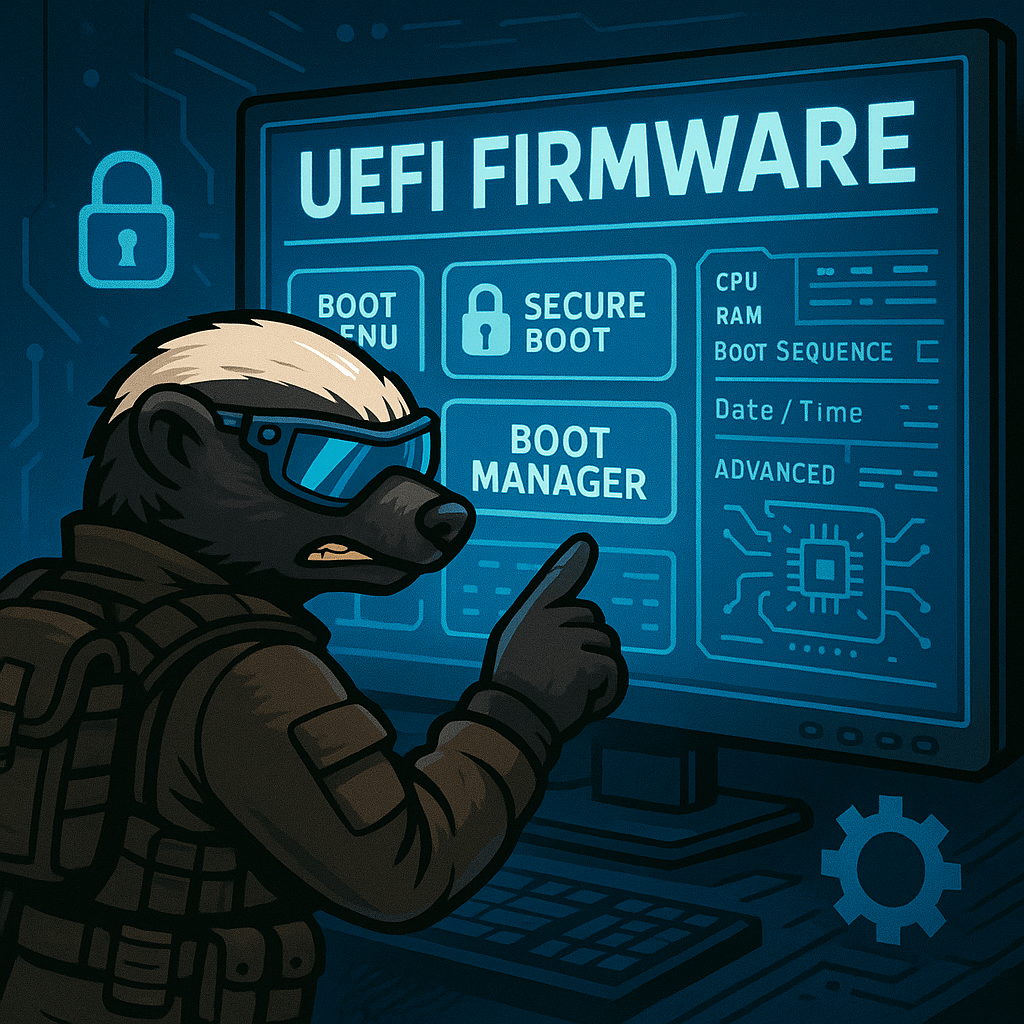
UEFI, or Unified Extensible Firmware Interface, is the modern replacement for traditional BIOS in today’s computers. It is the firmware layer that initializes hardware components and passes control to the operating system during the boot process. UEFI offers several advantages over BIOS, including support for larger drives (over 2 TB), faster boot times, a graphical…
-
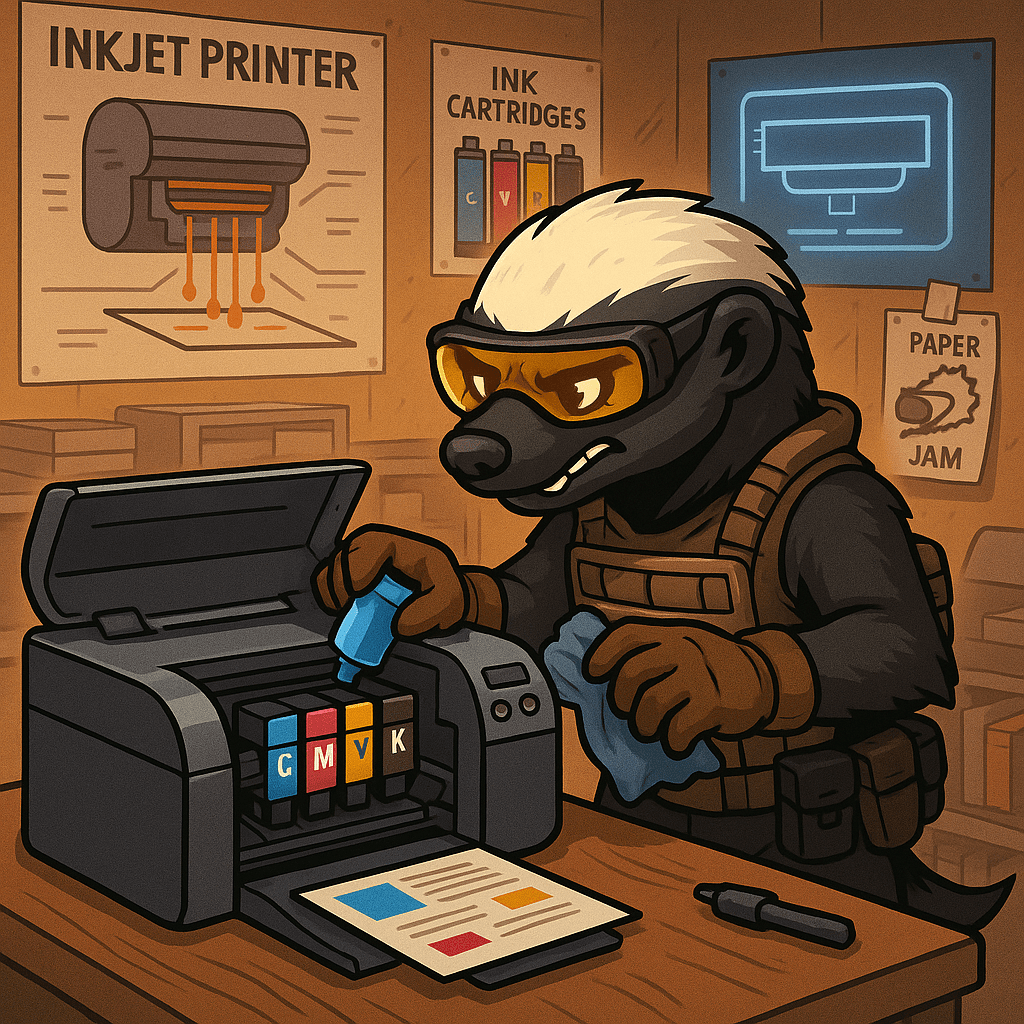
Inkjet printers are among the most common types of consumer and small office printers, known for their ability to produce detailed color images and sharp text on a variety of media. They function by spraying tiny droplets of ink directly onto paper through nozzles in the printhead. These droplets are controlled with extreme precision, often…
-

Setting up an Ubuntu Virtual Machine (VM) using Oracle VirtualBox begins with downloading the latest ISO file from Ubuntu’s official site. For Ubuntu 24.04, users typically select the desktop version compatible with their hardware architecture, commonly “amd64.” After downloading, users open Oracle VirtualBox, create a new VM, name it, select the Linux operating system type,…
-

RAID, or Redundant Array of Independent Disks, is a method of combining multiple physical drives into a single logical unit to improve performance, redundancy, or both. It’s commonly used in servers, NAS devices, and business-class desktops to ensure data reliability and uptime. Different RAID levels offer different trade-offs between speed, fault tolerance, and capacity. RAID…
-

C++ is not just a programming language. It is a system-building tool forged from necessity, optimized for control, and wielded by those who require deterministic performance across both time and space. Conceived in 1979 by Danish computer scientist Bjarne Stroustrup at Bell Labs, C++ was born out of a need to create simulations with both…
-
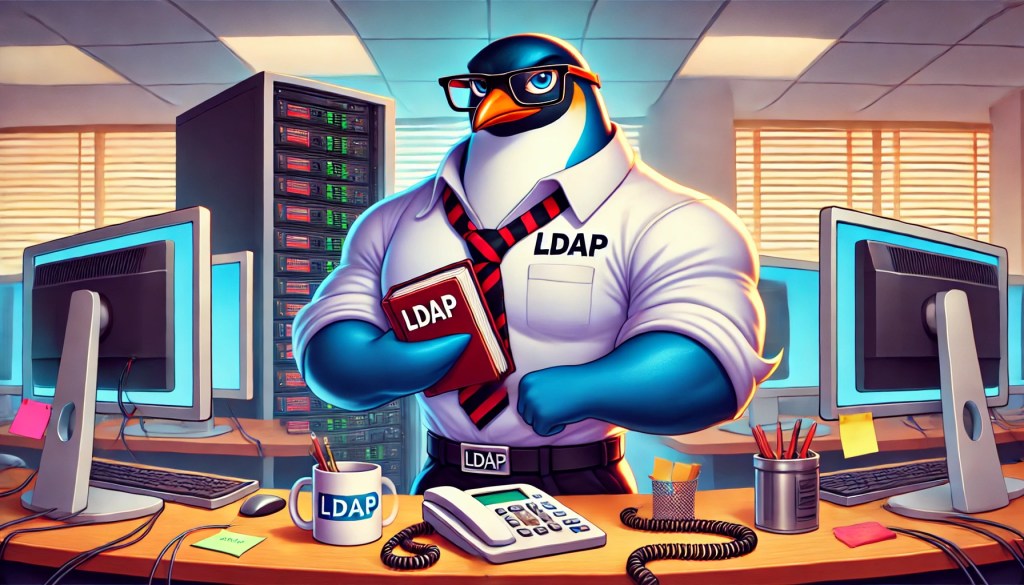
LDAP (Lightweight Directory Access Protocol) is an open, vendor-neutral protocol used to access and maintain distributed directory information services over an Internet Protocol (IP) network. LDAP is widely used for storing and managing information about users, groups, computers, and other resources in a centralized database, known as a directory. The protocol allows clients to connect…
-
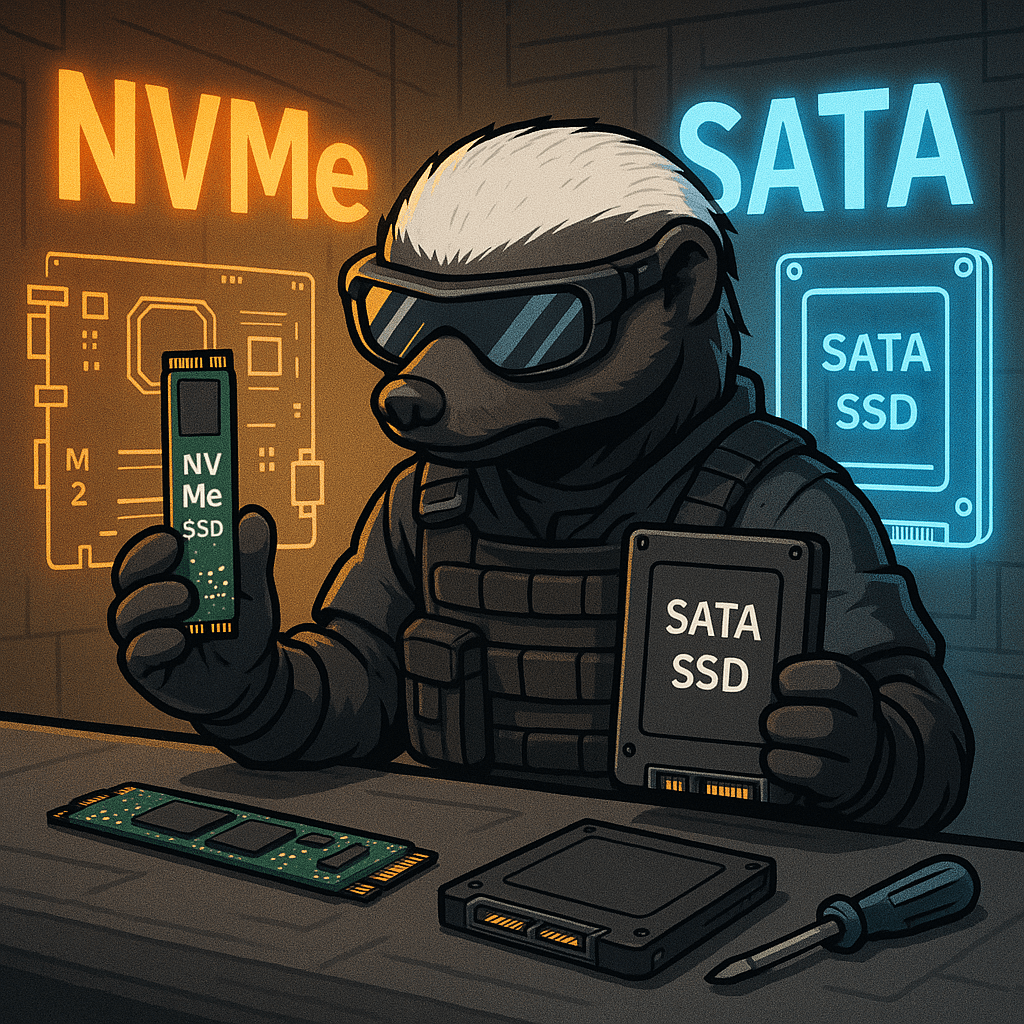
In modern computing, Solid State Drives (SSDs) have largely replaced traditional spinning hard drives due to their superior speed and reliability. Among SSD types, two interfaces dominate: SATA SSDs and NVMe SSDs. Both offer fast performance compared to HDDs, but the underlying technology and connection methods set them apart significantly. SATA SSDs use the Serial…
-

When a Linux machine starts feeling slower than normal, it’s often a sign that system resources are strained. In this case, the user decided to troubleshoot by checking memory usage and cleaning up unused files. After running the free command to get a snapshot of RAM and swap usage, they used find to delete all…
-
To set up logical volume management in Linux, the first step is creating a physical volume (PV). A physical volume is typically a disk partition (like /dev/sdb1) that is initialized for use by the Logical Volume Manager. This is done using the pvcreate command, which prepares the partition to be added into a volume group.…
-
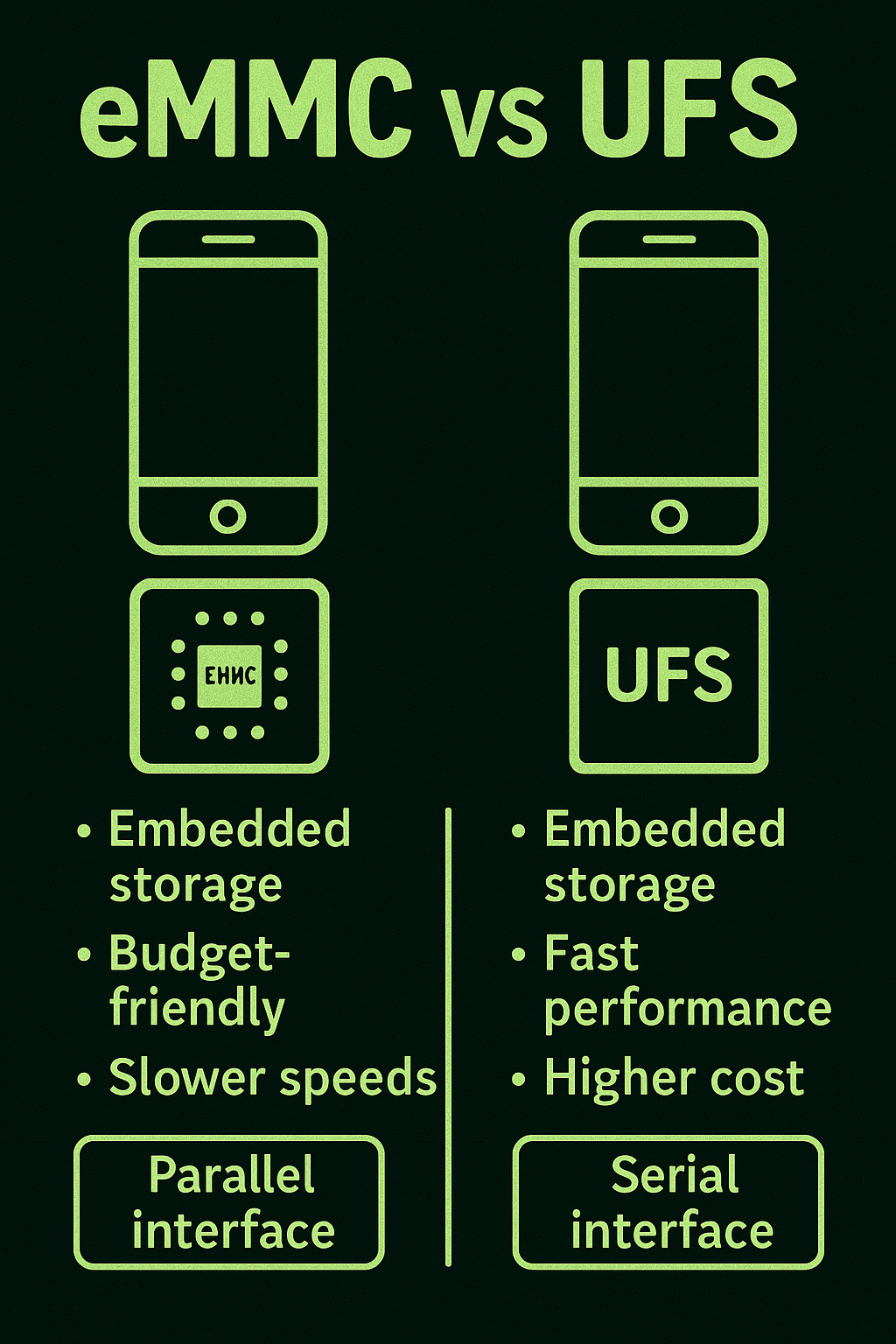
eMMC (embedded MultiMediaCard) and UFS (Universal Flash Storage) are two types of embedded storage used in smartphones, tablets, and entry-level laptops. eMMC integrates flash memory and a controller into a single package, functioning similarly to an SD card. It’s affordable, compact, and easy to implement, making it common in budget devices. However, eMMC operates on…

