Tech Docs
-
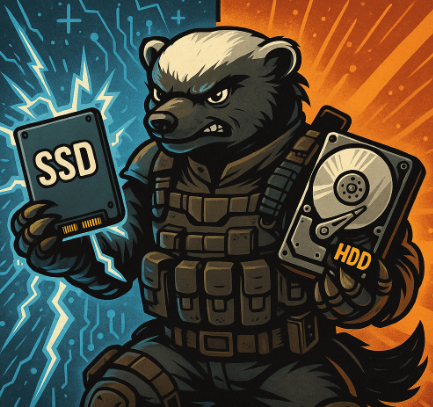
What Is an SSD? A Solid-State Drive (SSD) uses flash memory chips to store data. There are no moving parts, making it faster, quieter, and more durable than traditional hard drives. SSDs have extremely fast read/write speeds, especially in NVMe (PCIe) form, which are ideal for boot drives, gaming systems, and business apps. SSDs come…
-
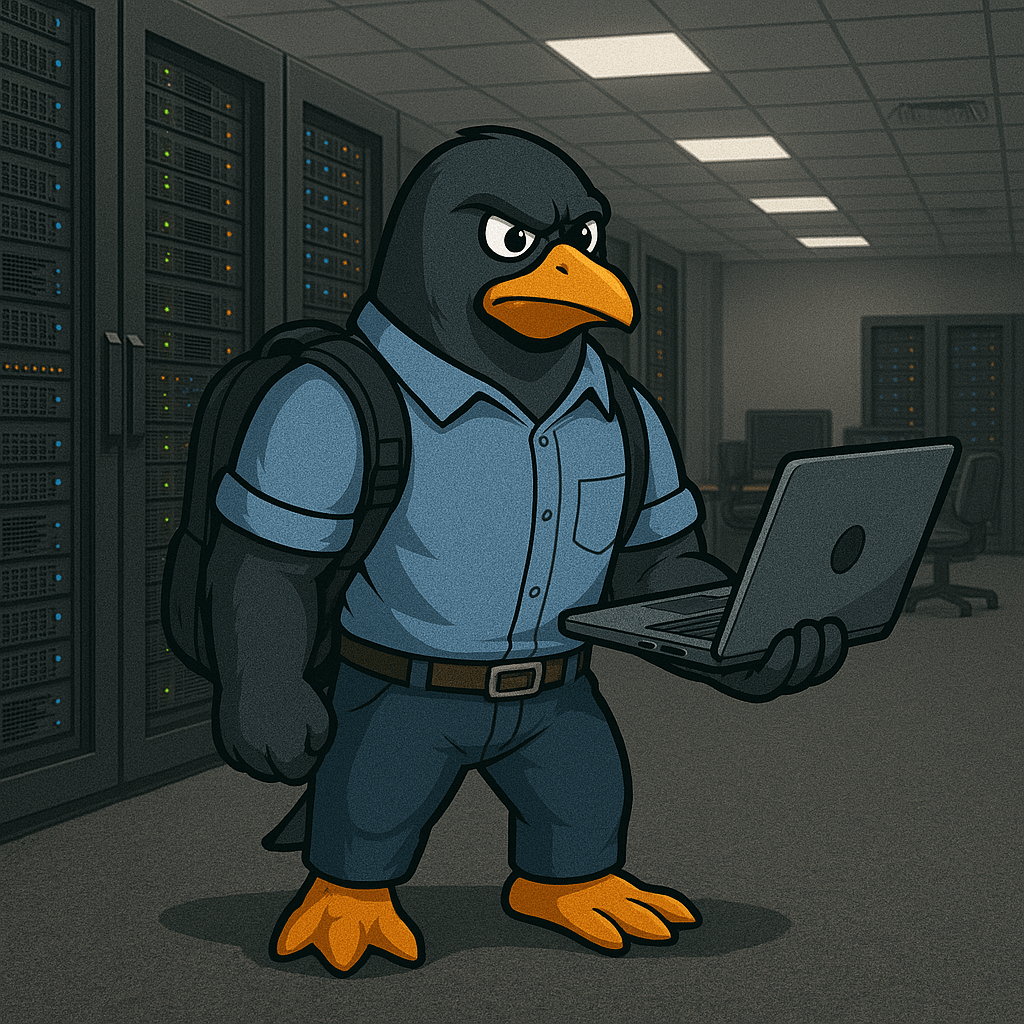
The Linux root directory (/) is the highest-level directory in the entire file system, acting as the central point from which everything else originates. To further clarify, the root directory (/) is the top-level of the entire Linux file system hierarchy, whereas /root is specifically the private home directory for the root (administrator) user. All…
-
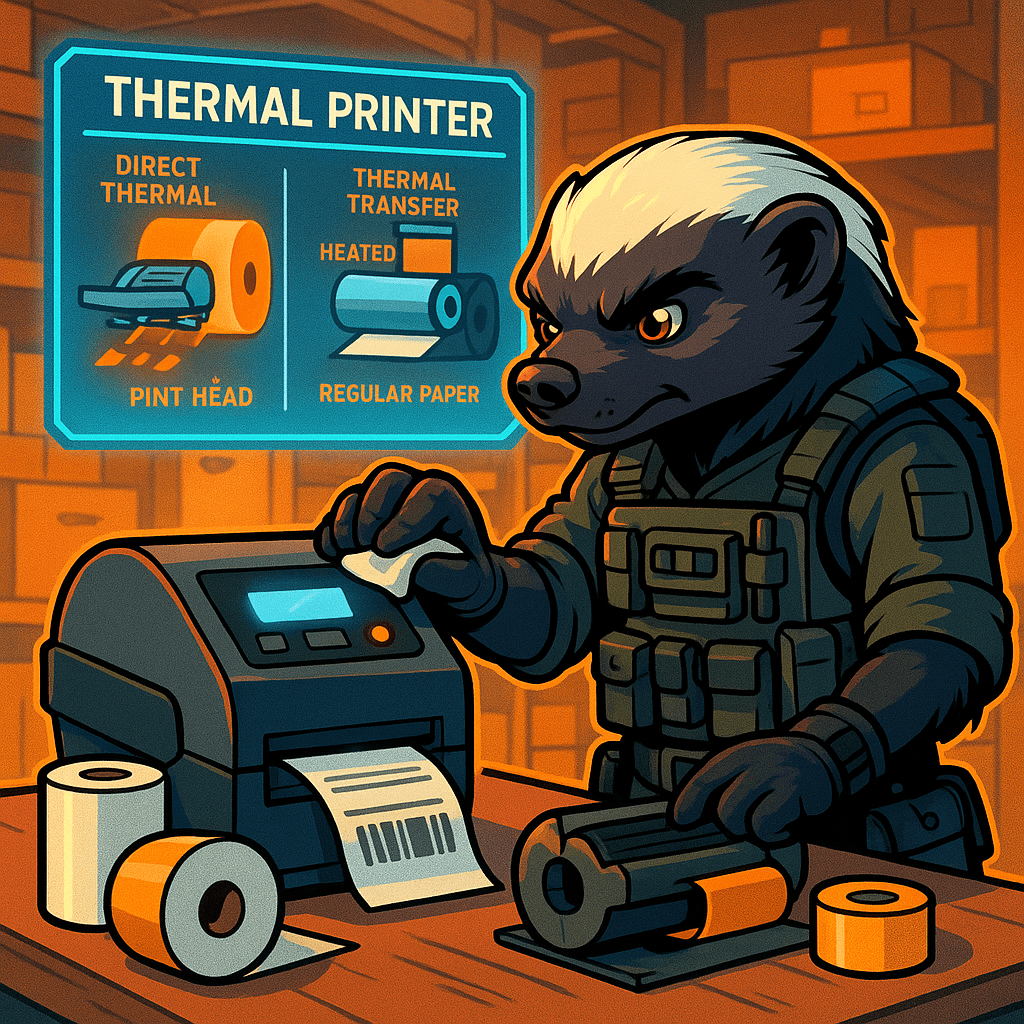
A thermal printer uses heat to transfer images onto paper. It comes in two types: No ink or ribbon needed. Uses heat-sensitive paper that blackens when heated. Common in receipts and shipping labels. Uses a heated ribbon to transfer wax or resin onto media. Durable prints ideal for barcode labels and inventory tags. Consumables and…
-
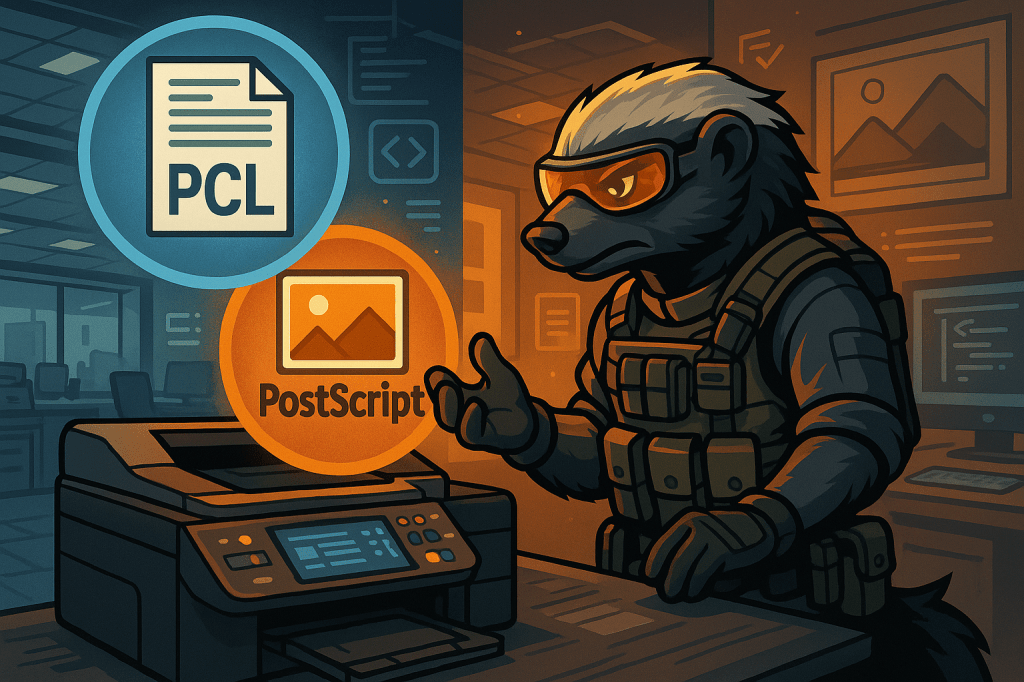
Two of the most recognized and widely used printer languages in the industry are PCL (Printer Command Language) and PostScript. Each one comes with unique advantages and is suited for different types of environments and workloads. PCL, developed by Hewlett-Packard, is a standard language found in many office printers. It’s built for speed and efficiency—great…
-

Every desktop computer relies on a Power Supply Unit (PSU) to convert wall electricity into usable voltage levels that safely power internal components. The PSU takes in AC (Alternating Current) and outputs DC (Direct Current) in multiple voltages—typically +12V, +5V, and +3.3V—distributed to the motherboard, CPU, storage devices, and GPU. Without proper power regulation, even…
-
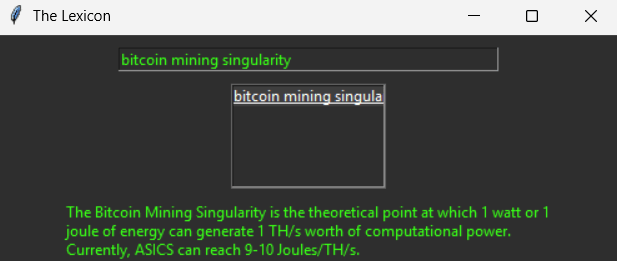
This study proposes a new theoretical framework: the Bitcoin Mining Singularity, defined as the point at which one joule of energy yields one terahash per second (1 J/TH) of cryptographic computation. This convergence of energy efficiency and computational output in Bitcoin mining represents a potential milestone in the global evolution of post-industrial labor, energy monetization,…
-
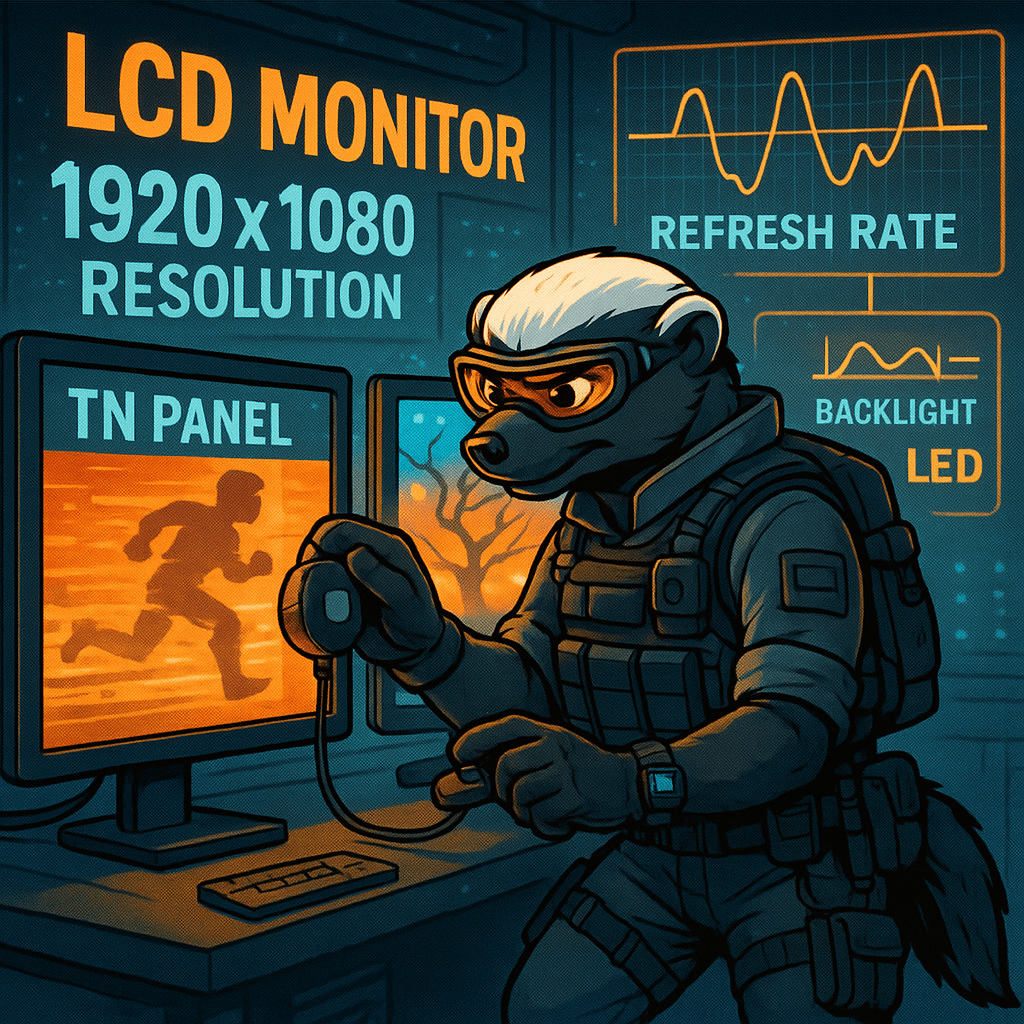
Liquid Crystal Display (LCD) monitors use liquid crystals and a backlight to create images on screen. Each pixel is composed of subpixels (red, green, and blue) controlled by liquid crystal alignment, which either blocks or passes light from the backlight. There are two key types of LCD panel technologies: Fast response times Lower cost Narrower…
-

UEFI, or Unified Extensible Firmware Interface, is the modern replacement for traditional BIOS in today’s computers. It is the firmware layer that initializes hardware components and passes control to the operating system during the boot process. UEFI offers several advantages over BIOS, including support for larger drives (over 2 TB), faster boot times, a graphical…
-
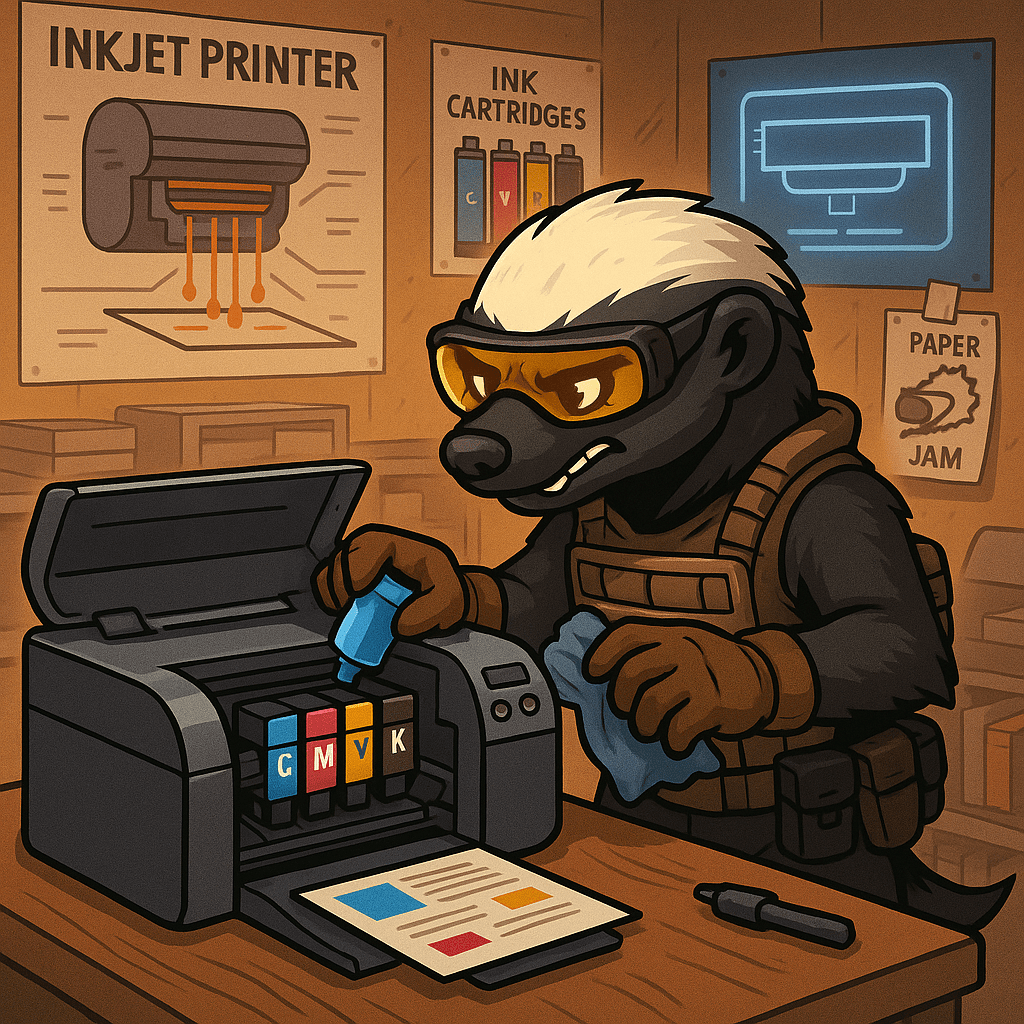
Inkjet printers are among the most common types of consumer and small office printers, known for their ability to produce detailed color images and sharp text on a variety of media. They function by spraying tiny droplets of ink directly onto paper through nozzles in the printhead. These droplets are controlled with extreme precision, often…
-
Setting up an Ubuntu Virtual Machine (VM) using Oracle VirtualBox begins with downloading the latest ISO file from Ubuntu’s official site. For Ubuntu 24.04, users typically select the desktop version compatible with their hardware architecture, commonly “amd64.” After downloading, users open Oracle VirtualBox, create a new VM, name it, select the Linux operating system type,…
-

RAID, or Redundant Array of Independent Disks, is a method of combining multiple physical drives into a single logical unit to improve performance, redundancy, or both. It’s commonly used in servers, NAS devices, and business-class desktops to ensure data reliability and uptime. Different RAID levels offer different trade-offs between speed, fault tolerance, and capacity. RAID…
-

C++ is not just a programming language. It is a system-building tool forged from necessity, optimized for control, and wielded by those who require deterministic performance across both time and space. Conceived in 1979 by Danish computer scientist Bjarne Stroustrup at Bell Labs, C++ was born out of a need to create simulations with both…

