Tech Docs
-
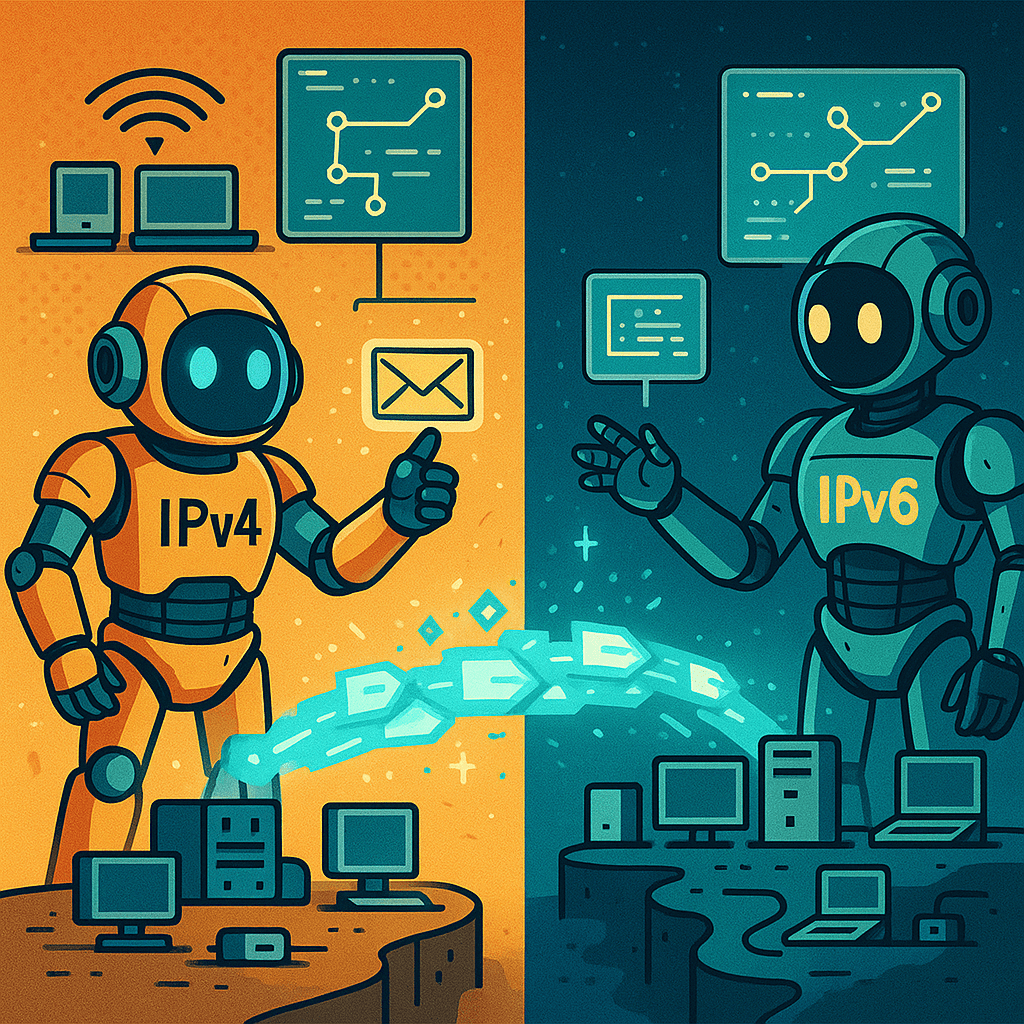
An IP address is a unique identifier assigned to devices on a network to enable communication. There are two main versions: IPv4, a 32-bit address format (e.g., 192.168.1.1), and IPv6, a 128-bit format (e.g., 2001:0db8:85a3::8a2e:0370:7334), created to handle the growing number of connected devices. IPv4 supports around 4.3 billion addresses and uses dot-decimal notation. It’s…
-

BIOS stands for Basic Input/Output System. It is firmware stored on a chip on the motherboard that initializes hardware components and loads the operating system. BIOS interfaces are text-based, and users access them by pressing keys like DEL, F2, or ESC during system startup. BIOS uses Legacy Boot, has limited drive support (up to 2.2…
-
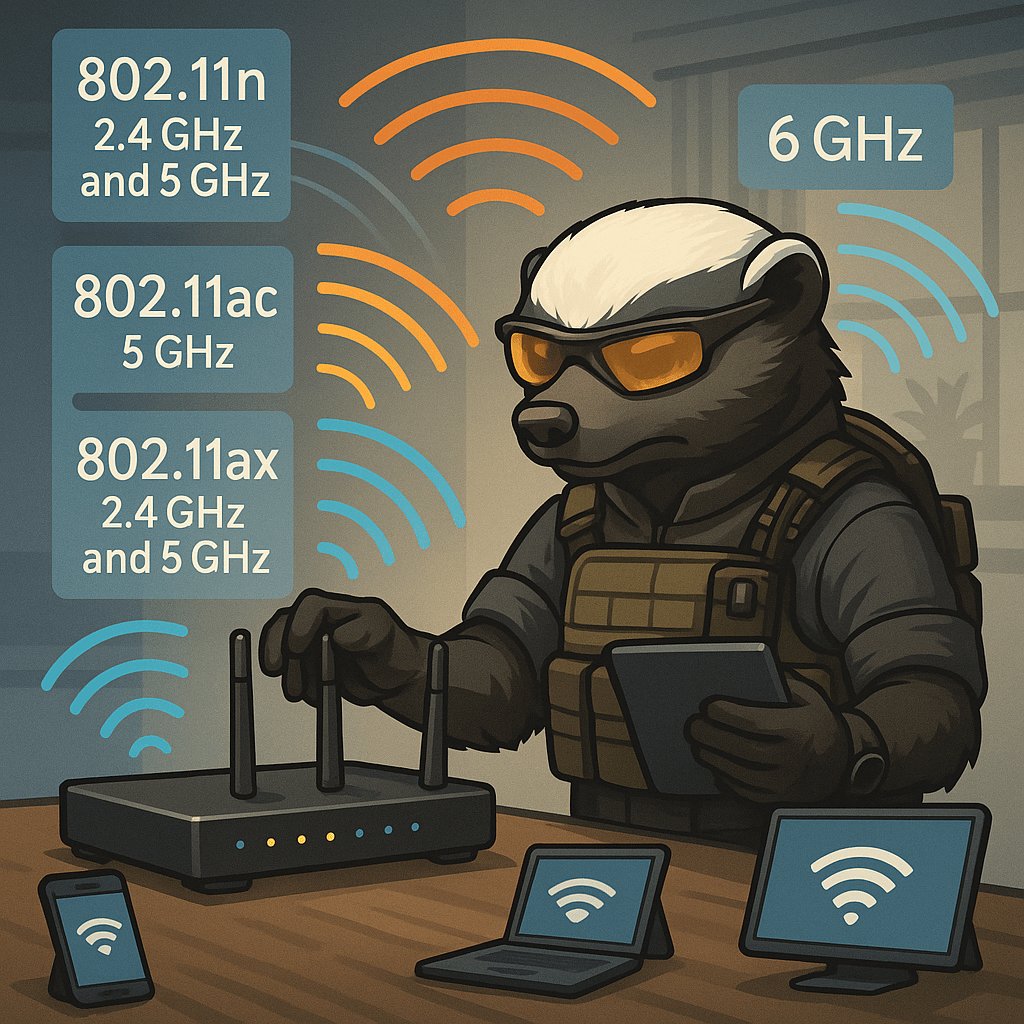
Modern wireless networks operate using evolving Wi-Fi standards, each offering different speed, range, and frequency capabilities. These standards, managed by the IEEE under the 802.11 umbrella, are critical to understand for any technician tasked with configuring or troubleshooting wireless networks. 802.11n, released in 2009, was the first to support dual-band operation—using both 2.4 GHz and…
-

The duplexing assembly is a specialized component in many modern printers that enables automatic double-sided printing—also known as duplex printing. Rather than requiring the user to manually flip pages to print on the other side, the duplexer takes over that function, flipping the sheet internally and refeeding it through the print path for the second…
-

The /etc directory is where Linux stores all of its system-wide configuration files. Everything from network settings, user account information, system services, startup scripts, and software configurations is organized here. Unlike directories such as /bin or /boot which hold programs or boot files, /etc is focused purely on settings that control how Linux and its…
-

Older laptop models that use CCFL (Cold Cathode Fluorescent Lamp) backlighting rely on a display inverter to power the screen’s illumination. The inverter’s job is to convert the laptop’s DC power into AC voltage needed by the CCFL tube inside the display panel. Without a functioning inverter, the screen may be technically on but will…
-

Trusted Platform Module (TPM) is a dedicated chip embedded on a computer’s motherboard, designed to secure hardware through integrated cryptographic keys. It stores sensitive information such as encryption keys, digital certificates, and passwords in a tamper-resistant environment. TPM is commonly used for: BitLocker drive encryption Secure Boot validation Windows Hello biometric authentication Digital Rights Management…
-

Using FTP, File Transfers are fun; I can use tcp/20 or /21! With port 22, I’m feeling well; Secure communication in my little Shell. Telnet’s the same, but more easy to see; nobody likes you when you’re port 23. SMTP is where Simple Mail thrives; it’s Transferred to servers with port 25. With DNS, I…
-

The /bin directory is where Linux keeps many of its most essential commands that are available to all users, whether they are administrators or regular users. Inside /bin, you will find programs like ls for listing directory contents, cp for copying files, and mv for moving or renaming files. These commands are so vital that…
-
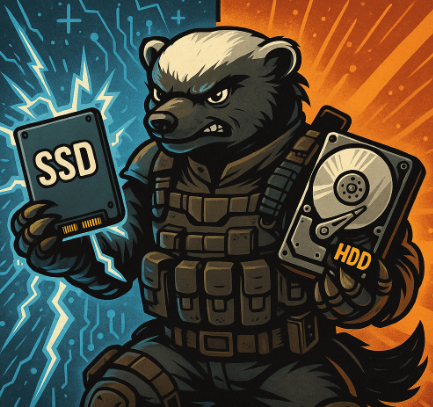
What Is an SSD? A Solid-State Drive (SSD) uses flash memory chips to store data. There are no moving parts, making it faster, quieter, and more durable than traditional hard drives. SSDs have extremely fast read/write speeds, especially in NVMe (PCIe) form, which are ideal for boot drives, gaming systems, and business apps. SSDs come…
-

The Linux root directory (/) is the highest-level directory in the entire file system, acting as the central point from which everything else originates. To further clarify, the root directory (/) is the top-level of the entire Linux file system hierarchy, whereas /root is specifically the private home directory for the root (administrator) user. All…
-
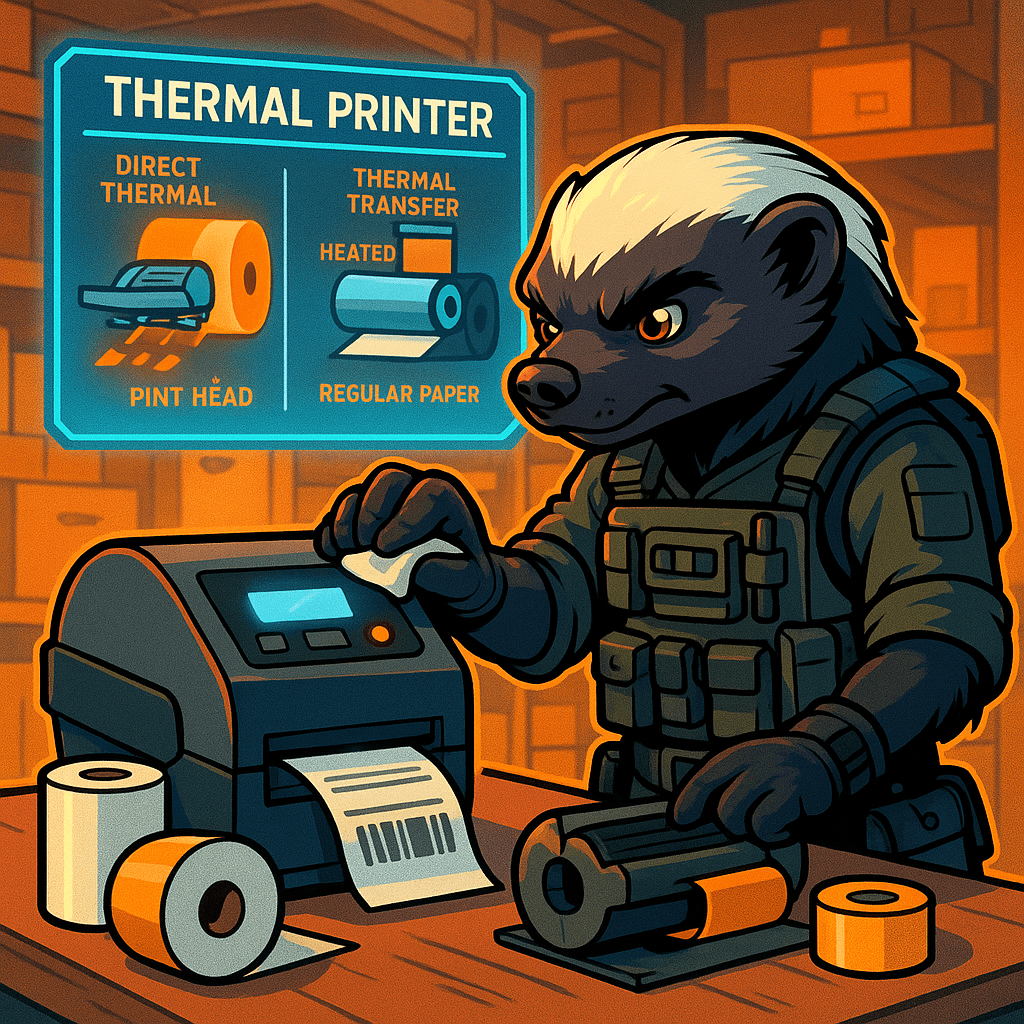
A thermal printer uses heat to transfer images onto paper. It comes in two types: No ink or ribbon needed. Uses heat-sensitive paper that blackens when heated. Common in receipts and shipping labels. Uses a heated ribbon to transfer wax or resin onto media. Durable prints ideal for barcode labels and inventory tags. Consumables and…

