Tech Docs
-
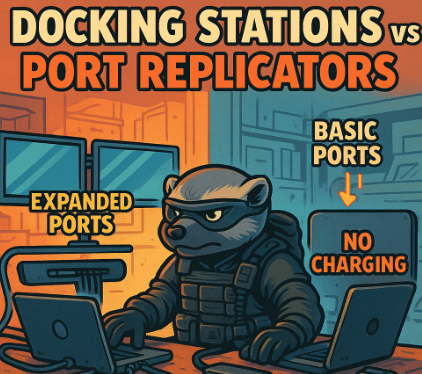
What Is a Docking Station? A docking station is a physical expansion unit that connects to a laptop and transforms it into a full desktop workstation. It adds additional ports such as USB, Ethernet, HDMI, DisplayPort, audio jacks, and charging capabilities, often through a single USB-C or proprietary connector. Docking stations typically: Support multiple monitors…
-
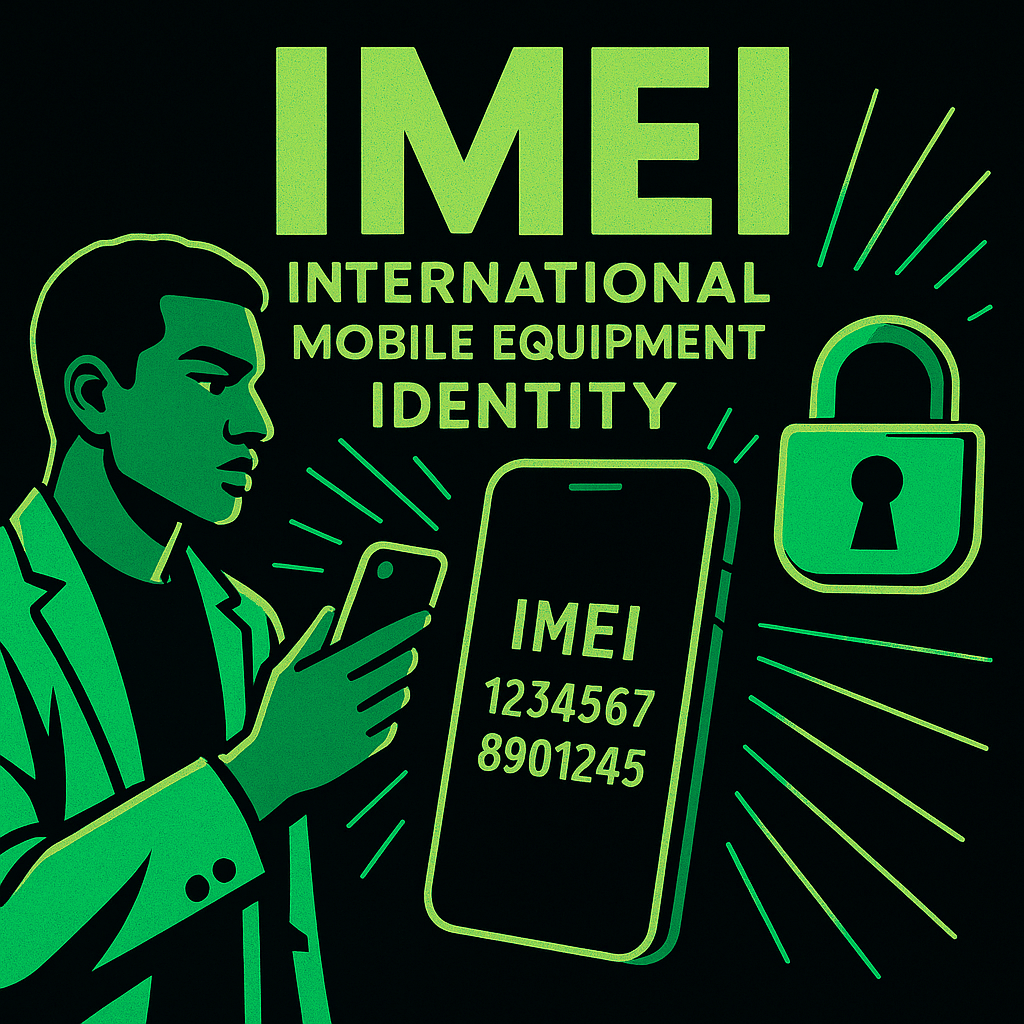
The IMEI (International Mobile Equipment Identity) is a unique 15-digit number assigned to every mobile device that connects to a cellular network. Unlike a SIM card, which identifies the user, the IMEI identifies the device itself. It is used by carriers to track stolen devices, block lost phones from network access, and enforce blacklists. IMEI…
-

A swap file in Linux is a special file on the disk that acts as virtual memory when the system’s physical RAM becomes full. Instead of immediately failing or killing processes when memory runs low, the kernel moves less-used data from RAM into the swap file to free up space for active applications. This ensures…
-
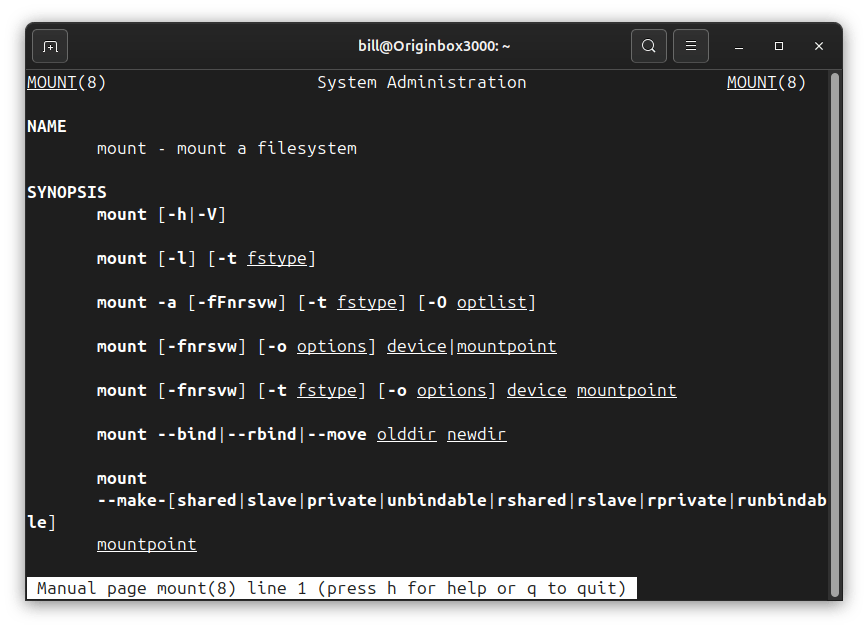
In Linux, mount refers to the process of attaching a storage device or partition—such as a hard drive, USB stick, or network share—to the system’s directory tree so that its contents become accessible. Unlike operating systems that assign drive letters, Linux integrates storage into a single hierarchical file system. When a device is mounted, it…
-

Creating a filesystem means formatting a partition or volume with a specific structure that the operating system can understand—such as ext2, ext3, ext4, xfs, or fat32. This is often done on a new partition using the mkfs (make filesystem) family of commands. For example, formatting a device with ext4 can be done with: sudo mkfs.ext4…
-
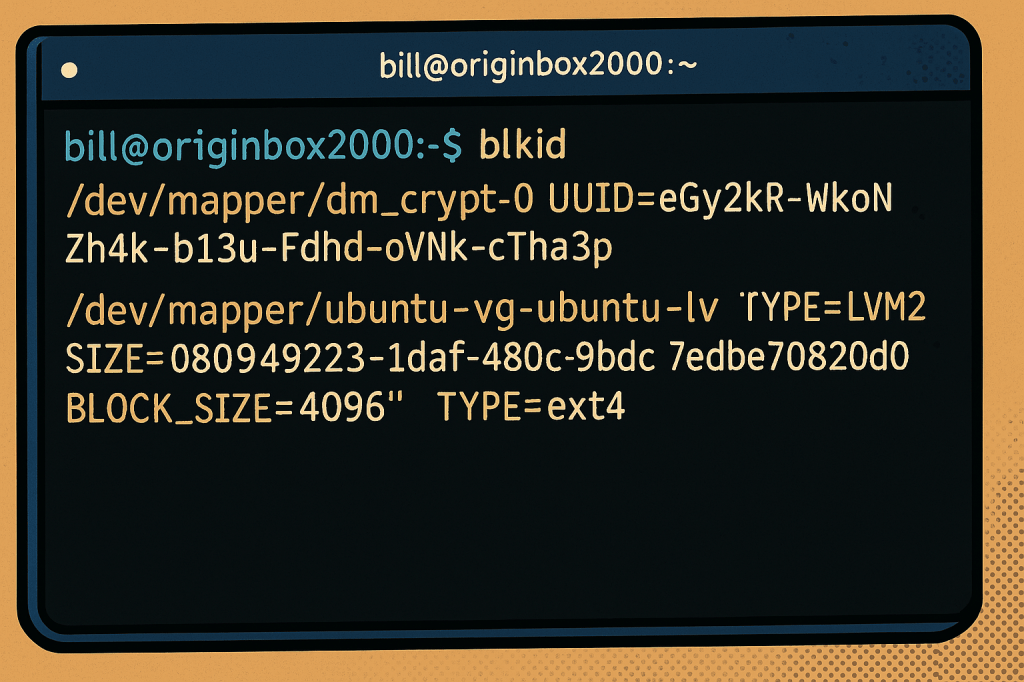
The blkid command in Linux identifies block devices and displays metadata like UUIDs, device paths, filesystem types, encryption layers, and block sizes. It’s an essential tool for system administrators who need to manage storage devices, mount points, or encrypted volumes. In the output shown, /dev/mapper/dm_crypt-0 represents an encrypted volume managed by dm-crypt and tagged as…
-
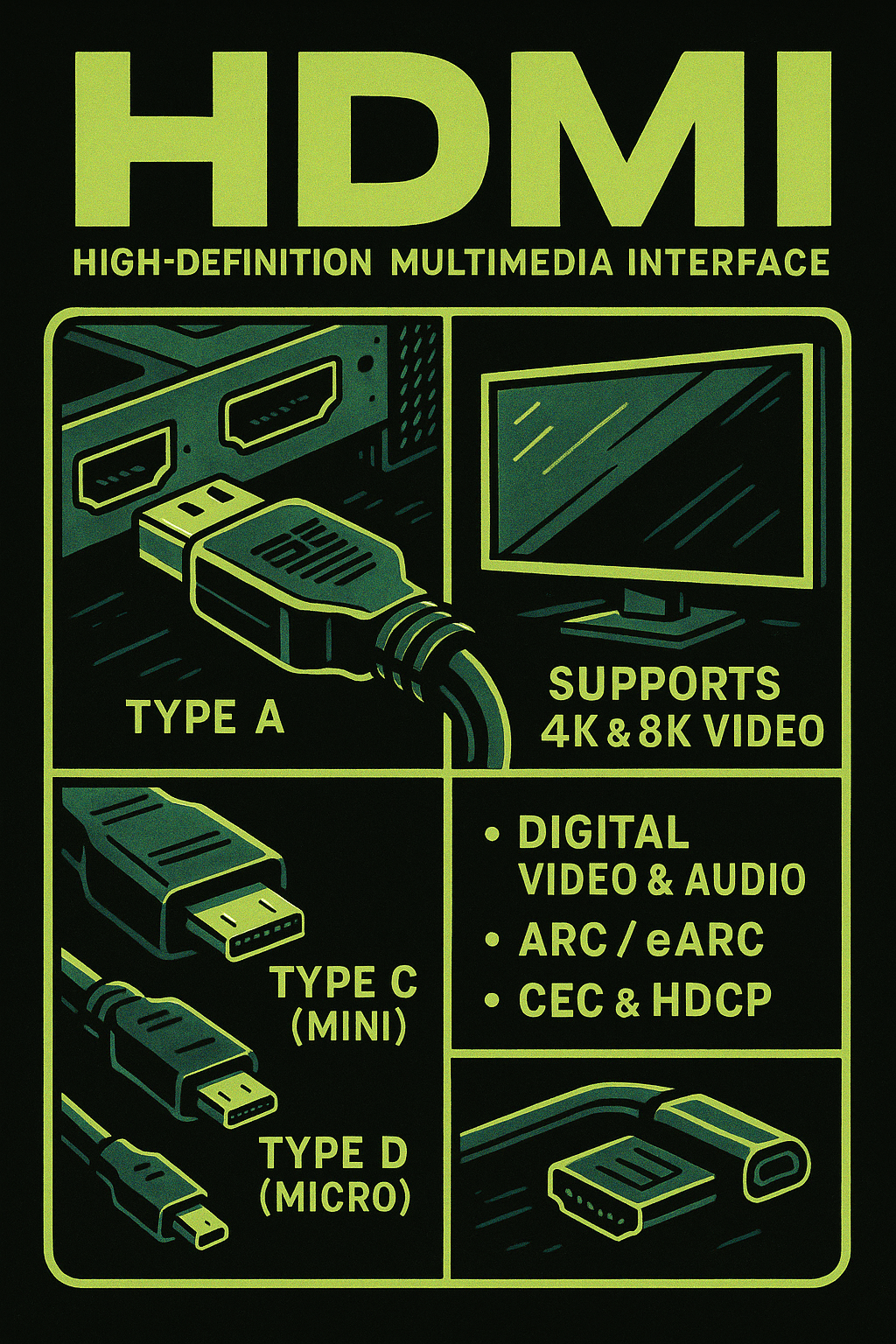
HDMI (High-Definition Multimedia Interface) is a proprietary audio/video interface designed to transmit uncompressed digital video and audio from a source device to a display or audio receiver. It supports a wide range of high-resolution formats, including 1080p, 4K, and even 8K video, along with multi-channel digital audio—all through a single cable. HDMI connectors come in…
-
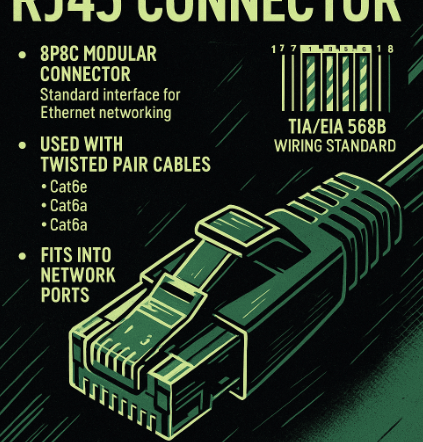
The RJ45 connector is the industry-standard interface used to terminate twisted-pair Ethernet cables for wired networking. Formally known as an 8P8C (eight positions, eight contacts) modular connector, RJ45 is used to connect devices such as computers, routers, switches, and patch panels in both residential and enterprise environments. It supports network standards like 10BASE-T, 100BASE-TX, 1000BASE-T,…
-
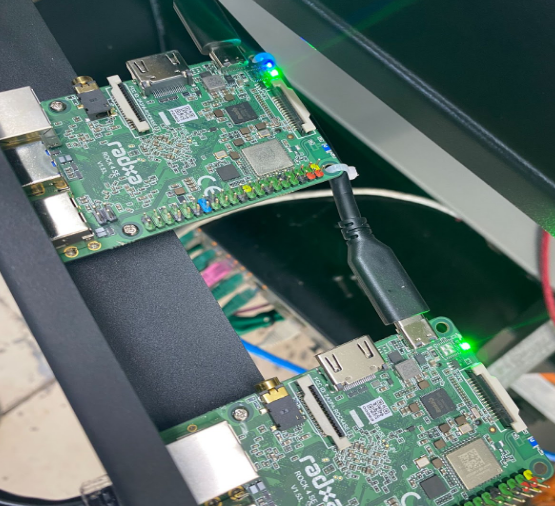
The Rockpi 4 SE is essentially a computer that you can program. The Rockpi has capabilities for various management, monitoring, and automation tasks to further optimize operations at a bitcoin mining facility. Software Overview Retrofitting “Brains”’ on a Rock Pi involves first opening a Fedora terminal to develop u-boot for the Rock Pi. Once the…
-
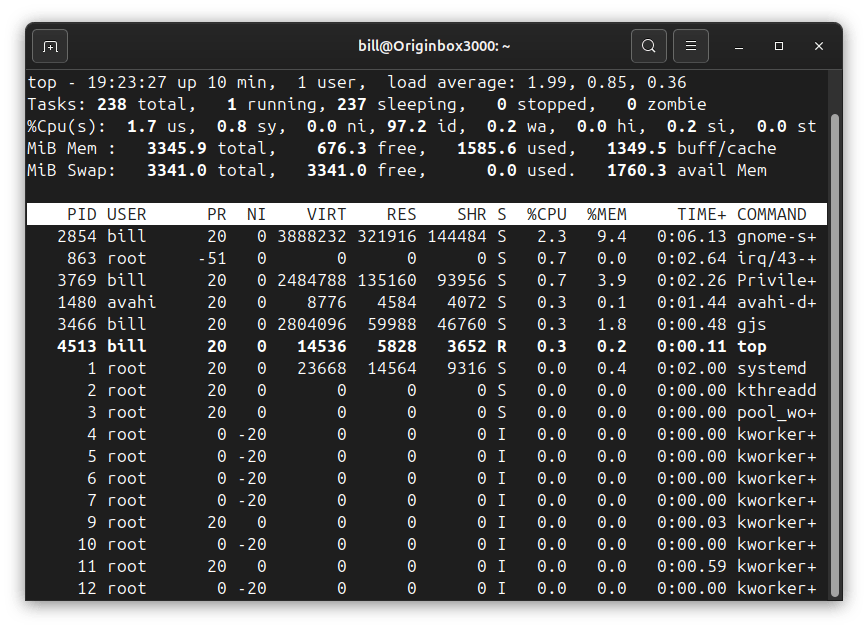
The top command in Linux provides real-time monitoring of system processes, resource usage, and performance metrics directly from the terminal. It dynamically displays essential information, including CPU utilization, memory consumption, swap usage, and running tasks. The interactive output updates automatically, offering an immediate overview of the system’s operational state, making it invaluable for troubleshooting, performance…
-

The Linux kernel serves as the core component of the Linux operating system, acting as a bridge between software applications and the physical hardware of the machine. Originally created by Linus Torvalds in 1991, it manages critical system resources such as CPU, memory, input/output devices, and networking. By providing a secure, stable, and efficient environment…
-

A Canaan Bitcoin miner experienced a power supply unit (PSU) failure, leading to significant damage. An analysis suggests two primary causes: inadequate power delivery from an extension cord and the use of a non-compliant USB-C cable. Theory 1: Inadequate Power Delivery from Extension Cord The PSU was connected via an extension cord, which may not…

