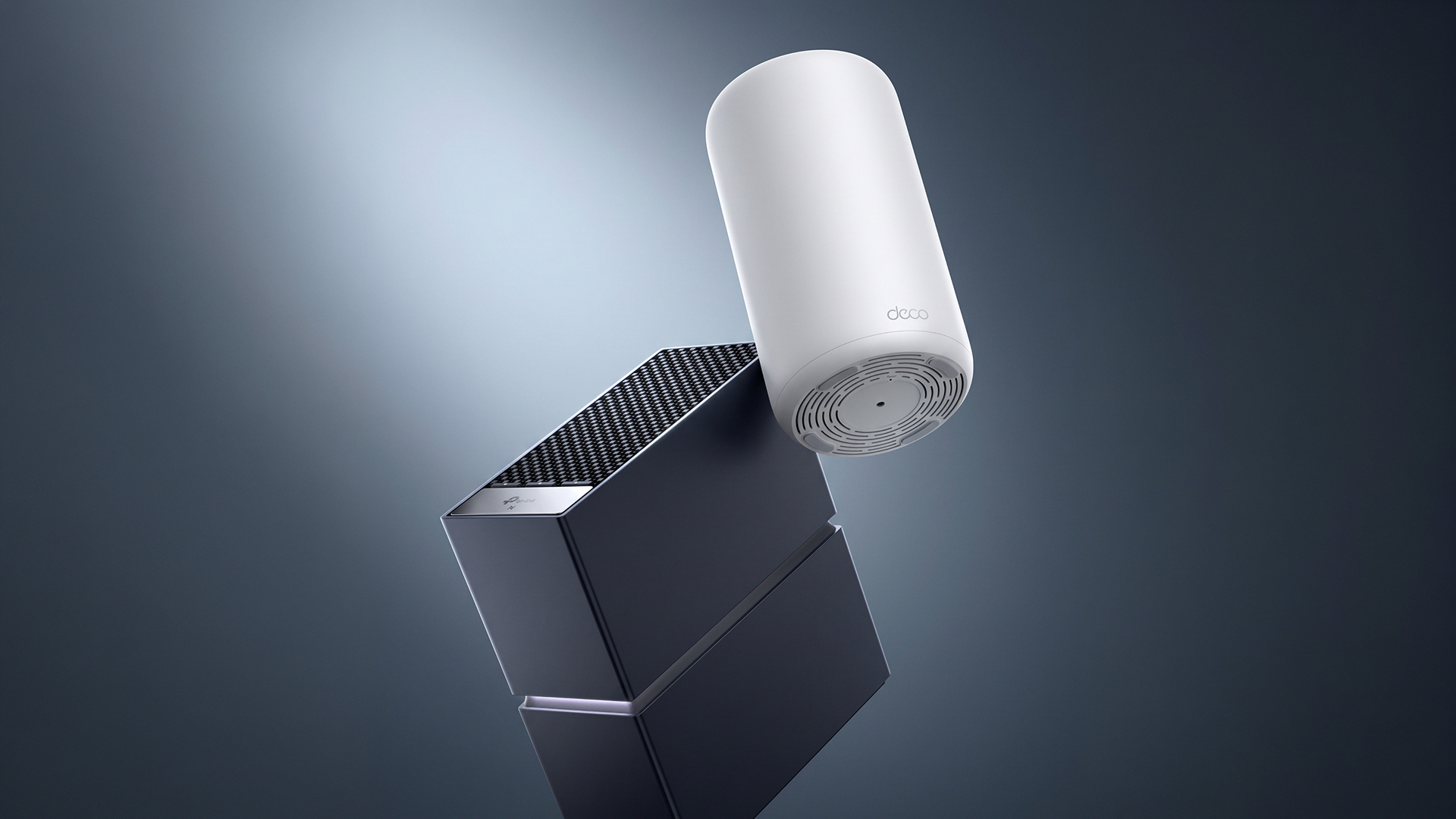
Wi-Fi 8 is moving from standards work into consumer hardware. TP-Link has unveiled its first complete product family built around the upcoming IEEE 802.11bn generation, led by the Archer 8 Ultra router and Deco 8 Ultra mesh system.
The company says its new StabilityEngine is designed less around chasing another headline peak-speed number and more around the problems users actually feel: edge-of-home coverage, interference, congestion and inconsistent links when many devices compete for airtime.
Archer reaches 19 Gbps; Deco reaches 22 Gbps
The Archer 8 Ultra BN19000 is a tri-band router rated for up to 19 Gbps of aggregate wireless throughput, backed by 10 Gbps wired connectivity and 18 internal antennas. The Deco 8 Ultra BN22000 pushes the aggregate wireless rating to as much as 22 Gbps, also includes 10 Gbps wired networking, and TP-Link says a three-unit system can cover up to 9,800 square feet while supporting more than 200 connected devices.
Those numbers are useful context, but Wi-Fi 8’s more interesting engineering story is reliability. Technologies including Enhanced Long Range, Distributed Resource Units, Non-Primary Channel Access and Unequal Modulation are meant to keep links useful when clients are far away, power constrained or fighting interference.
Three chip suppliers inside one product generation
TP-Link says the broader family will pair Wi-Fi 8 silicon from Broadcom, Qualcomm and MediaTek with its own hardware and software engineering. That makes this rollout another example of the semiconductor competition BitcoinVersus.tech has been tracking, alongside Qualcomm’s latest Snapdragon silicon and the increasingly dense networking required around modern compute.
Wi-Fi 8 also lands in a world where wired infrastructure is getting faster at the same time. BitcoinVersus.tech recently covered Molex packing 3,456 fibers into 1RU, Marvell’s 3.2T AI-network optics and data-center cabling fundamentals. The scale is different, but the underlying problem is familiar: more endpoints only matter when the network can move their traffic reliably.
A router designed not to be hidden
TP-Link is also treating physical design as RF engineering. Traditional routers often end up hidden behind furniture or inside cabinets. Archer 8 Ultra uses a more architectural enclosure with an emissive status glow, while Deco 8 Ultra keeps the compact mesh-node form. The logic is straightforward: hardware people are willing to leave in the open has a better chance of being placed where its radios can perform.
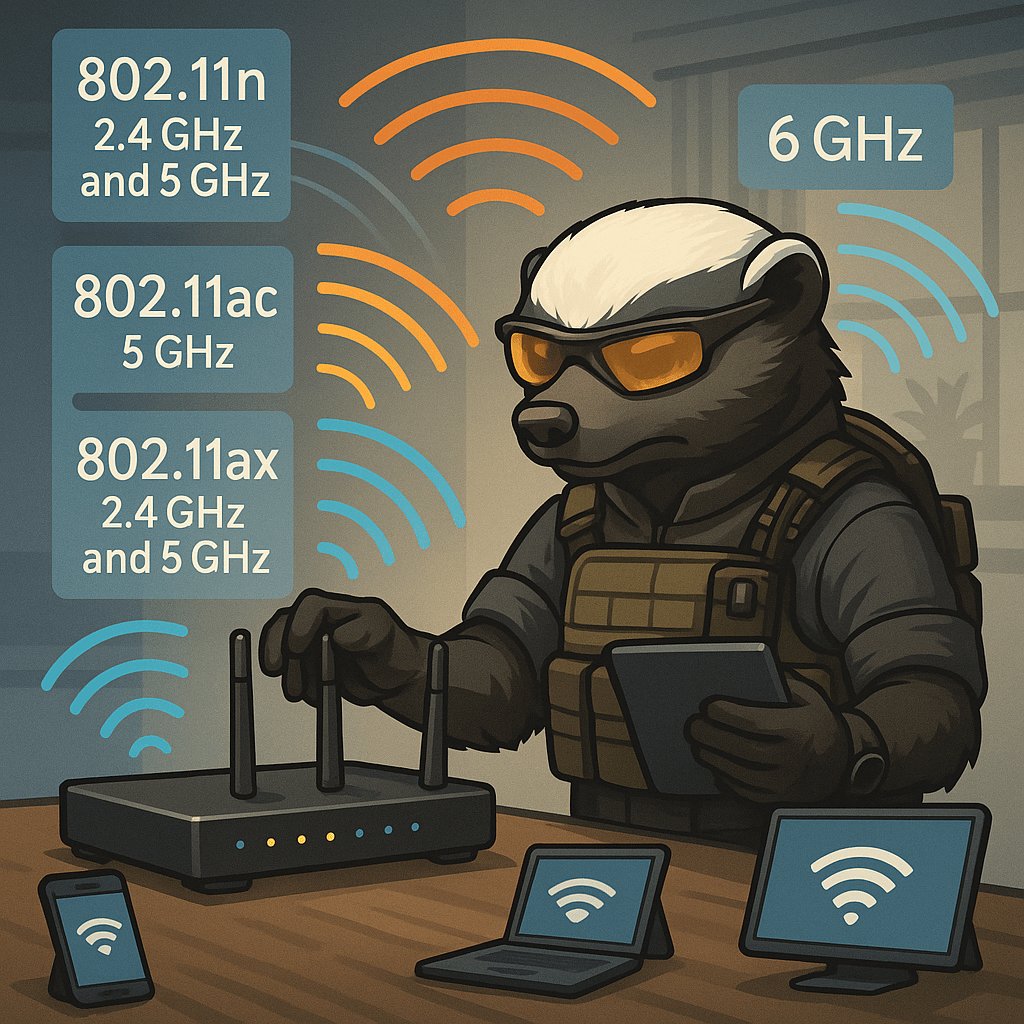
That placement lesson connects with older BitcoinVersus.tech networking explainers on Wi-Fi standards and frequency bands, wireless access points and VLANs. A new radio standard does not eliminate basic network design.
An early industry post about the new hardware highlighted the Deco and Archer 8 Ultra family ahead of IFA, giving a first look at the equipment as Wi-Fi 8 moves toward retail.
September 30 is the next checkpoint
Archer 8 Ultra pre-orders are scheduled to begin in selected regions on September 30, when TP-Link plans a global online launch with fuller product details. Deco 8 is planned for the first quarter of 2027, followed by a Roam 8 travel router, range extenders and adapters in the second quarter.
There is an important caveat: IEEE 802.11bn is still an upcoming standard, so products arriving this early are entering the market before the specification’s longer standards process is complete. That makes the next few months less about replacing every Wi-Fi 6 or Wi-Fi 7 device and more about seeing whether Wi-Fi 8’s reliability features deliver measurable improvements in real homes.
BitcoinVersus.Tech Editor’s Note
Support independent technology reporting: BTC donations may be sent to 3C9o19EH5HSiwEPyCTmEKzxhNCbo2X6TTb.
Follow BitcoinVersus.tech on X/Twitter for hardware, networking, Bitcoin mining, semiconductor and data-center reporting.
Disclaimer: BitcoinVersus.tech is not a financial advisor. This media platform reports on financial and technology subjects purely for informational purposes.


Leave a Reply