Tech Docs
-
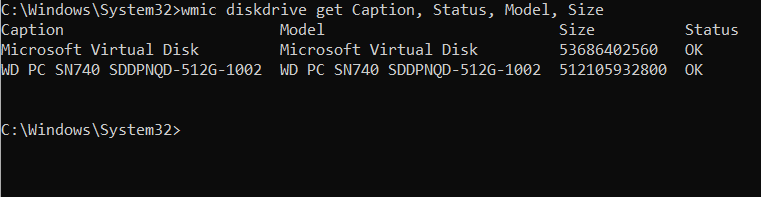
The Windows Management Instrumentation Command-line (WMIC) tool is a command-line utility that enables users to interact with the Windows Management Instrumentation (WMI) system. WMI provides access to detailed system information, hardware diagnostics, and management capabilities without requiring a graphical interface. WMIC simplifies querying system properties, retrieving hardware data, and monitoring system health using predefined aliases.…
-
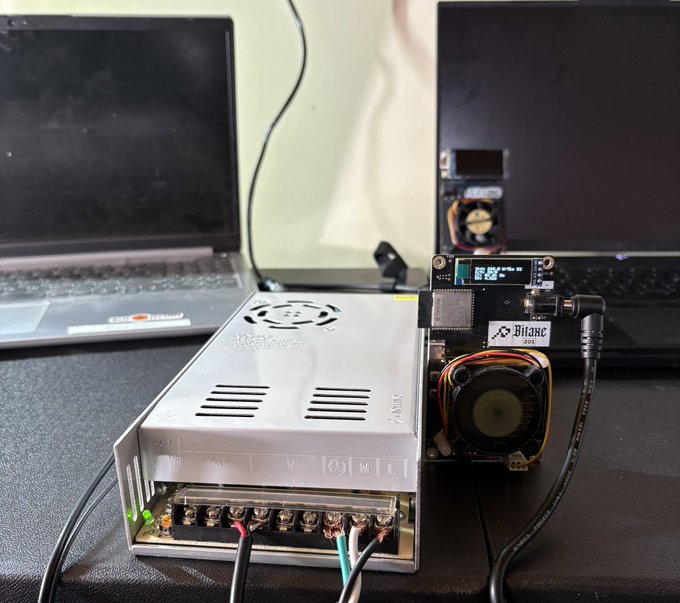
Industrial-grade Bitcoin mining machines require robust and efficient power supplies to convert alternating current (AC) from the grid into the direct current (DC) necessary for their operation. Selecting the appropriate AC to DC power supply is crucial for optimal performance and longevity of the mining equipment. Power Requirements and Efficiency Each mining machine model has…
-
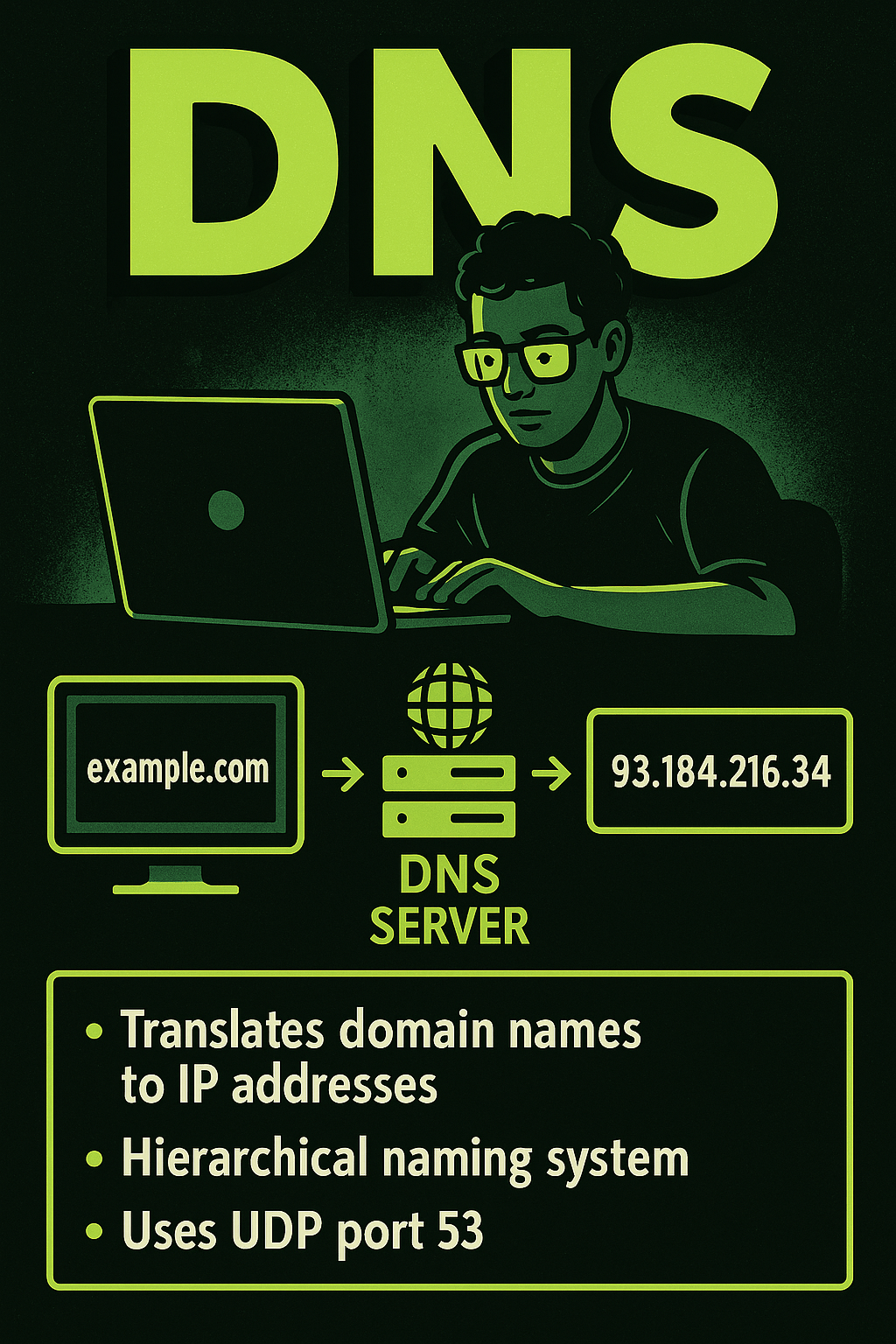
DNS (Domain Name System) is a foundational internet service that translates human-friendly domain names like example.com into IP addresses that computers use to communicate, such as 93.184.216.34. This system works in a hierarchical manner, involving root servers, top-level domains (TLDs), and authoritative name servers. When a user enters a URL into a browser, a DNS…
-
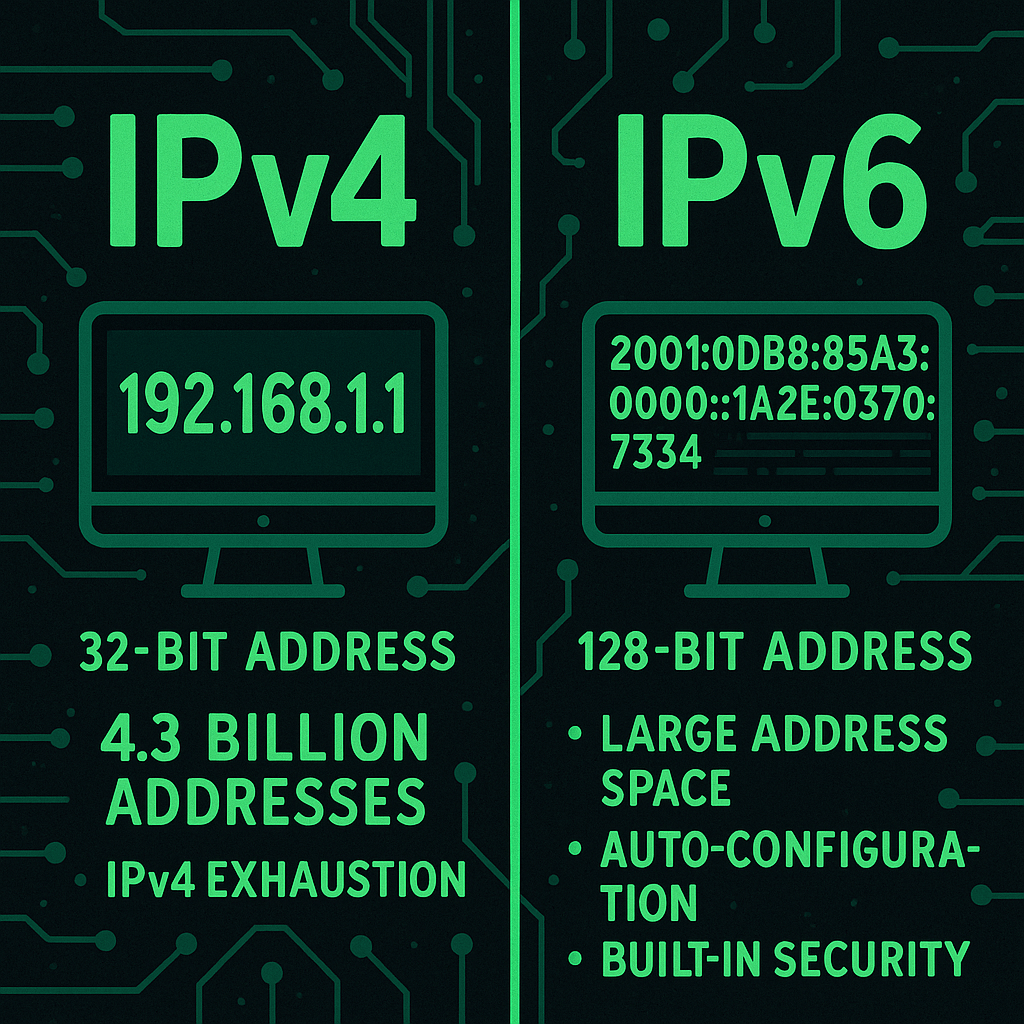
IPv4 (Internet Protocol version 4) is the fourth version of the IP protocol and remains the most widely used standard for assigning IP addresses on the internet and private networks. It uses a 32-bit addressing scheme, represented in dotted decimal format (e.g., 192.168.1.1), which provides approximately 4.3 billion unique addresses. Due to the limited pool…
-
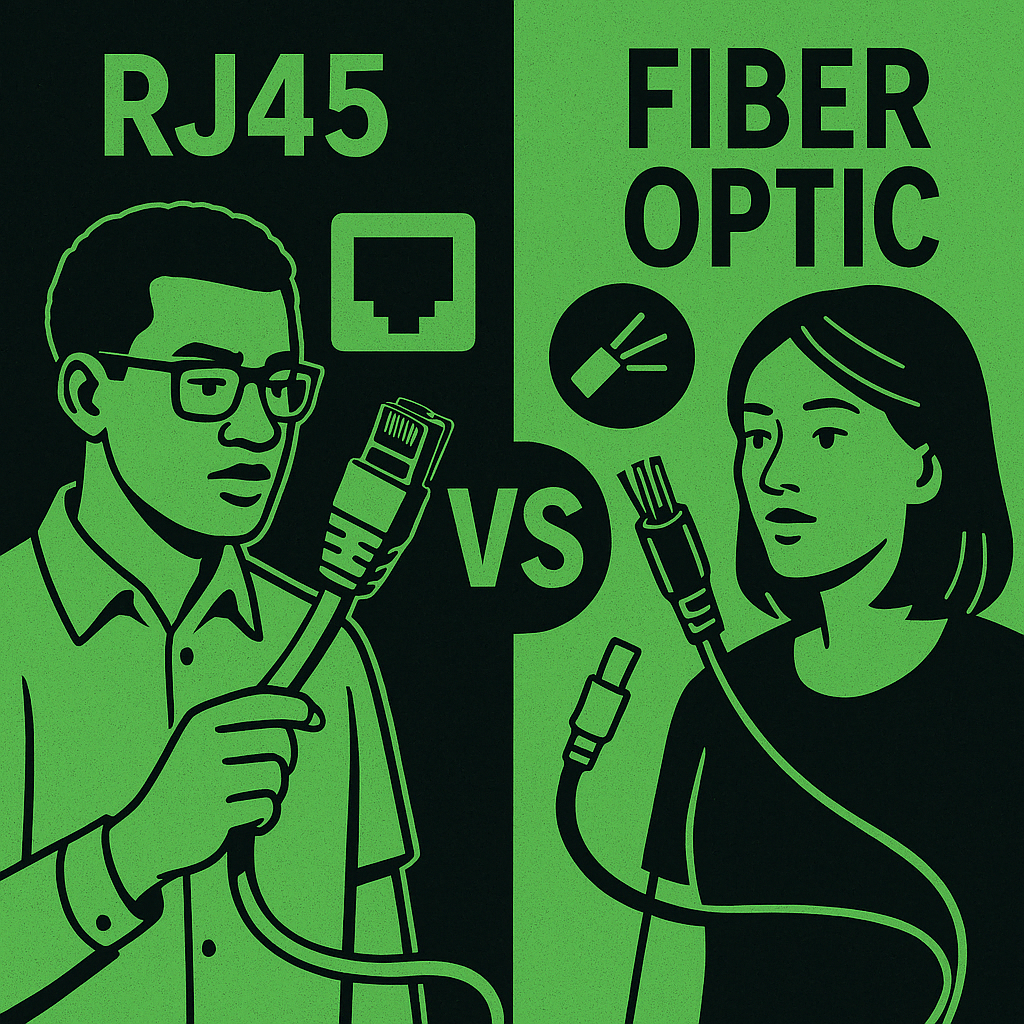
RJ45 Ethernet cabling and fiber optic cabling are two dominant physical media used in networking, each with unique characteristics suited for different scenarios. RJ45 uses twisted-pair copper wires terminated with an 8P8C modular connector (commonly referred to as RJ45) and is typically deployed in LAN environments. Ethernet standards like Cat5e, Cat6, and Cat6a support speeds…
-
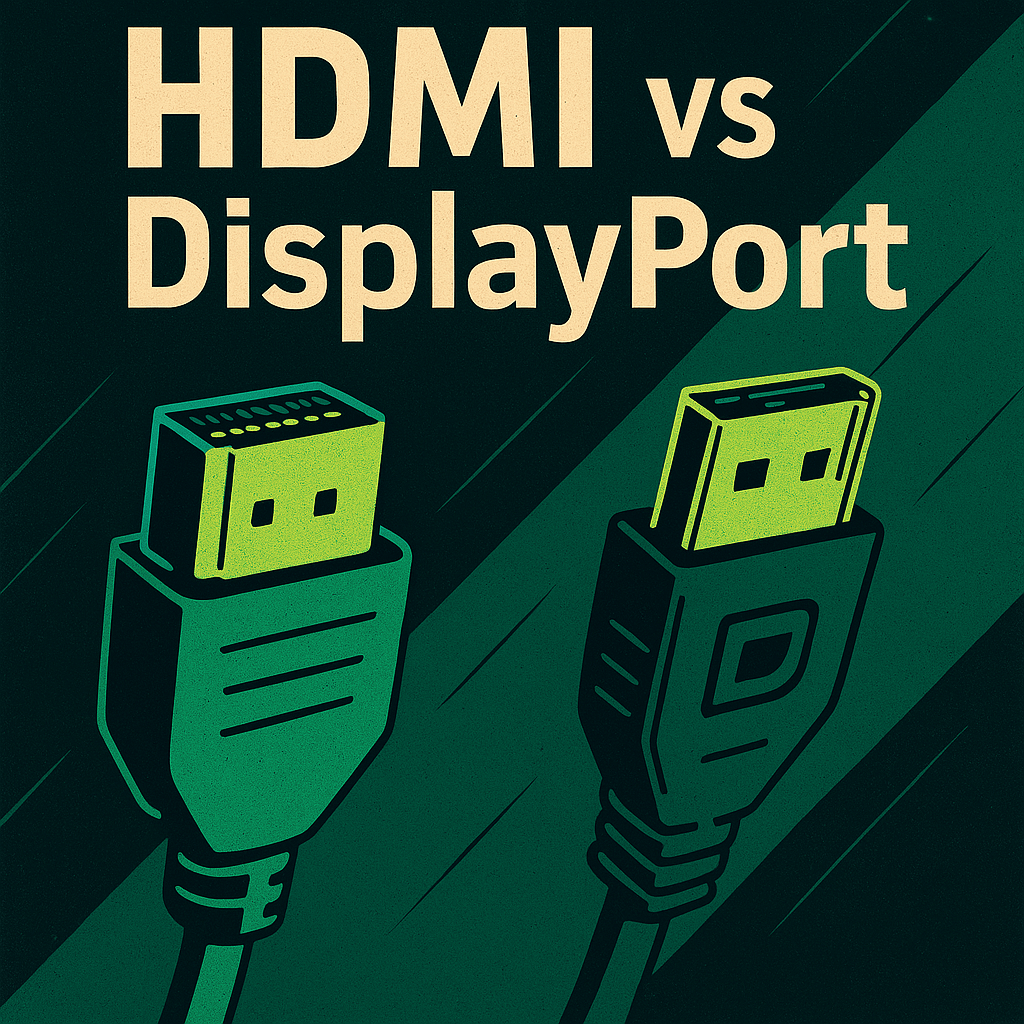
HDMI (High-Definition Multimedia Interface) and DisplayPort are two widely adopted digital display interfaces, but they are optimized for different environments. HDMI is the standard for consumer electronics, including TVs, projectors, game consoles, and media players. It supports both audio and video in a single cable and includes features like CEC (Consumer Electronics Control) and ARC…
-

VGA (Video Graphics Array) and DisplayPort are two video output standards used to connect computers to monitors or projectors, but they differ drastically in technology, image quality, and capability. VGA, introduced in the late 1980s, is an analog interface that supports resolutions up to 1920×1080, but often suffers from signal degradation over long cable runs.…
-

Social media has ignited a new wave of debate over the authenticity and origin of luxury goods, as users allege that many high-end fashion brands are manufacturing their products in China before relabeling them as “Made in Italy” or “Made in France.” The criticism reemerged as global trade tensions intensify under President Trump’s new tariff…
-

SSD (Solid-State Drive) and eMMC (embedded Multi Media Card) are both forms of flash memory, but they differ significantly in performance, upgradability, and use cases. SSDs are standalone storage devices used in laptops, desktops, and servers, often connected via SATA, PCIe, or NVMe interfaces. They offer high read/write speeds, long lifespan, and come in capacities…
-
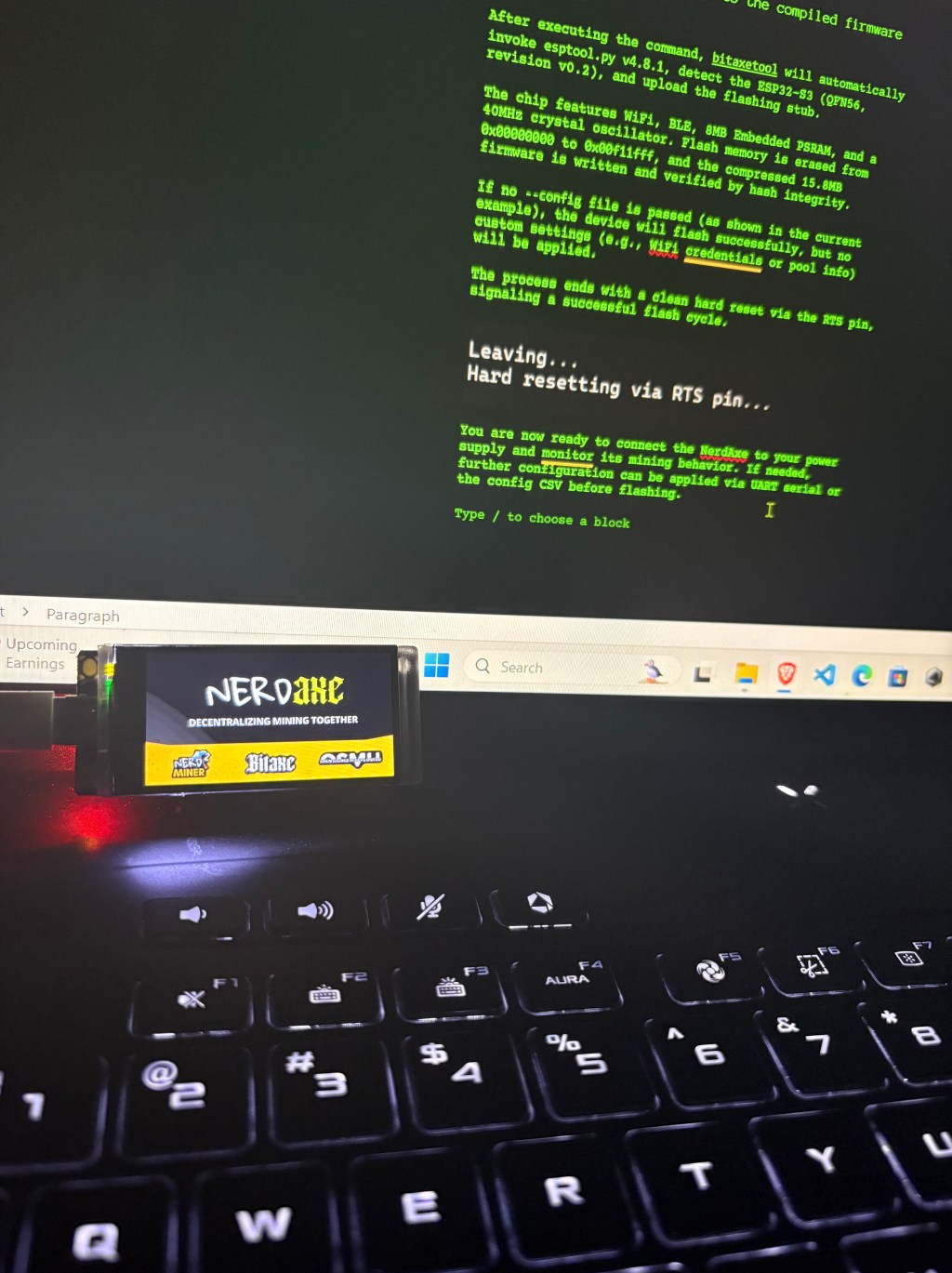
Esptool.py is a Python-based utility created by Espressif for flashing firmware onto ESP8266 and ESP32 chips. It operates cross-platform—working on Windows, Linux, and macOS—and is executed from the command line using Python. Although its name ends in .py, users interact with it using simple terminal commands, not actual Python code. The command-line arguments passed to…
-

Peripherals are external devices that connect to a computer to extend its input, output, or storage capabilities. They fall into three main categories: input devices, output devices, and input/output (I/O) devices. Common input peripherals include keyboards, mice, trackpads, scanners, microphones, and webcams. These devices allow users to enter data, control the system, and capture images…
-
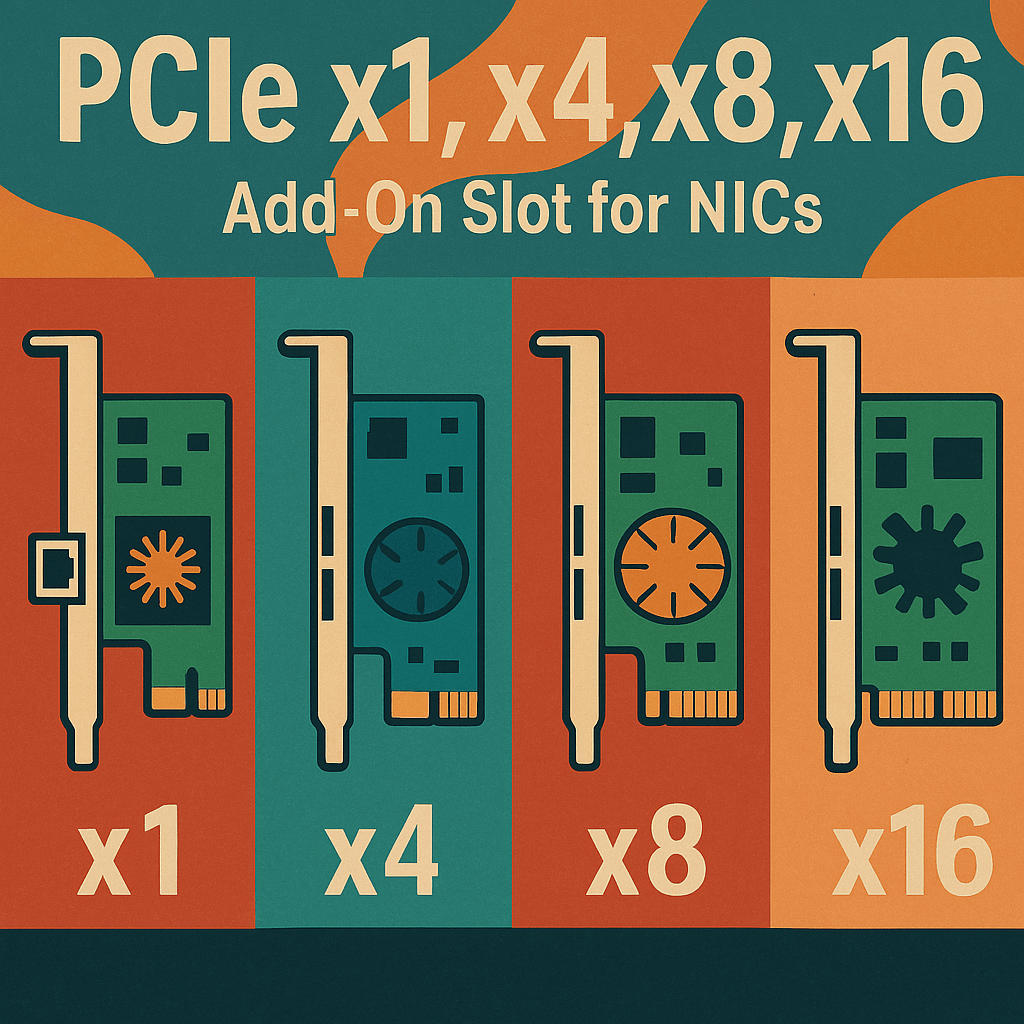
PCI Express (PCIe) is the industry-standard high-speed interface used to connect add-on components—like network interface cards (NICs)—to a computer’s motherboard. For NICs, PCIe offers dedicated data lanes to the CPU or chipset, ensuring low-latency, high-throughput, and scalable bandwidth. PCIe slots are designated by their lane count: x1, x4, x8, and x16. Each lane consists of…

