Tech Docs
-
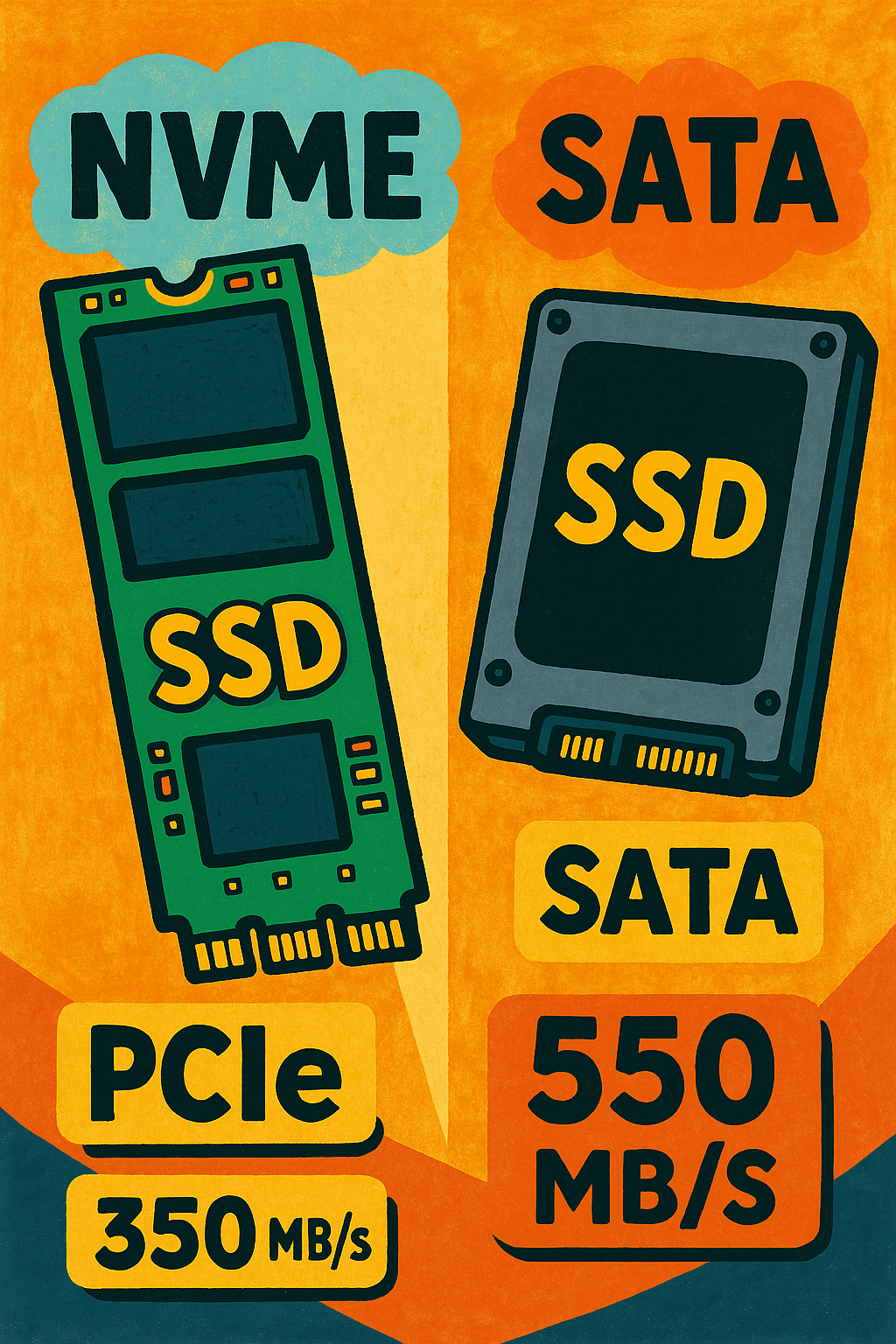
NVMe (Non-Volatile Memory Express) and SATA (Serial ATA) are two types of interfaces used to connect SSDs to a system, and while both offer significant advantages over traditional HDDs, their performance differences are critical. SATA SSDs, which use the older AHCI protocol and connect via the SATA III interface, typically max out at 550 MB/s…
-

Storage drive problems can cause system crashes, data loss, and performance degradation. Symptoms may include the system failing to boot, slow file access, corrupted files, or frequent read/write errors. Initial troubleshooting begins by checking physical connections such as SATA, NVMe, or power cables, and confirming that the drive is detected in BIOS or UEFI. For…
-

The Dynamic Host Configuration Protocol (DHCP) is a network service used to automatically assign IP addresses and other configuration information—such as the subnet mask, default gateway, and DNS servers—to client devices on a network. This removes the need for manual IP configuration and helps avoid conflicts caused by duplicate IPs. DHCP is essential for managing…
-
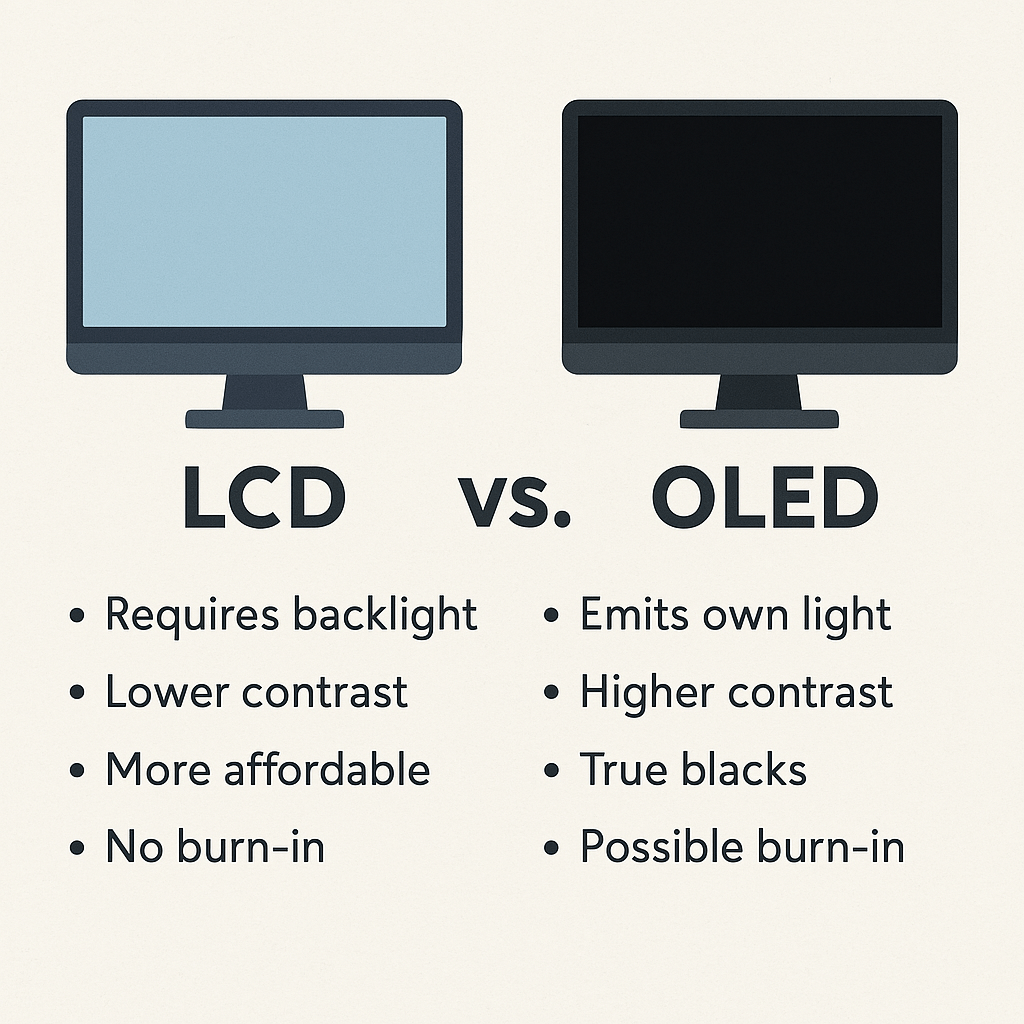
LCD (Liquid Crystal Display) and OLED (Organic Light Emitting Diode) technologies are two widely used screen types in modern devices, each with distinct characteristics. LCDs require a backlight to illuminate pixels, which means blacks can appear grayish, but they offer consistent brightness and are generally more affordable. OLED displays, on the other hand, emit their…
-
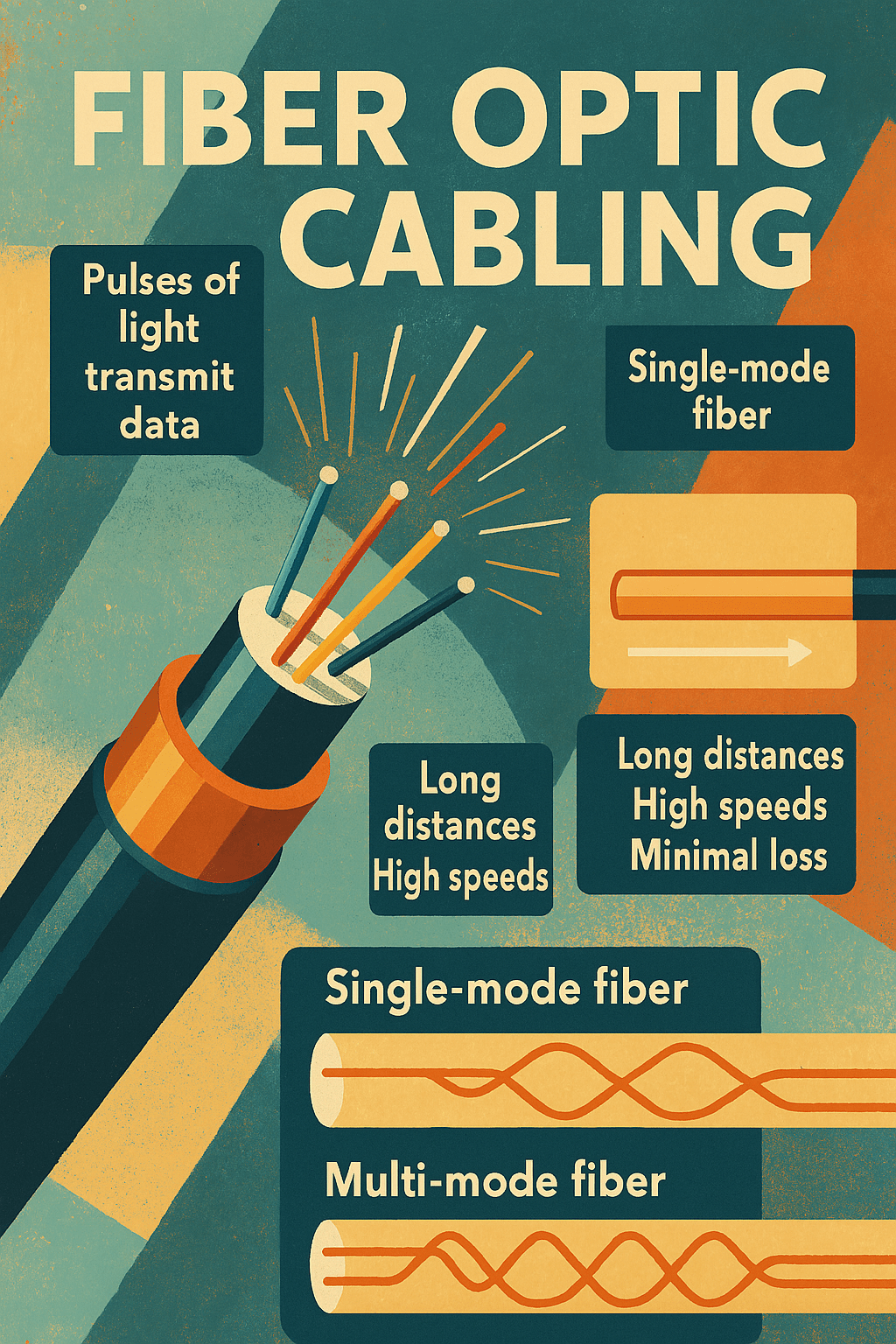
Fiber optic cabling is a high-speed transmission medium that uses pulses of light instead of electrical signals to carry data over glass or plastic strands. It supports far greater bandwidth and significantly longer transmission distances than copper cabling, making it essential for enterprise backbones, internet service providers, data centers, and long-haul telecommunications. Two core types…
-
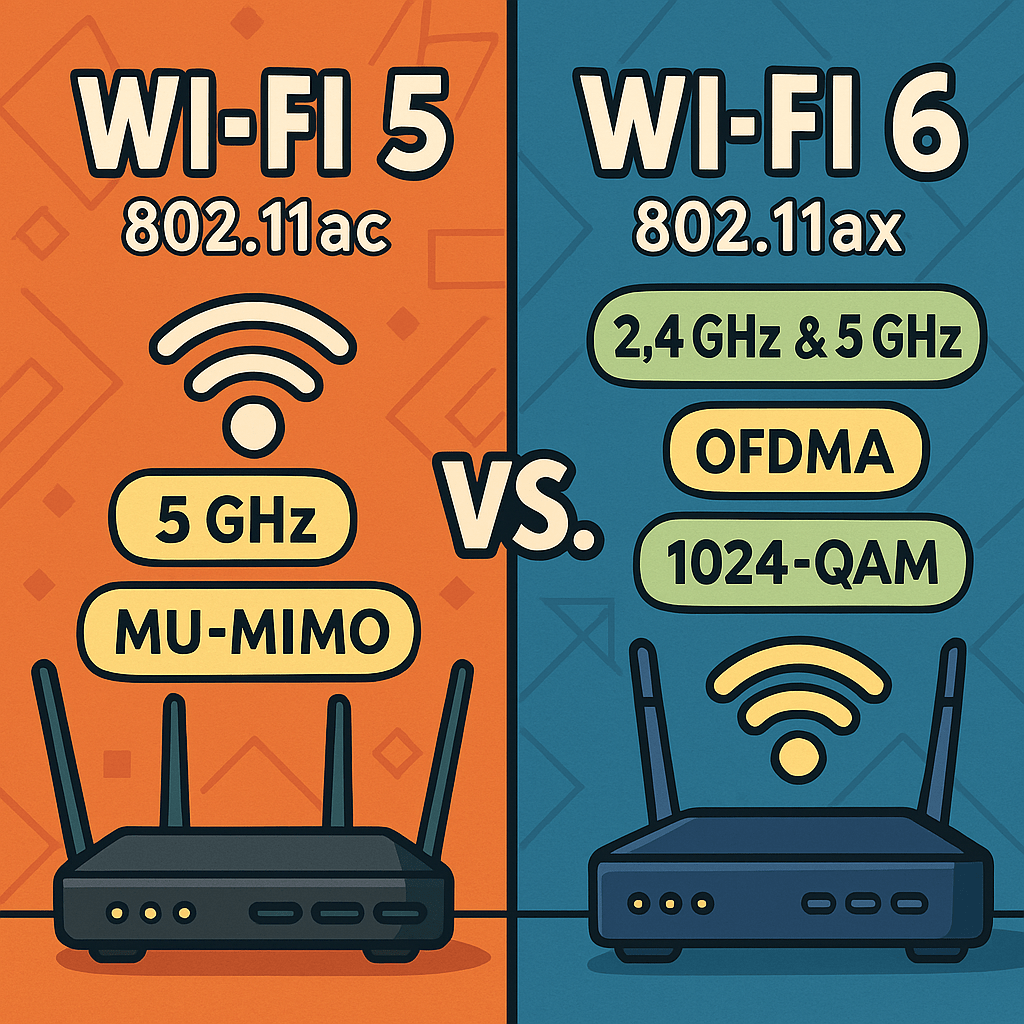
Wi-Fi 5 (802.11ac) and Wi-Fi 6 (802.11ax) are two prevalent standards that IT professionals should be familiar with. Wi-Fi 5 (802.11ac): Wi-Fi 5, introduced in 2013, operates exclusively on the 5 GHz frequency band. It brought significant improvements over its predecessor, 802.11n, by offering higher data rates and enhanced performance. The standard supports channel widths…
-
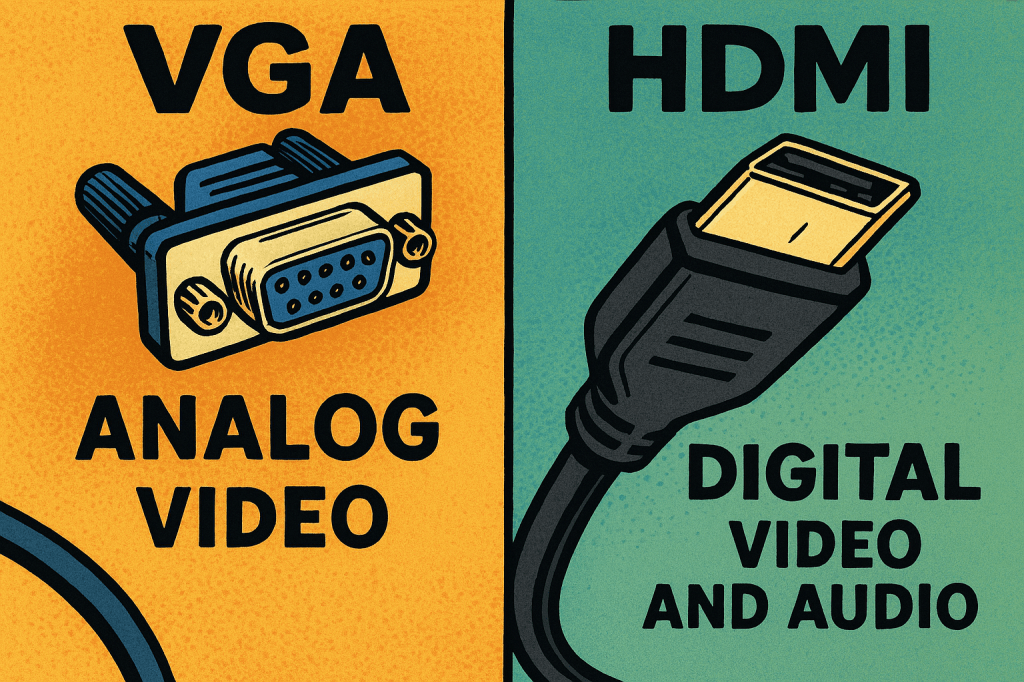
VGA (Video Graphics Array) and HDMI (High-Definition Multimedia Interface) are both used to connect displays to computers, but they differ in signal type, quality, and capabilities. VGA is an older analog interface introduced in the late 1980s that transmits video only. It uses a 15-pin D-sub connector and is prone to signal degradation over long…
-

External storage devices, like USB flash drives, external hard drives (HDDs), and portable solid-state drives (SSDs), are essential tools for storing and transferring data. USB flash drives are compact, portable, and often used for quick file sharing between devices, with capacities ranging from 4GB to 2TB. External HDDs, such as the WD My Passport, offer…
-

Mobile device issues are diverse and may involve power problems, unresponsive screens, charging failures, or connectivity issues. The first step is verifying the basics—does the device power on, is the battery charged, and is the power adapter functioning correctly? A common issue is a dead battery or a faulty charging cable, which can easily be…
-
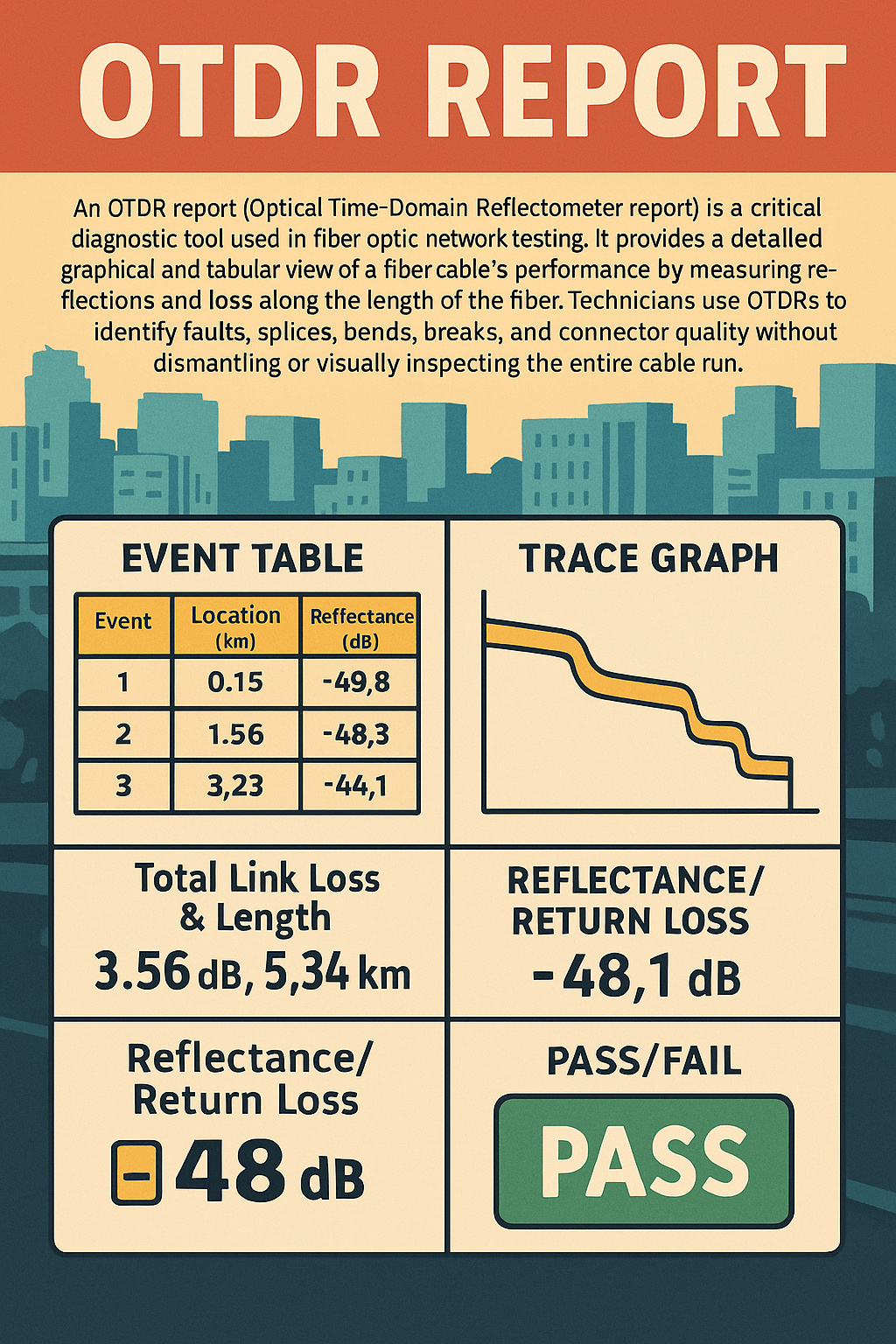
An OTDR report (Optical Time-Domain Reflectometer report) serves as a vital tool for technicians working with fiber optic networks by offering a non-intrusive method to assess fiber integrity. OTDRs send a series of light pulses down the fiber and measure the light that is reflected back due to scattering or changes in the fiber medium,…
-
Wi-Fi 5, also known by its IEEE standard 802.11ac, was introduced in 2013 and became the dominant wireless standard for high-speed consumer and enterprise networking. Operating exclusively on the 5 GHz frequency band, Wi-Fi 5 offered major improvements over its predecessor, 802.11n (Wi-Fi 4), by introducing wider channels (up to 160 MHz), MU-MIMO (Multi-User, Multiple…
-
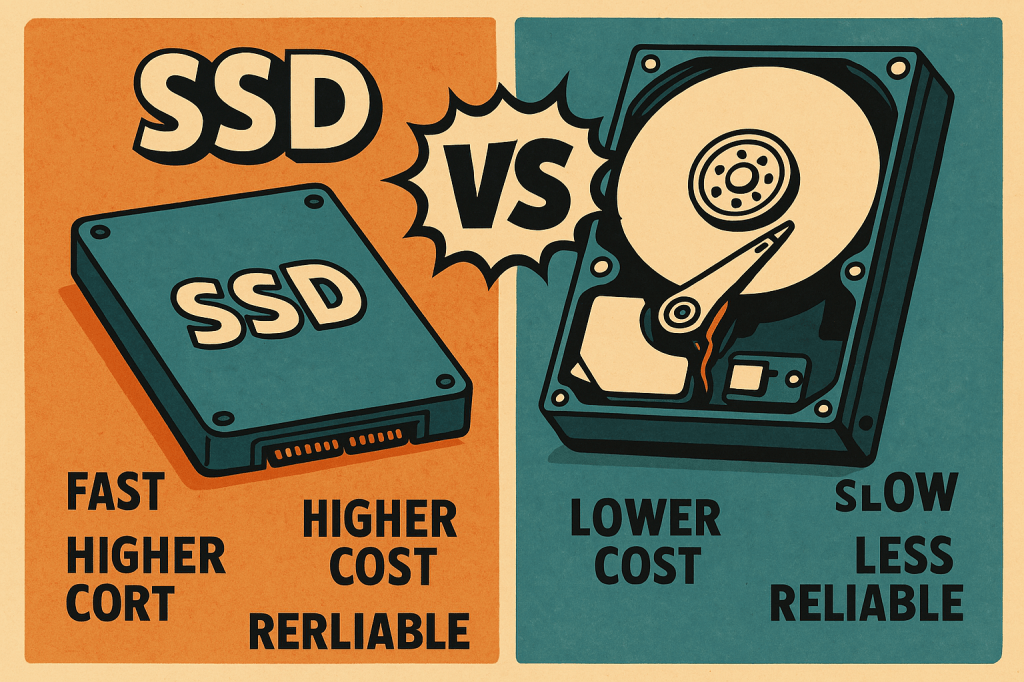
Solid-State Drives (SSDs) and Hard Disk Drives (HDDs) are two primary forms of internal and external storage used in desktops, laptops, and servers, each with distinct characteristics. SSDs store data on flash memory chips, offering lightning-fast read/write speeds, lower latency, and greater durability due to the absence of moving parts. They’re ideal for operating systems,…

