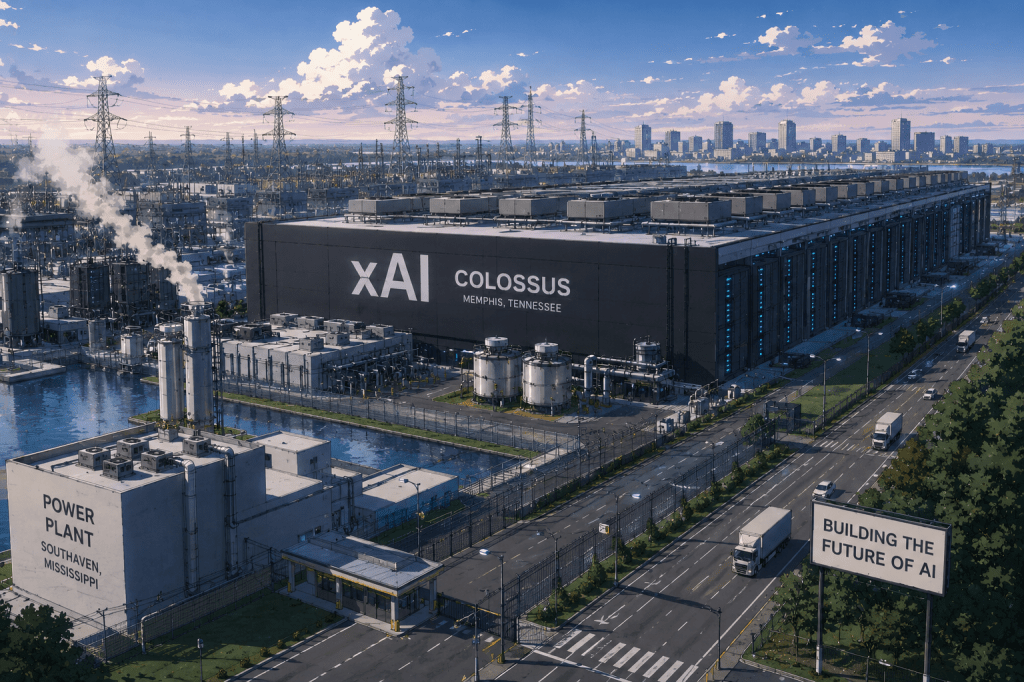
Data centers have become one of the most debated pieces of modern infrastructure. Critics often focus on electricity consumption, land use, and local development, but it’s important to remember what these facilities actually do.
Every photo uploaded to social media, every cloud document, every AI prompt, every streaming movie, every online purchase, and nearly every website visit ultimately relies on physical servers operating inside data centers. Without them, the modern internet simply would not exist.
If you own a smartphone, use social media, stream videos, work remotely, back up your files to the cloud, or use artificial intelligence, you’re already relying on data centers every day. The internet isn’t “stored in the cloud;” It’s stored inside highly engineered facilities filled with servers, networking equipment, electrical infrastructure, cooling systems, and backup power. The cloud is simply someone else’s computer operating inside a data center.
That doesn’t mean every proposed data center belongs in every neighborhood. Communities should continue asking questions about power availability, water use, environmental impacts, traffic, and responsible development. Those conversations are healthy. But opposing all data centers while continuing to depend on internet services creates an obvious contradiction. Modern digital infrastructure requires physical infrastructure.
Many of the largest data center campuses are intentionally built in industrial parks or rural areas where land, electrical infrastructure, and transmission capacity can support large-scale operations. These projects also create construction jobs, long-term technical careers, and significant investment in local electrical infrastructure. While each project affects its host community differently, responsible planning remains essential to balancing economic development with local concerns.
Calls for blanket moratoriums on data centers are unlikely to eliminate demand for digital infrastructure. As artificial intelligence, cloud computing, and online services continue expanding, the need for computing capacity will grow alongside them. The discussion is shifting from whether data centers should exist to where and how they should be built responsibly.
The reality is simple: if society wants artificial intelligence, cloud computing, online banking, streaming services, remote work, and social media, it also needs the infrastructure that makes those services possible. Data centers may not always be popular, but they remain one of the most important pieces of infrastructure powering the digital economy.
BitcoinVersus.Tech Editor’s Note:
We volunteer daily to ensure the credibility of the information on this platform is Verifiably True. If you would like to support to help further secure the integrity of our research initiatives, please donate here: 3C9o19EH5HSiwEPyCTmEKzxhNCbo2X6TTb
BitcoinVersus.tech is not a financial advisor. This media platform reports on financial subjects purely for informational purposes.


Leave a Reply