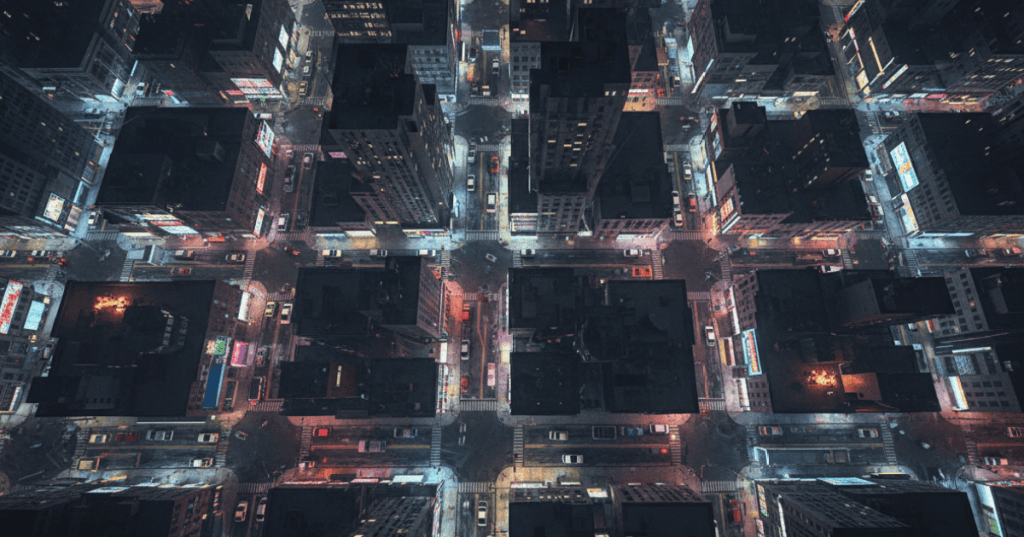
Grand Theft Auto 2 has received a graphics overhaul that would have sounded impossible when the top-down game arrived in 1999. The open-source GTA2 RTX Remix project adds an RTX Remix-compatible Direct3D 9 renderer, allowing the game to use modern path-traced lighting while preserving its original overhead structure.
The project generates dynamic lights from in-game events including explosions, fires and gunfire, adds emissive maps to selected textures, supports a dynamic time-of-day system through Remix Plus and fixes the game for full 16:9 presentation. Its documentation also says 60 FPS is possible through frame generation rather than claiming that every system will hold that rate natively.
Tom’s Hardware reports that the modder built a custom graphics bridge because GTA 2 predates the Direct3D generation RTX Remix normally targets. That engineering step is what makes this more interesting than a simple texture replacement: a game from the late 1990s is being translated into a rendering path capable of feeding modern lighting reconstruction.
NVIDIA GeForce community manager Jacob Freeman highlighted the project on X, calling out its full path tracing and dynamic time of day. The post helped push a small open-source renderer into the wider PC graphics conversation.
The Renderer Is the Real Story
RTX Remix is most straightforward when an older game already exposes the kind of fixed-function graphics calls the toolchain can intercept. GTA 2 sits on the wrong side of that compatibility line, so the project had to create a Direct3D 9 rendering layer before Remix could do its work. The repository builds two DLLs for the renderer and video-device shim, then combines those with the Remix runtime.
Once that bridge exists, the lighting model can react to the game instead of simply painting over it. Headlights, weapons, explosions and environmental light sources can affect the scene dynamically. The result is still recognizably GTA 2, but its night streets can now carry reflected light, brighter emissive surfaces and far more dramatic contrast.
Old Games Are Becoming Graphics Laboratories
The GTA 2 experiment fits a wider trend in PC gaming: old software is becoming a test bed for rendering techniques that did not exist when the games shipped. BitcoinVersus.Tech recently covered The Witcher 3 Remastered and its path-tracing upgrade, showing how lighting technology can become a reason to revisit an established game rather than build an entirely new one.
The same graphics race is visible in new releases. Modern Warfare 4 is bringing ray tracing across its PC modes, while developers are also attacking the pipeline problems around modern rendering. Gears of War: E-Day uses Microsoft’s Advanced Shader Delivery to cut shader compilation.
GTA2 RTX Remix connects those two eras. Instead of rebuilding the entire game, the project inserts a modern renderer between decades-old game logic and a contemporary GPU pipeline. That makes the mod valuable beyond nostalgia: it is a compact demonstration of how compatibility layers, open-source engineering and GPU reconstruction can extend the technical life of old games.
The project remains an unofficial community modification, not a Rockstar remaster. But that distinction is part of the appeal. A single open-source effort has turned a 1999 top-down game into a live experiment in path tracing, frame generation and graphics translation—without changing the core game into something else.
BitcoinVersus.Tech
Advertisement
Editor’s Note
We volunteer daily to ensure the credibility of the information on this platform is Verifiably True. If you would like to support to help further secure the integrity of our research initiatives, please donate here: 3C9o19EH5HSiwEPyCTmEKzxhNCbo2X6TTb
BitcoinVersus.tech is not a financial advisor. This media platform reports on financial subjects purely for informational purposes.


Leave a Reply