A contractor linked to Super Micro Computer has pleaded guilty in a federal case over the diversion of advanced AI servers containing NVIDIA accelerators to China, turning one of 2026’s largest AI-hardware export-control cases from an indictment into a conviction for one defendant.
Reuters reported on October 9 that Ting-Wei “Willy” Sun entered a guilty plea in federal court in Manhattan to four counts, including conspiracies involving U.S. export controls, smuggling, defrauding the United States, and obstruction of justice. The broader case centers on an alleged scheme involving roughly $2.5 billion worth of high-performance AI servers.
The Case Is About Complete AI Servers, Not Just Loose GPUs
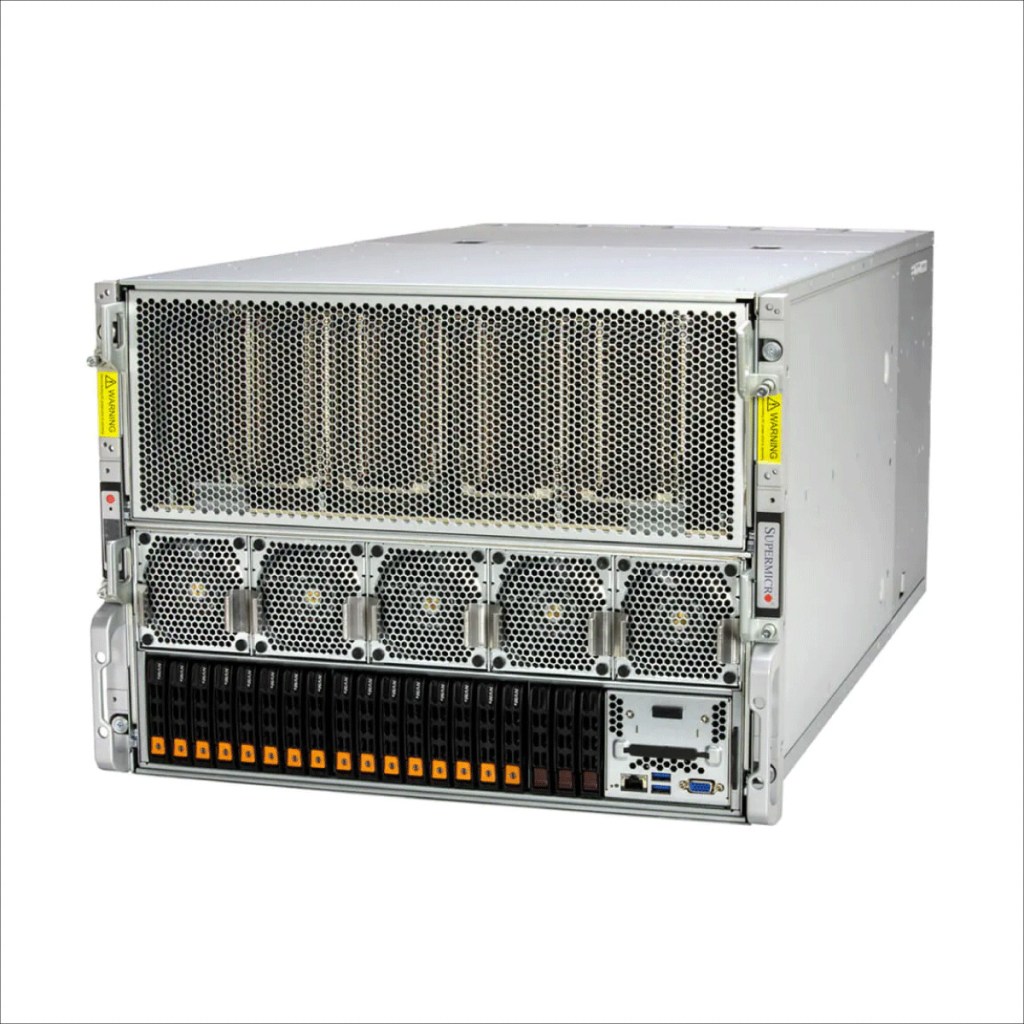
The distinction matters. Modern AI infrastructure is not built from GPUs in isolation. A high-end server combines accelerators, CPUs, networking, memory, storage, power delivery, cooling, firmware, and management hardware into a system that can be deployed directly into a data center. BitcoinVersus has recently covered how Supermicro is shipping NVIDIA Vera Rubin NVL72 racks and how Cisco added Supermicro rack-scale systems to its NVIDIA AI Factory architecture.
That systems-level value is one reason export controls increasingly apply not only to individual accelerators but also to servers containing controlled GPUs. According to the Justice Department’s March indictment, the hardware at issue included advanced AI accelerator technology subject to U.S. licensing requirements for transfers to China and Hong Kong.
Prosecutors Alleged a Pass-Through Company and Dummy Servers
The Justice Department’s March 2026 indictment alleged that Sun, Yih-Shyan “Wally” Liaw, Ruei-Tsang “Steven” Chang, and others used a company in Southeast Asia as an apparent end customer for U.S.-made servers that were ultimately destined for buyers in China.
Prosecutors alleged that the operation became increasingly elaborate. The indictment describes false records, repackaging, concealed end customers, encrypted communications, and thousands of staged “dummy” servers intended to make audits and inspections appear legitimate after real equipment had allegedly been diverted elsewhere.
The government said the pass-through company purchased about $2.5 billion in servers between 2024 and 2025. The indictment further alleged that at least about $510 million worth of servers were diverted to China during a several-week period in spring 2025.
Why H100, H200, and B200-Class Hardware Matters
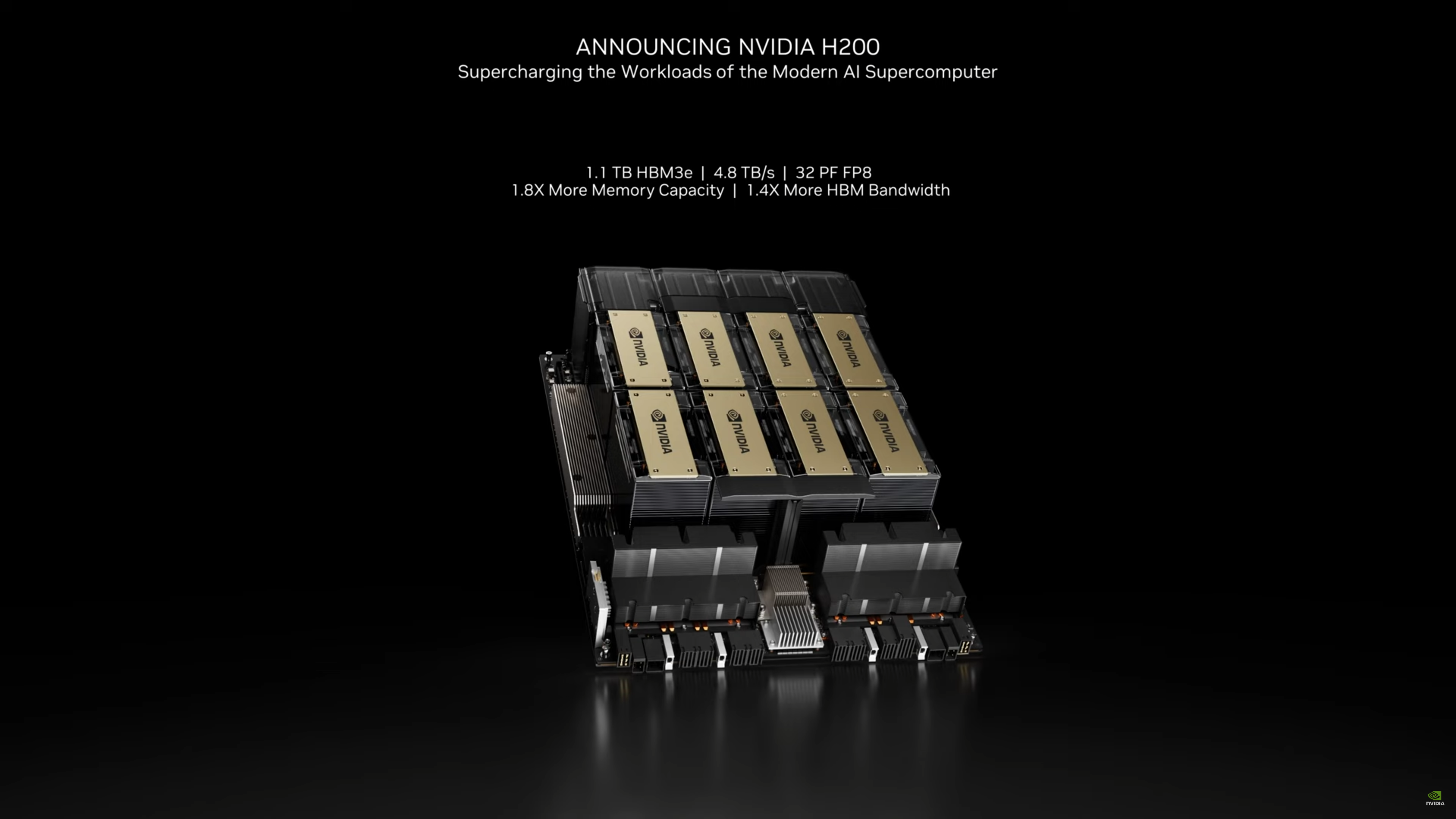
Reuters reported that the case involves systems containing advanced NVIDIA GPUs including the H100, H200, and B200 families. These accelerators sit near the center of modern AI training and inference clusters because they combine enormous parallel compute throughput with high-bandwidth memory and high-speed interconnects.
The economic stakes have risen along with GPU capability. BitcoinVersus recently examined how Wall Street is building loans, insurance, and futures around NVIDIA GPUs. When a single rack can represent millions of dollars of compute infrastructure, controlling where those systems physically end up becomes a supply-chain, finance, and national-security issue at the same time.
Sun’s Guilty Plea Changes His Legal Position—not Everyone Else’s
Sun’s plea is a major development because his own case is no longer merely at the accusation stage. But the March indictment’s allegations involving the other named defendants remain allegations unless and until those cases are resolved through pleas or verdicts.
Super Micro itself is not a defendant in the criminal case. Reuters reported that the company said the matter has not affected its operations and that it had already cut ties with the individuals implicated in the case. That distinction is important because a criminal case involving employees, former personnel, contractors, or business partners does not automatically establish corporate criminal liability.
Export Enforcement Is Becoming Part of AI Infrastructure Operations
The case shows why AI infrastructure companies increasingly need export compliance to function like a technical control plane rather than a paperwork exercise. Serial numbers, shipment records, customer identities, end-use certifications, warehouse inventories, remote attestation, and reseller chains can all become part of the evidence trail when controlled hardware moves through multiple jurisdictions.
For data-center operators and server vendors, that means physical logistics now matter almost as much as network security. A cluster can be technically secure yet still create legal exposure if restricted hardware is rerouted through a reseller, mislabeled end user, or pass-through company. The more expensive and strategically important the hardware becomes, the more compliance systems must be designed to verify where machines actually go.
The Bigger Story Is the Global Market for AI Compute
Demand for advanced GPUs has turned AI compute into an asset class, an infrastructure bottleneck, and now a major enforcement target. The same servers that power frontier model training can also represent hundreds of millions of dollars in strategic computing capacity when moved in volume.
Sun’s guilty plea does not settle every allegation in the broader case, but it does demonstrate that the enforcement fight over AI accelerators is no longer theoretical. As governments tighten controls and AI clusters become larger, the movement of servers across borders is becoming part of the architecture of the AI race itself.
BitcoinVersus.Tech Editor’s Note: This article distinguishes Sun’s guilty plea from allegations that remain pending against other defendants. Super Micro Computer is not charged as a defendant in the case discussed here.
Support independent BitcoinVersus.Tech reporting with Bitcoin: 3C9o19EH5HSiwEPyCTmEKzxhNCbo2X6TTb
BitcoinVersus.Tech is not a financial advisor. This article is for informational and educational purposes.


Leave a Reply