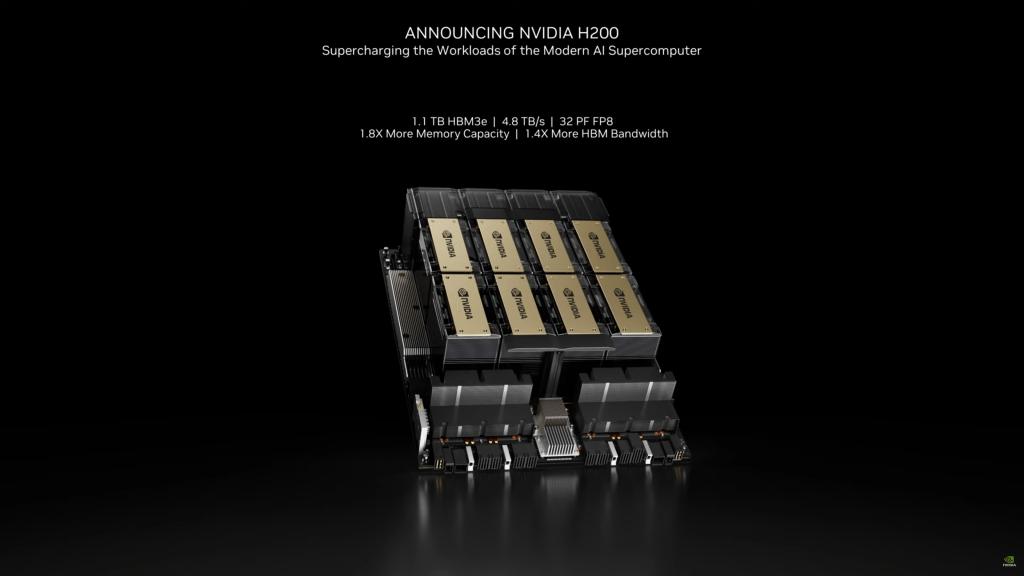
About 600,000 Nvidia H200 artificial-intelligence processors are being held in Hong Kong while Chinese authorities withhold permission for large-scale imports, Reuters reported November 5, citing two people familiar with the matter. The inventory estimate has not been independently confirmed by Nvidia, Chinese regulators or customers. The reported bottleneck illustrates how export licensing and import restrictions can constrain AI computing supply even when buyers want the hardware.
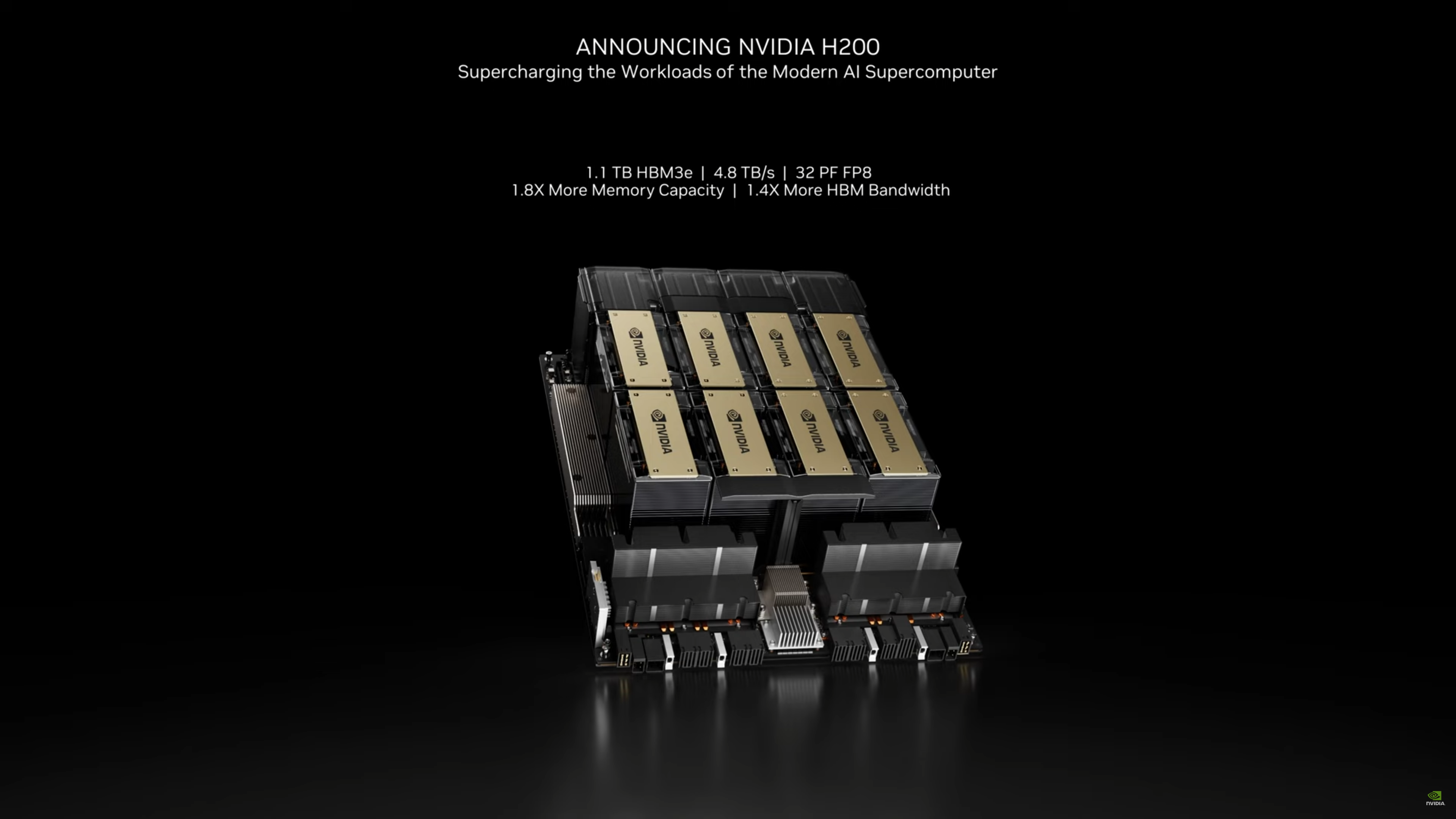
The H200 is an accelerator designed for demanding AI training and inference workloads. Its high-bandwidth memory and Nvidia software ecosystem make it attractive to organizations building large model-training clusters. Although newer Blackwell-generation products exist, an H200 cluster remains useful for compute-intensive applications. The chip’s technical relevance does not establish that every reported unit has a committed buyer.
U.S. licenses do not guarantee Chinese imports
Washington’s Bureau of Industry and Security changed its review policy for eligible H200 exports to China and Macau in January 2026, replacing a presumption of denial with case-by-case consideration subject to conditions. Export approval from the United States does not override Beijing’s separate import controls. The Federal Register rule requires specified security, supply and independent testing assurances.
Nvidia acknowledged the commercial consequences in its fiscal 2027 second-quarter filing. The company reported a $400 million H200 charge associated with excess inventory and purchase obligations and said Chinese restrictions had prevented it from selling all products covered by U.S. licenses. Those disclosures confirm commercial friction, but they do not independently substantiate Reuters’ newly reported Hong Kong inventory count.
Limited deliveries and rising unofficial prices
Reuters said some Chinese internet companies had each received approximately 10,000 H200 processors in recent months. The report also described smaller shipments through intermediaries, without establishing the total quantity or legality of individual transactions. China’s Ministry of Industry and Information Technology, National Development and Reform Commission and Nvidia did not respond to Reuters’ requests for comment.
An eight-accelerator H200 server was offered for more than six million yuan, roughly $900,000, by late October, according to a Reuters source. An offer is not a verified completed sale or a standardized market price. High quoted prices can reflect restricted availability, configuration differences and intermediary costs rather than the manufacturer’s list price.
Why the bottleneck matters
China is simultaneously encouraging domestic processors for AI inference, while developers still seek powerful imported accelerators for model training. Earlier BitcoinVersus.Tech coverage examined Huawei’s Ascend software ecosystem and Tencent’s overseas AI computing arrangements. Those approaches demonstrate alternative strategies for obtaining compute capacity, although they are not direct substitutes in every workload.
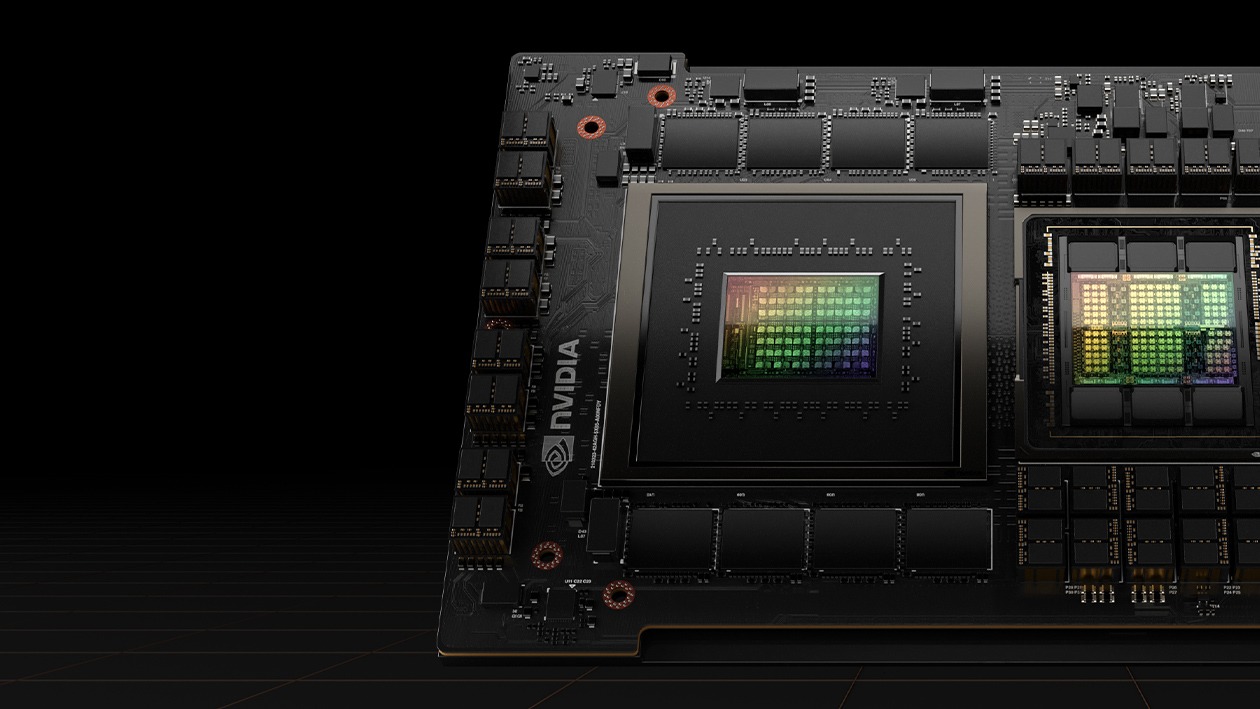
Supply restrictions can also affect system integrators and data-center operators. A processor stockpile is not equivalent to installed capacity: operational clusters additionally require servers, networking, power, cooling and commissioning. Related hardware-diversion enforcement illustrates the importance of tracing supply chains without assuming misconduct in the current inventory report.
The next verifiable milestones are formal Chinese import approvals, Nvidia shipment disclosures and customer deployment evidence. Until then, the approximately 600,000-unit figure should remain attributed to Reuters’ unnamed sources rather than presented as an audited inventory.
BitcoinVersus.Tech Editor’s Note: We volunteer daily to ensure the credibility of the information on this platform is Verifiably True. If you would like to support to help further secure the integrity of our research initiatives, please donate using the QR code provided.

For best QR-code scanning results, scan from a desktop or larger screen. Verify the receiving address 3C9o19EH5HSiwEPyCTmEKzxhNCbo2X6TTb before sending.
Disclaimer: BitcoinVersus.Tech is not a financial advisor. This media platform reports on financial subjects purely for informational purposes.


Leave a Reply