
Cerebras Systems and Oracle announced October 27, 2026 that they plan to offer Cerebras wafer-scale AI inference through Oracle Cloud Infrastructure (OCI) in 2027. The announcement coincided with a new SDxCentral interview in which Cerebras Chief Strategy Officer Andy Hock discussed wafer-scale computing and the changing data center market. The combination offers a timely look at why faster AI inference is becoming an infrastructure priority.
Why wafer-scale computing matters
Most AI systems divide work among many smaller processors. Cerebras instead builds an enormous processor across a silicon wafer, integrating compute and on-chip memory to reduce certain data transfers. That design aims to shorten the time required to generate each token—the pieces of text an AI model produces.
In SDxCentral’s October 27 interview, Hock discusses his career and AI’s impact on data centers. The discussion provides context for the company’s strategy, although the Oracle agreement is independently documented in the companies’ announcements.
Oracle targets faster AI agents
According to Oracle’s announcement and Cerebras’ release, the planned OCI offering targets AI labs, enterprises and developers. Multi-step agents may repeatedly invoke a model to reason, check results and perform actions. Reducing latency at each step could make those workflows more responsive.
The announcement does not specify the quantity of hardware Oracle will deploy or guarantee a launch date. The companies explicitly caution that product features, timing and pricing can change. This is a planned 2027 offering, not evidence that the service is already generally available.
The broader data center picture
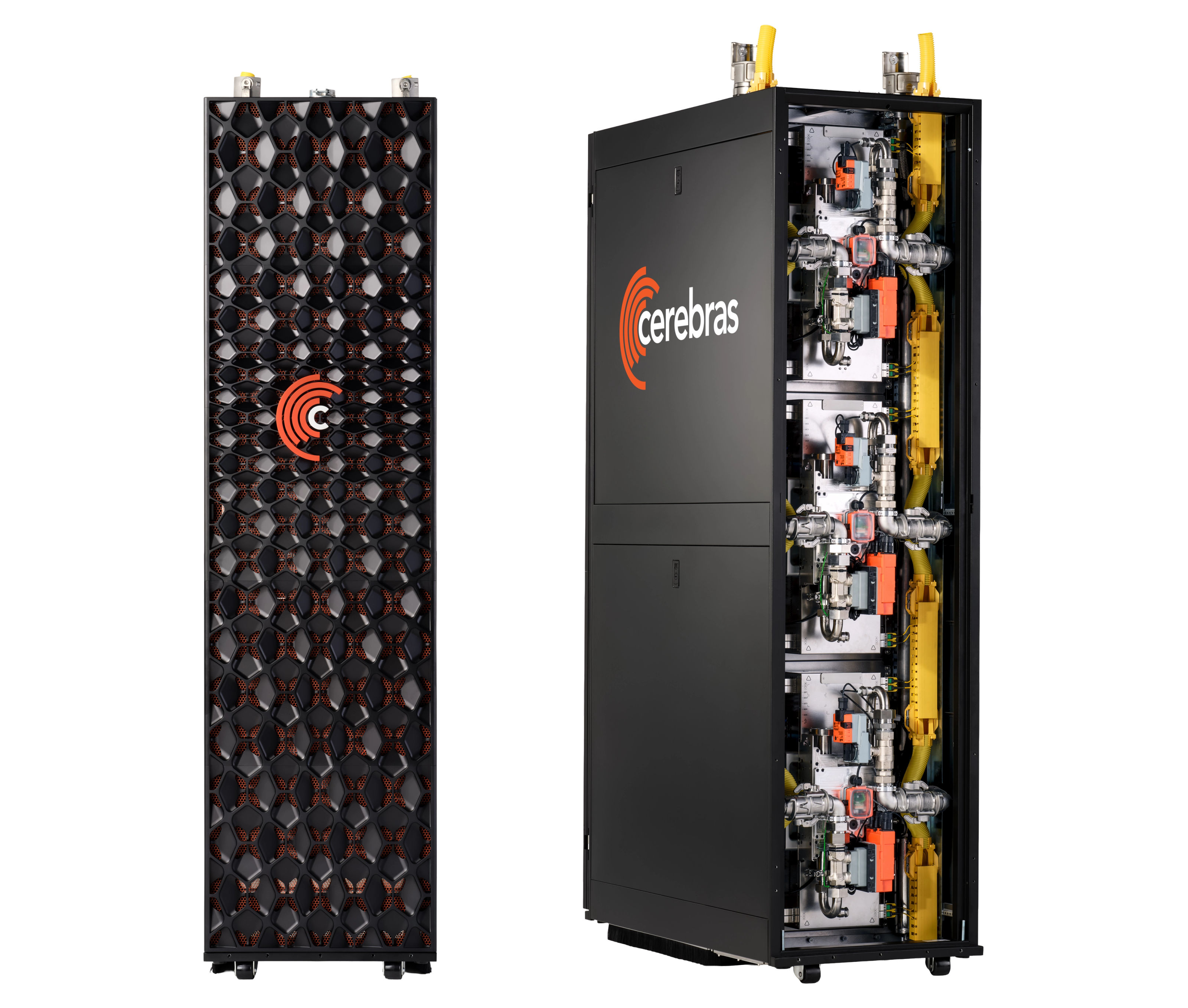
AI infrastructure decisions increasingly involve not only peak computing capacity but also power delivery, cooling, memory bandwidth, networking and response latency. Cerebras’ CS-4 platform illustrates that system-level approach, integrating three wafer-scale processors into a modular rack architecture. The company’s published performance comparisons are workload-dependent claims, not universal speed guarantees.
BitcoinVersus.Tech has previously covered Cerebras’ 100 MW Gimlet agreement, its work with AMD, and the wider AI chip competition. Oracle’s new agreement extends that story into mainstream cloud distribution, where actual deployment, pricing and customer performance will ultimately determine the commercial impact.
Editor’s Note: Independent technology reporting helps readers understand the infrastructure behind AI. Support BitcoinVersus.Tech with a donation of 5,000 sats by scanning the site’s donation QR code.


Leave a Reply