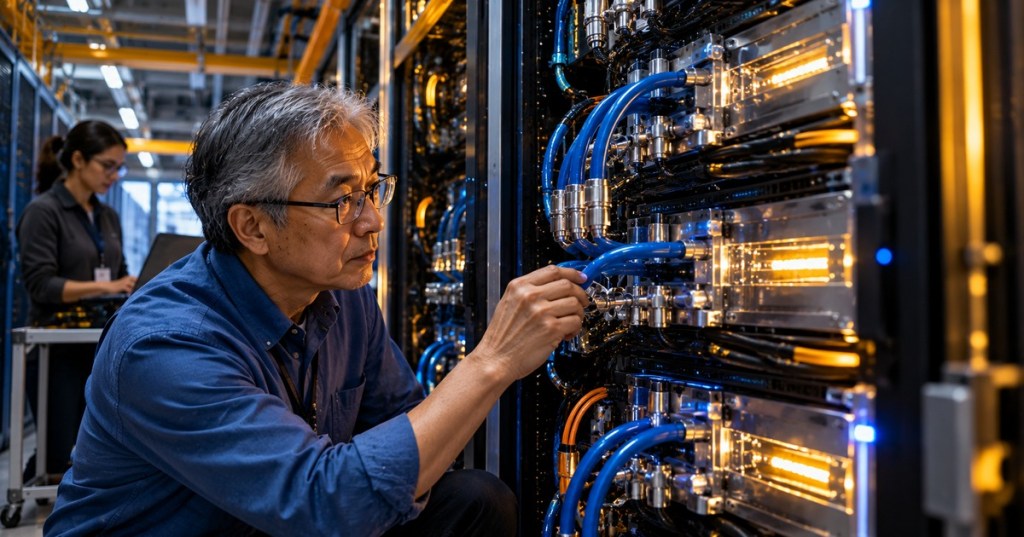
Purdue University announced Thursday, October 29, that it will bring Google-designed Tensor Processing Units into its on-campus research computing system, increasing its artificial intelligence capacity by an estimated 30%. Purdue says the deployment will be the first of its kind offered through a U.S. university campus computing program. Researchers are expected to begin using the equipment in January 2027.
The partnership involves Google Public Sector, computing provider Cirrascale and data-storage company DDN. The accelerators will be integrated into the university’s renovated Mathematical Sciences Building Data Center in West Lafayette, Indiana, giving faculty and students access to AI hardware within Purdue’s existing research computing environment. Purdue has not disclosed the TPU generation, chip count or price of the new installation.
Why Purdue wants Google’s AI chips
Tensor Processing Units are specialized accelerators designed to execute many of the matrix operations used in machine learning. Google originally developed the technology for its own services and has been expanding access to TPU systems beyond its data centers. Purdue plans to use the additional capacity for model training and inference, including projects in robotics, computer vision and advanced manufacturing.
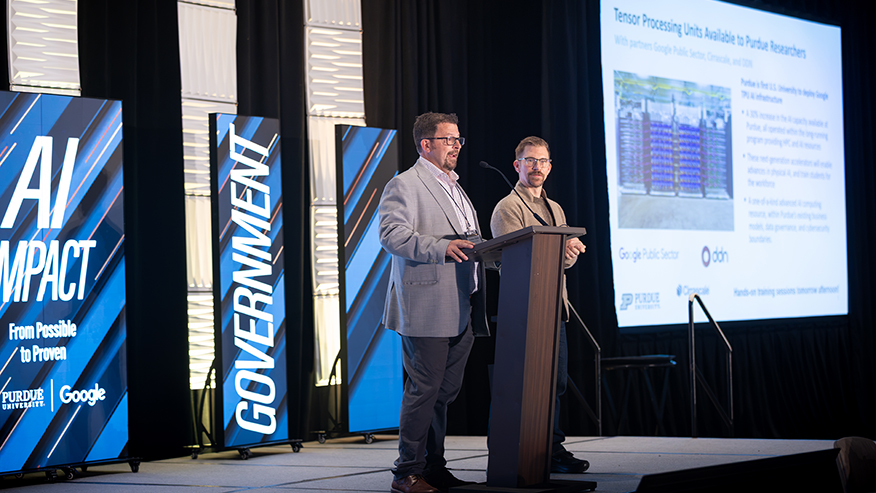
The announcement came at the Purdue–Google AI Impact summit in Indianapolis, where researchers and businesses discussed practical uses for physical AI. Preston Smith, executive director of Purdue’s Rosen Center for Advanced Computing, said keeping these resources on campus gives the university control over research data, security and governance.
The infrastructure behind the new system
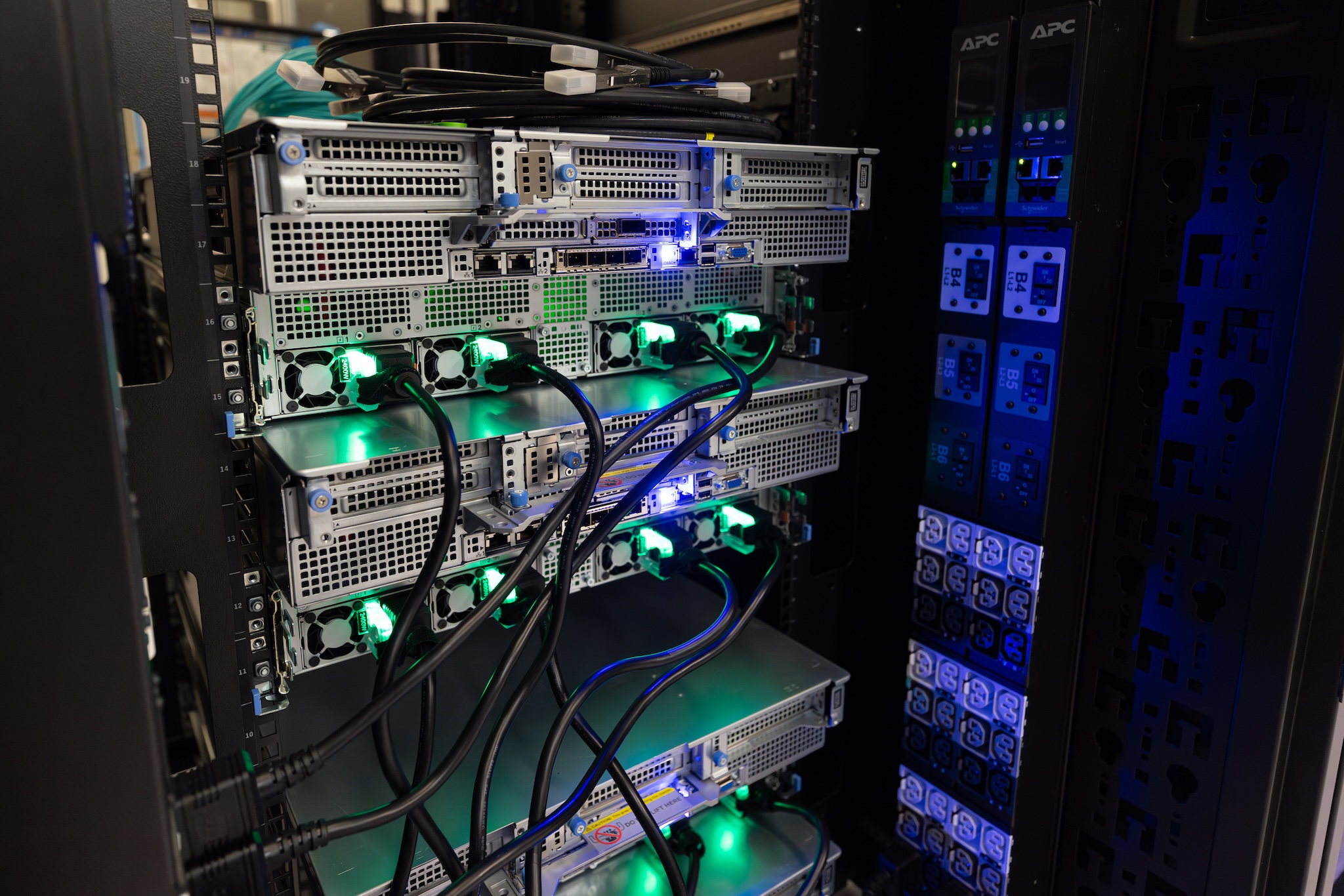
Purdue had already planned a $16 million renovation of its Mathematical Sciences data center, including more usable power, additional floor space and expanded cooling capacity. The university said the renovation was designed to support denser high-performance computing equipment; those facility improvements were separate from Thursday’s TPU announcement.
The move comes as Google increases its push into the wider AI infrastructure market. BitcoinVersus.Tech recently covered Google Cloud’s growing AI infrastructure business and reports of prospective outside TPU customers. Purdue’s project represents a different market: university researchers who need access to significant computing power but also value local governance.
The January 2027 start is a target, not evidence that researchers are already running jobs on the new chips. Its practical success will depend on integration, software compatibility and how much computing time Purdue can provide across its research community.
Editor’s Note: We volunteer daily to ensure the credibility of the information on this platform is Verifiably True. If you would like to support our work and help further secure the integrity of our research initiatives, please scan the QR code below to donate 5,000 sats.

BitcoinVersus.tech is not a financial advisor. This media platform reports on financial subjects purely for informational purposes.


Leave a Reply