
Indiana regulators have approved AES Indiana’s plan to build solar, battery-storage and transmission infrastructure supporting Google’s proposed 390-megawatt data center in Monrovia, southwest of Indianapolis. The Indiana Utility Regulatory Commission authorized the arrangement October 7, 2026, establishing financial protections as electricity demand from large computing campuses accelerates.
AES expects about $1.3 billion in new energy infrastructure investment. The utility says Google will cover the incremental costs of generation, power lines and service required for its campus under a contract lasting at least 15 years. AES projects approximately $770 million in savings for existing customers over the contract’s life, a forecast rather than realized savings.
A 130 MW solar project and three large batteries
The approved resources include the proposed Crosstrack Energy Center in Pike County, combining 130 MW of solar panels with a 130 MW, 520 MWh battery. A separate 200 MW, 800 MWh battery at Foundry Works in Lake County and a 130 MW, 520 MWh battery at Hardy Hills in Clinton County complete the planned storage portfolio.
Together, the batteries represent 460 MW of discharge capacity and 1,840 MWh of stored energy at their stated design ratings. That is different from 390 MW of data-center electricity demand: batteries shift power through time but do not generate it. The solar array also cannot independently supply a 390 MW computing load around the clock.
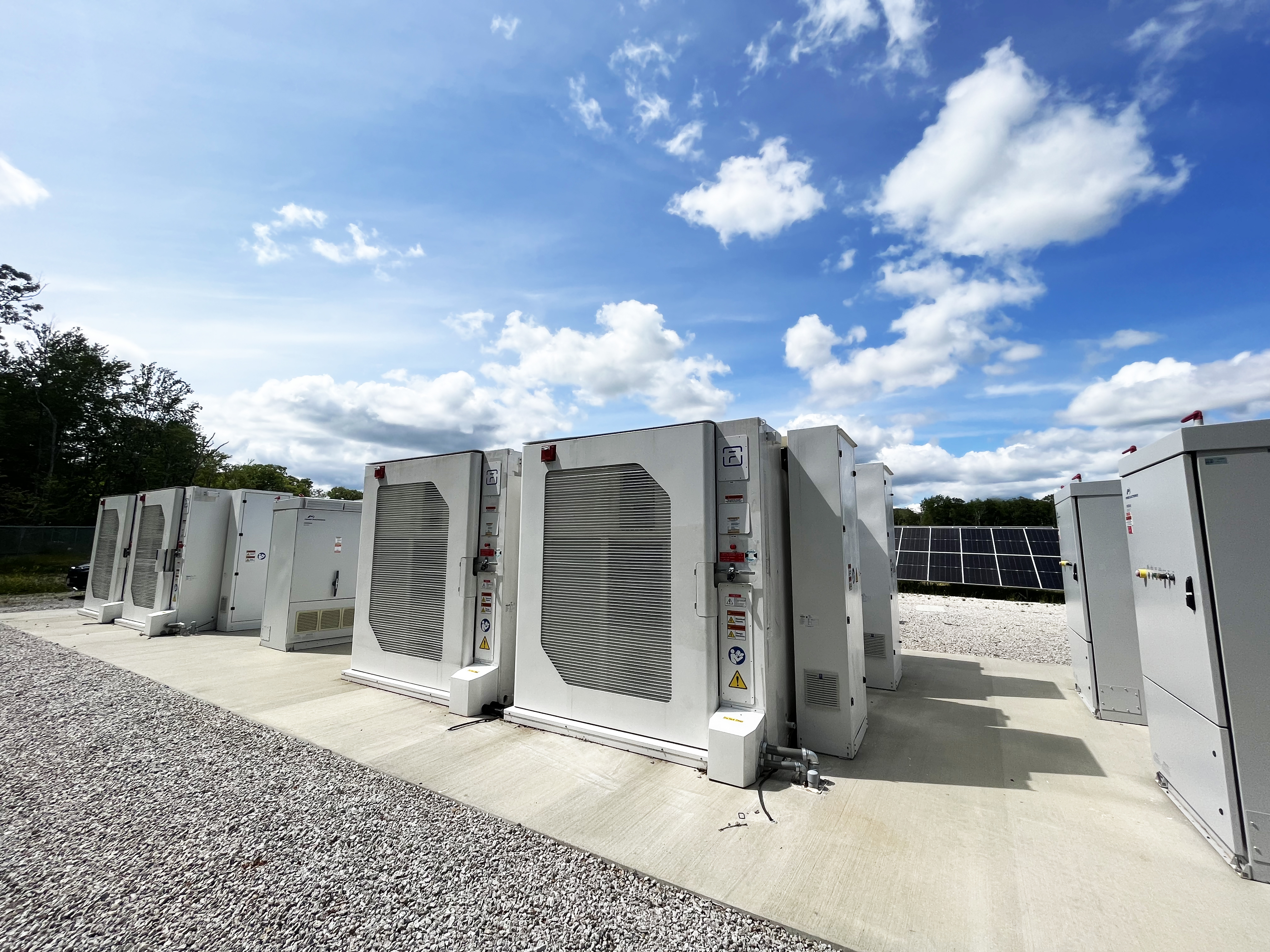
The planned resources were described in AES Indiana’s SEC filing, which projected Foundry Works for mid-2028, Crosstrack for late 2028 and the Hardy Hills addition for March 2029. Those dates are targets, not confirmation that construction is complete.
Who pays for the infrastructure?
The proposal also includes a roughly 10-mile, 345-kilovolt transmission line between planned Antioch and Blue Bluff substations. AES Indiana’s route information identifies a preferred corridor, although the project raises questions about land access and the effects of new transmission infrastructure on nearby residents.
Indiana’s 2025 large-load law requires new major electricity users to pay at least 80% of attributable costs. AES says its agreement exceeds that threshold. However, WFYI reported that consumer advocates questioned how some grid-upgrade costs were allocated, even as the utility maintained that Google payments would offset them.
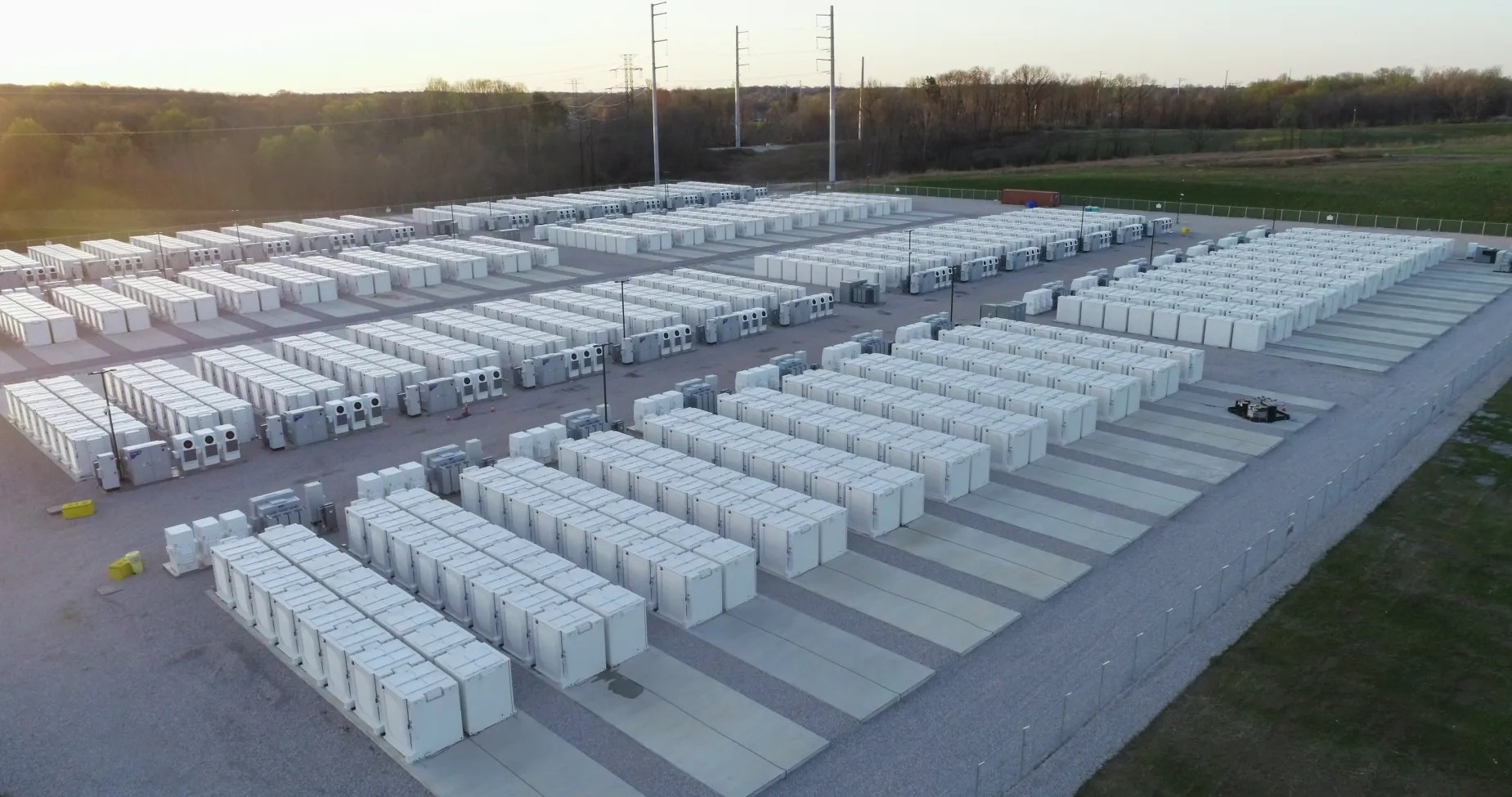
AES has also documented existing battery installations at its Pike County facilities, providing a comparison for what utility-scale storage looks like once commissioned. Its earlier installation is not one of the three newly approved battery projects.
AES Indiana’s published Pike County Energy Storage Tour documents an existing utility-scale installation. Archival footage; it does not show the proposed Monrovia facilities.
Approval is not the same as generation
Google’s Monrovia campus remains a proposed development, while the solar, storage and high-voltage facilities are planned investments. The next milestones include construction, interconnection and proving that contract protections actually prevent costs from shifting to ordinary ratepayers. The agreement demonstrates why solar power for data centers requires a full grid and storage strategy rather than nameplate capacity alone.
BitcoinVersus.Tech — Independent journalism on technology, energy, Bitcoin mining and computing infrastructure.
Editor’s Note: We volunteer daily to ensure the credibility of the information on this platform is Verifiably True. If our independent work is valuable to you, scan the original QR code below to donate 5,000 sats (best results on a laptop or larger screen).

On mobile, screenshot or save the QR image and open it through your wallet’s scan-from-photo feature, if supported. Alternatively display it on another device and scan it with your phone.
BitcoinVersus.tech is not a financial advisor. This media platform reports on financial subjects purely for informational purposes.


Leave a Reply