
Tata Communications is planning to spend $400 million to $450 million on approximately 10,000 kilometers of new long-haul fiber in India, linking major AI and data-center hubs to its global network. Announced October 26, the three-phase investment targets the high bandwidth, predictable latency and route resilience needed to move data between growing computing campuses.
The initial corridor will connect Mumbai, Pune, Hyderabad and Chennai. Later phases are intended to reach Visakhapatnam, Bhubaneswar, Jamnagar and Gujarat’s GIFT City, with connections to international subsea cable landing stations. Tata says the infrastructure is designed for hyperscalers, AI platforms, neocloud providers and other enterprise customers.
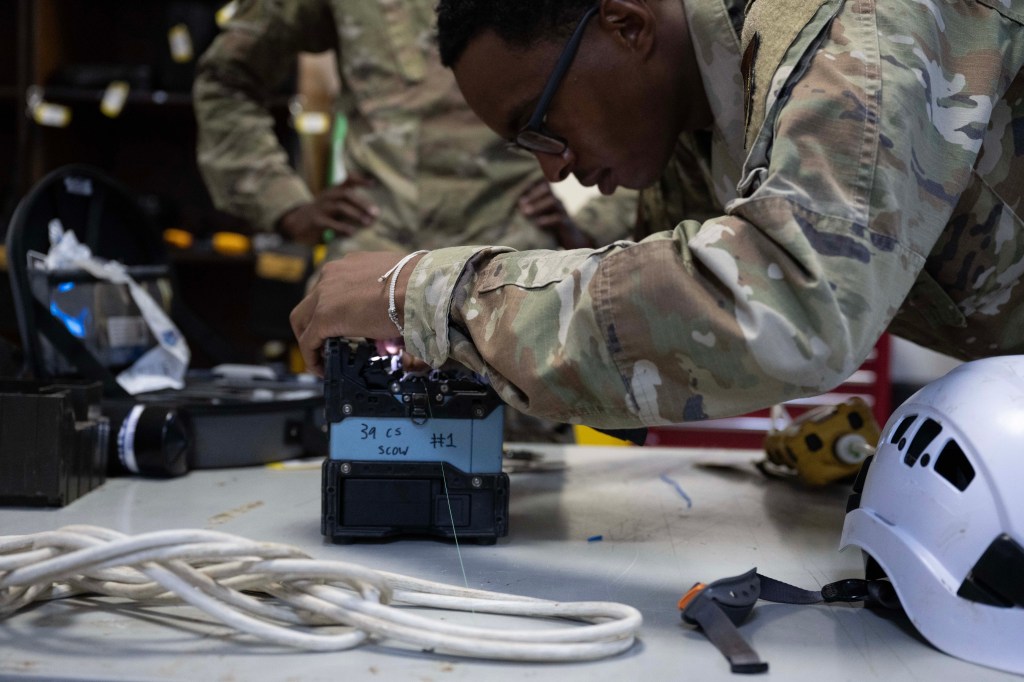
The project remains a planned network, not 10,000 kilometers of completed construction. A stock-exchange filing describes roughly 6 petabits per second of proposed additional capacity, compared with 1.25 Pbps existing capacity, with additions contemplated across fiscal 2030–2036. These are aggregate capacity figures, not a guarantee of the throughput or latency of any individual customer circuit.
Why AI Needs More Than Faster Servers
AI training, inference and distributed storage require traffic to cross facilities as well as circulate within individual racks. Tata executive Rupesh Chokshi told Light Reading the new network is designed for more predictable performance and route diversity. The company intends to use dense wavelength-division multiplexing and coherent optics to carry multiple high-speed optical channels over fiber.
The move follows a wider push to improve optical interconnects. Hotwire’s 800G Ethernet test and Cisco and NVIDIA’s next-generation pluggable-optics work address different parts of the same capacity challenge, while Meta’s Petal subsea project targets ocean-spanning links.
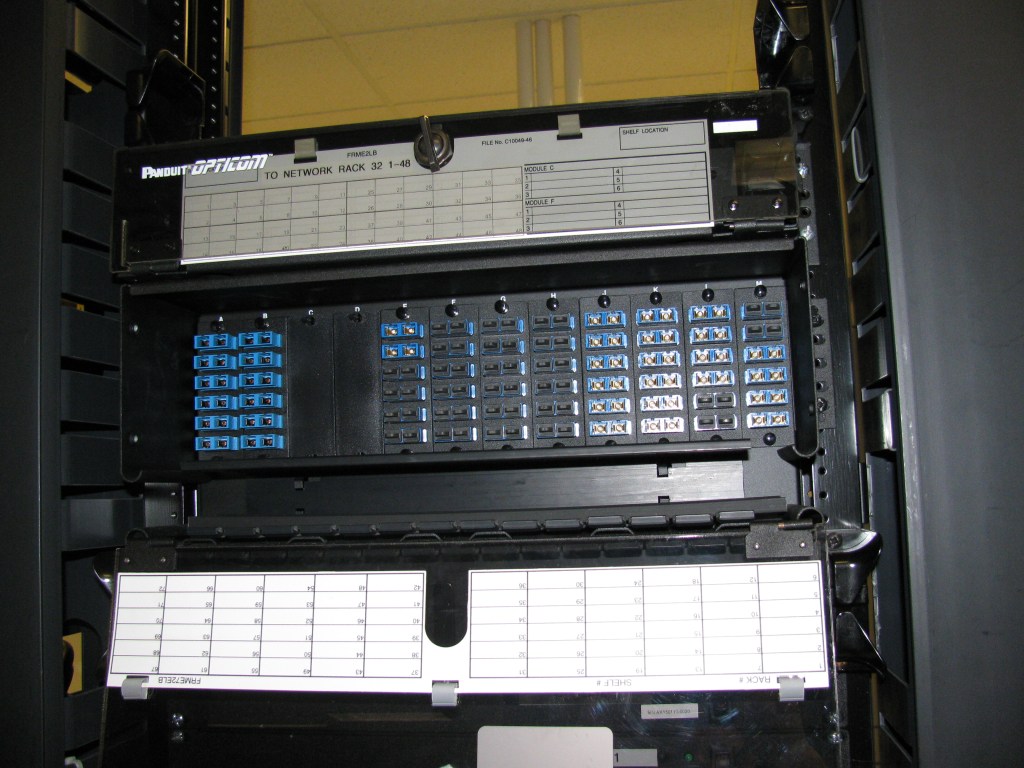
Tata plans to fund the expansion from operating cash flow. Its existing backbone includes more than 500,000 kilometers of subsea optical fiber and over 200,000 kilometers of terrestrial fiber, according to the company. A separate multi-core fiber initiative from Corning illustrates how network builders are also seeking higher capacity from each physical cable.
The next measures of progress will be route construction, customer contracts, activated fiber pairs, service-level performance and commercial revenue. Until those milestones are disclosed, the investment is best understood as a major proposed expansion of India’s data-center connectivity rather than an already operational AI network.
Support BitcoinVersus.Tech
We volunteer daily to ensure the credibility of the information on this platform is Verifiably True. If you would like to support our work and help further secure the integrity of our research initiatives, please scan the QR code below to donate 5,000 sats.

On mobile, open this QR code on another screen to scan it with your Bitcoin wallet, or save the image if your wallet supports scanning saved QR images. Bitcoin address: 3C9o19EH5HSiwEPyCTmEKzxhNCbo2X6TTb.
BitcoinVersus.tech is not a financial advisor. This media platform reports on financial subjects purely for informational purposes.


Leave a Reply