
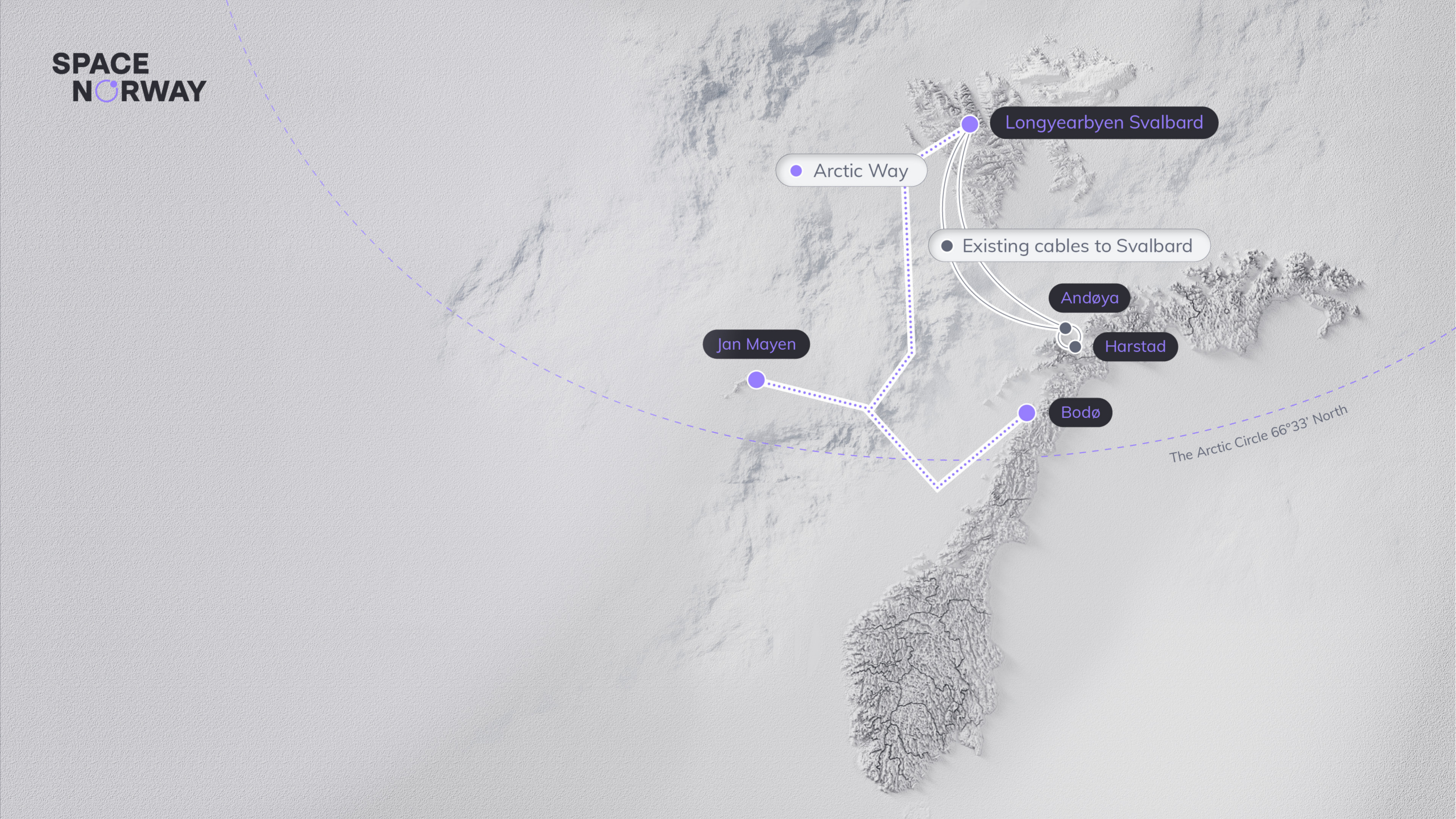
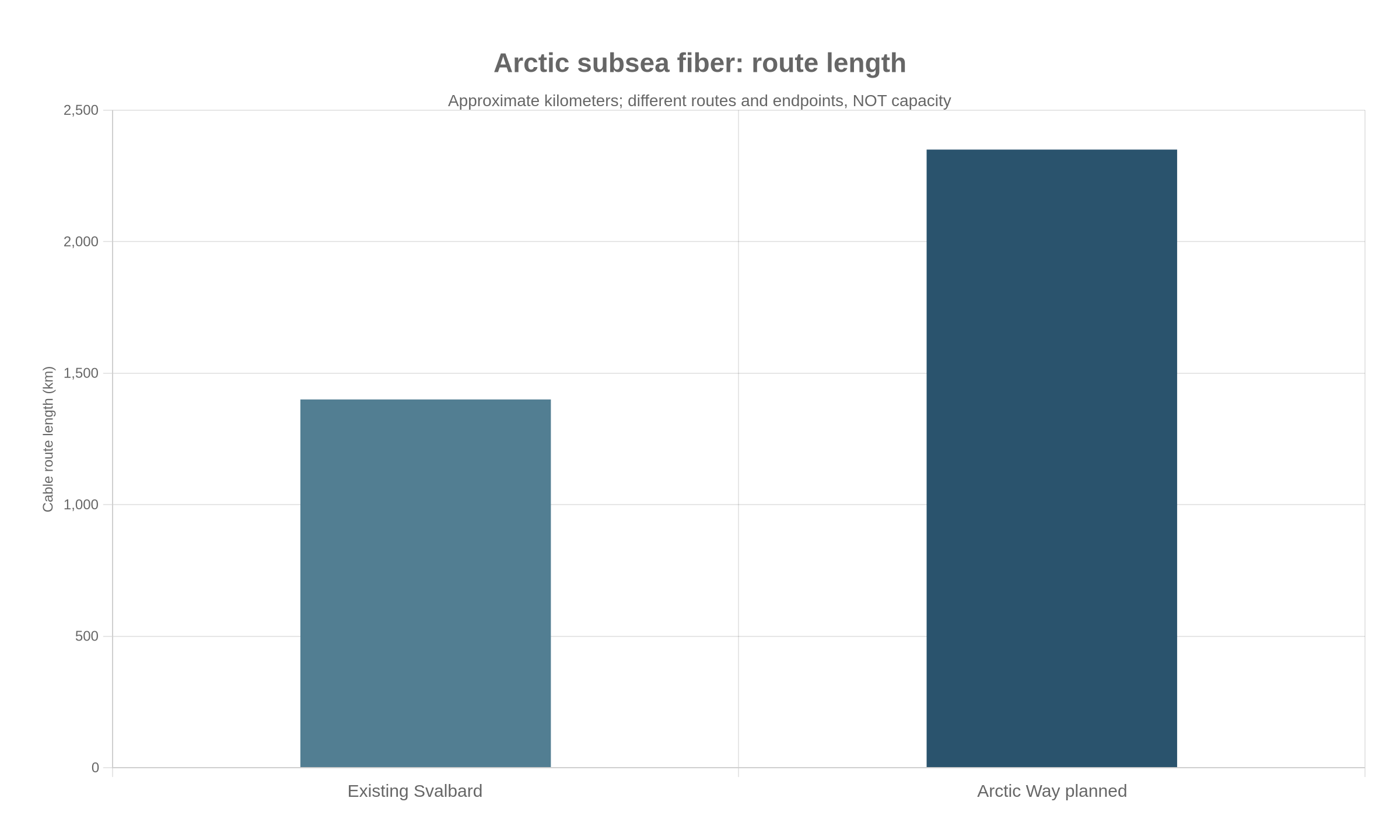
OSLO, Norway — October 13, 2026: State-owned Space Norway awarded Ciena a turnkey contract to modernize two aging fiber-optic cables serving Svalbard and equip Arctic Way, a planned 2,350-kilometer subsea route connecting mainland Norway, Jan Mayen and Longyearbyen. The agreement targets resilient Arctic communications for residents, researchers and government operations.
The project is more than another long cable: Arctic Way will provide a distinct route while the existing Svalbard links remain in use for as long as practical. Space Norway expects the new system to enter service in 2028; the deal is confirmed, but that service date is still a target.
What Ciena Is Installing
Ciena will supply its 6500 Optical Platform, WaveLogic 6 Extreme coherent transponders, Spectrum Sharing and Navigator Network Control Suite. Coherent optics encode data into properties of light; spectrum sharing lets operators use available optical capacity more flexibly. Navigator provides network visibility and operational controls.
That combination aims to raise available data capacity and simplify operations across both older and new systems. It follows the wider shift toward compact, coherent optical systems in subsea networks, but neither company disclosed this specific project’s final terabits-per-second capacity or contract price.
Why the Arctic Needs a Backup
The original links entered operation in 2004, initially supporting high-volume satellite data and later becoming essential to community services. One cable suffered damage in 2022, exposing the importance of independent routes. Our explainer on why subsea cables take time to repair describes the specialized ships and challenging conditions involved.
Jan Mayen currently relies on satellite communications without a seabed fiber connection. The new branch will provide a terrestrial-network pathway through the ocean while complementing, not replacing, satellites. Space Norway also plans to coordinate the landing station with military construction on the remote island.

What Comes Next
Cable manufacturer SubCom is contracted to survey, build and install Arctic Way, with planned installation in 2027. Ciena handles the optical-network equipment. The crucial checkpoints are landings, tests, commercial activation and the continued health of the older lines. Other major fiber projects, including India’s planned AI-hub links and 800G trials on existing U.S. fiber, illustrate how new routes and upgraded electronics address different network bottlenecks.
BitcoinVersus.Tech
BitcoinVersus.Tech Editor’s Note: We volunteer daily to ensure the credibility of the information on this platform is Verifiably True. If you would like to support our work and help further secure the integrity of our research initiatives, please scan the QR code below to donate 5,000 sats. For best results, scan the QR code from a laptop or larger screen.

Bitcoin address: 3C9o19EH5HSiwEPyCTmEKzxhNCbo2X6TTb. On mobile, display the QR on another screen or use a wallet’s saved-image scanner.
Disclaimer: BitcoinVersus.Tech provides technology and financial reporting solely for information and education. Estimated project schedules and performance claims are subject to change. This report is not investment advice.


Leave a Reply