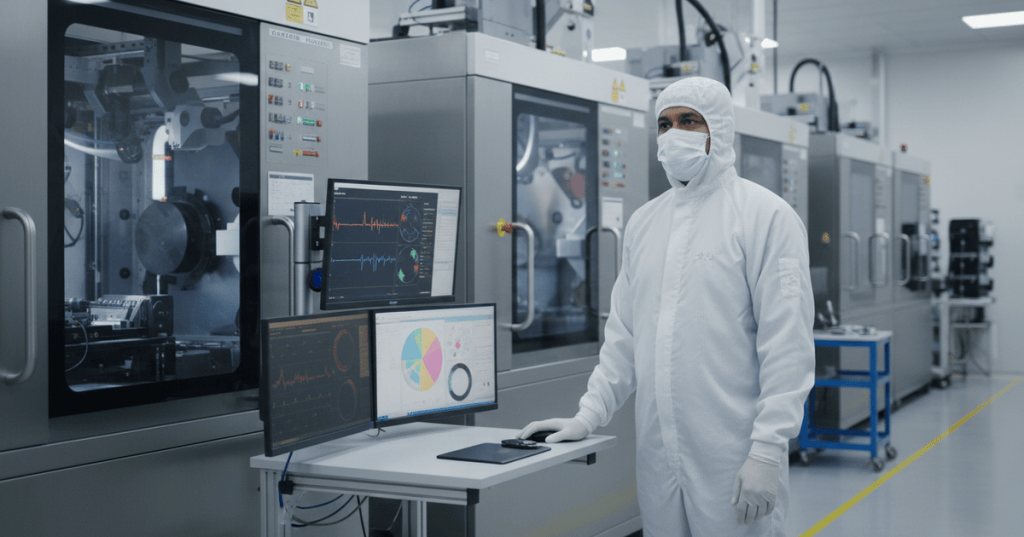
Intel disclosed in an October 30 regulatory filing that a mid-October accident at its semiconductor factory in Kiryat Gat, Israel, caused worker casualties, injuries and a manufacturing shutdown lasting approximately two weeks. The disruption threatens server-chip shipments as the company struggles to meet AI-related demand.
Israeli reporting established that two workers died after the October 14 explosion and a third was injured. Early investigators suspected a gas-cylinder incident, but the exact cause should not be considered settled by Intel’s financial disclosure. The human toll comes before the balance-sheet implications.
Financial impact extends into 2027
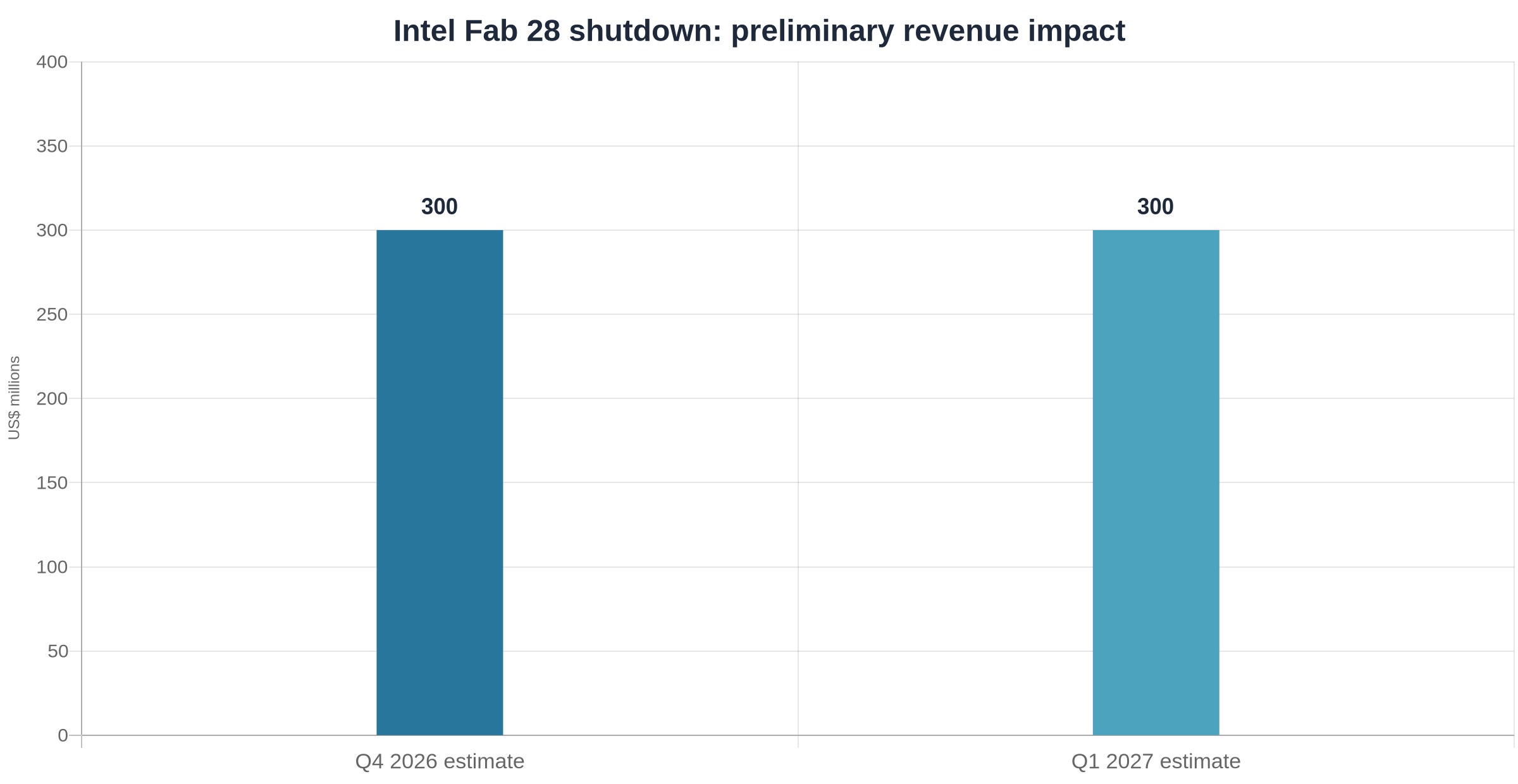
Intel’s Form 10-Q says remediation, inventory losses and underused manufacturing capacity will affect fourth-quarter costs and operating performance through the first half of 2027. The filing anticipated restarting operations by late October, but does not independently establish that full production has resumed. Assessments of damage and insurance recovery remain incomplete.
CFO David Zinsner gave investors a preliminary estimate of roughly $300 million in lost revenue for the fourth quarter of 2026 and a similar amount for the first quarter of 2027. He also attributed about 200 basis points of the fourth-quarter gross-margin outlook to the incident. These are management estimates, not finalized losses.
Why server-chip customers care
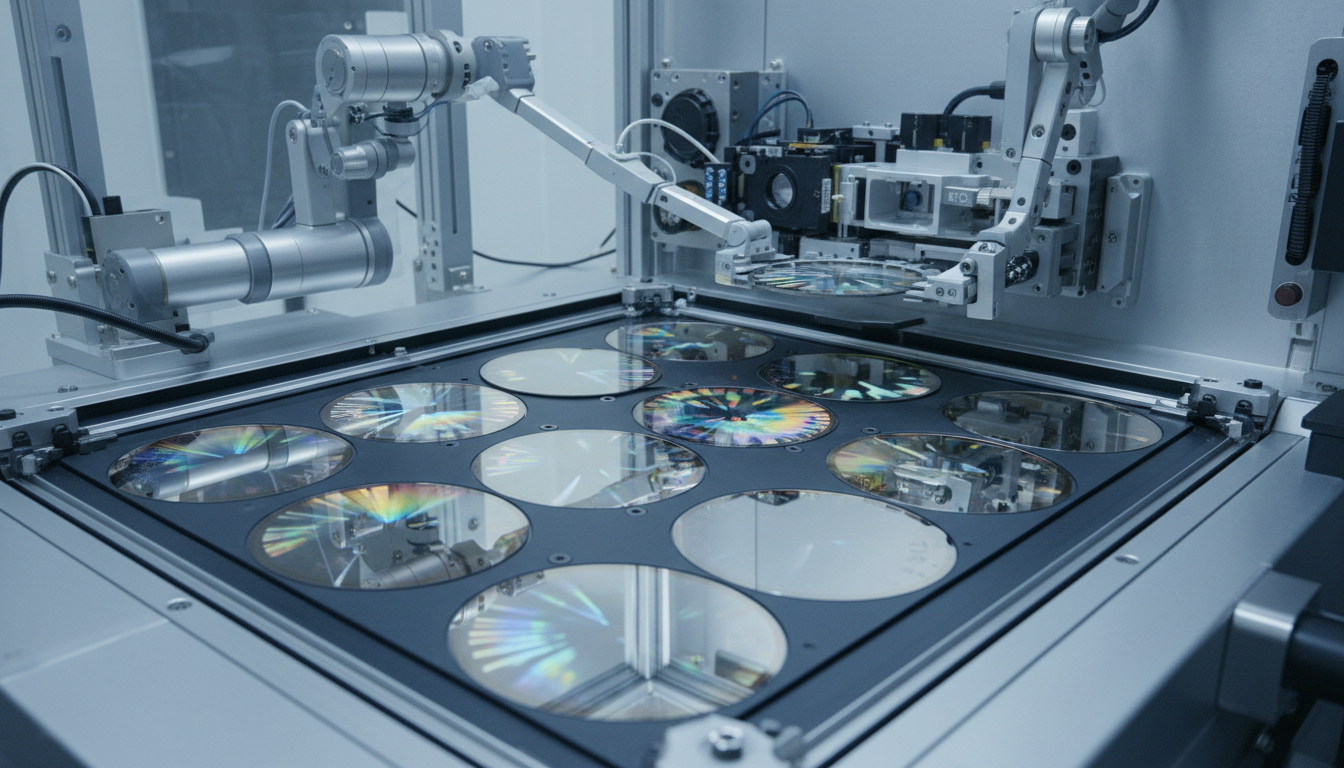
The plant makes Intel 7-class chips, including parts serving data centers. Intel expects the stoppage to constrain its 10-nanometer-class server shipments. Its existing high-density Xeon rack strategy and efforts to expand CPU-based AI inference make reliable processor supply commercially important.
The shortage compounds other constraints: tight memory markets, advanced-packaging substrate limits and the complex semiconductor manufacturing equipment ecosystem. A factory can reopen before disrupted wafer lots, machine qualification and production schedules fully recover.
Intel’s October 29 earnings release reported $16.5 billion in third-quarter revenue, up 21% from a year earlier, while guiding to $15 billion–$16 billion for the fourth quarter. The company has not supplied a final plant-loss total. Its next tests are a confirmed restart, recoverable wafer inventory and restored shipments; data-center capacity planners will watch delivery timelines.
BitcoinVersus.Tech
BitcoinVersus.Tech Editor’s Note: We volunteer daily to ensure the credibility of the information on this platform is Verifiably True. If you would like to support our work and help further secure the integrity of our research initiatives, please scan the QR code below to donate 5,000 sats. For best results, scan the QR code from a laptop or larger screen.

Bitcoin address: 3C9o19EH5HSiwEPyCTmEKzxhNCbo2X6TTb. On a phone, open the QR image on another screen or copy and verify the address in your wallet before sending.
BitcoinVersus.tech is not a financial advisor. This media platform reports on financial subjects purely for informational purposes.


Leave a Reply