
Google, Microsoft, OpenAI and Anthropic have backed a shared method for website owners to express objections to the use of their content in generative AI training. Announced on October 30, 2026, the proposal introduces a common robots.txt policy token intended to replace separate training opt-outs for every participating AI provider.
The proposal comes from an Internet-Draft by Anthropic’s Kevin Kelley. It is not yet an approved IETF standard, and implementation schedules vary between companies.
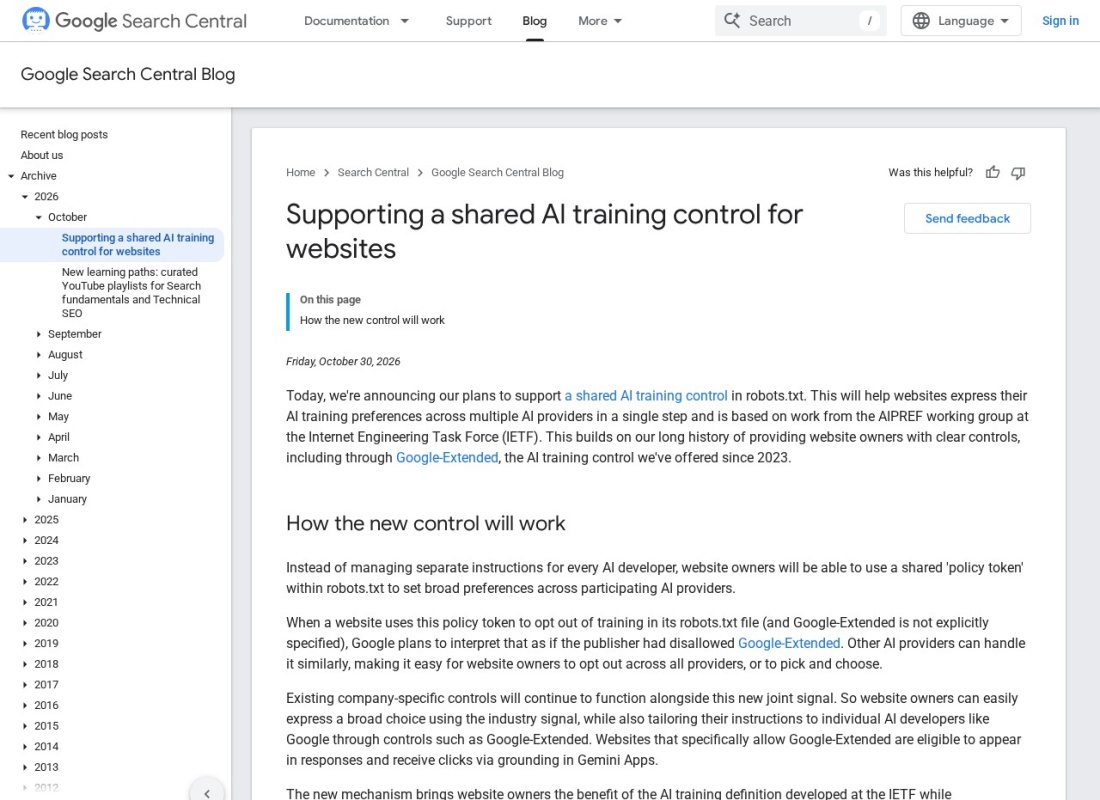
Google Search Central announces support for the common training-preference signal; source: Google, October 30, 2026.
One Rule, Several AI Providers
A publisher could add User-Agent: __usage_ai-training followed by Disallow: / to its site’s robots.txt file. That communicates a preference against training on the site’s contents. More specific path rules could allow selected material, such as a press kit.
Crucially, the token does not itself block web crawling. It expresses a preference about training use. An existing wildcard crawler instruction is not a substitute, and the draft creates no independent technical enforcement mechanism. Existing crawler-specific policies remain relevant.
Google says the shared opt-out will function like a Google-Extended disallow unless the website explicitly sets a different Google-Extended preference. This preserves room for publishers to tailor decisions by provider.
When the New Controls Arrive
Microsoft plans support beginning February 1, 2027, as sites are recrawled. It will also offer separate page-level controls over AI grounding: using live website material to inform generated answers rather than train model parameters. Publishers relying on its older NoArchive or NoCache settings face a March 1 transition deadline.

Microsoft’s official guidance separates training preferences from grounding controls and sets a 2027 transition schedule.
OpenAI expects implementation in the coming months, while Google targets 2027. Anthropic says work has begun, without a firm live date. None of these statements establishes that every crawler already honors the new signal.
What Publishers Gain—and What They Do Not
The initiative follows earlier efforts such as Cloudflare’s separate search and training controls. BitcoinVersus.Tech has also covered the dispute over AI scraping, retrieval-augmented AI responses, and AI privacy comparisons.
A shared instruction should simplify expressing preferences, but it does not retroactively remove training data, guarantee enforcement, or establish payment rights. Adoption, audits and the final standards process will determine its practical value.
Support BitcoinVersus.Tech
We volunteer daily to ensure the credibility of the information on this platform is Verifiably True. Please scan the original QR code below to donate 5,000 sats if you would like to support our independent reporting. For best results, open this page on a laptop or larger screen.
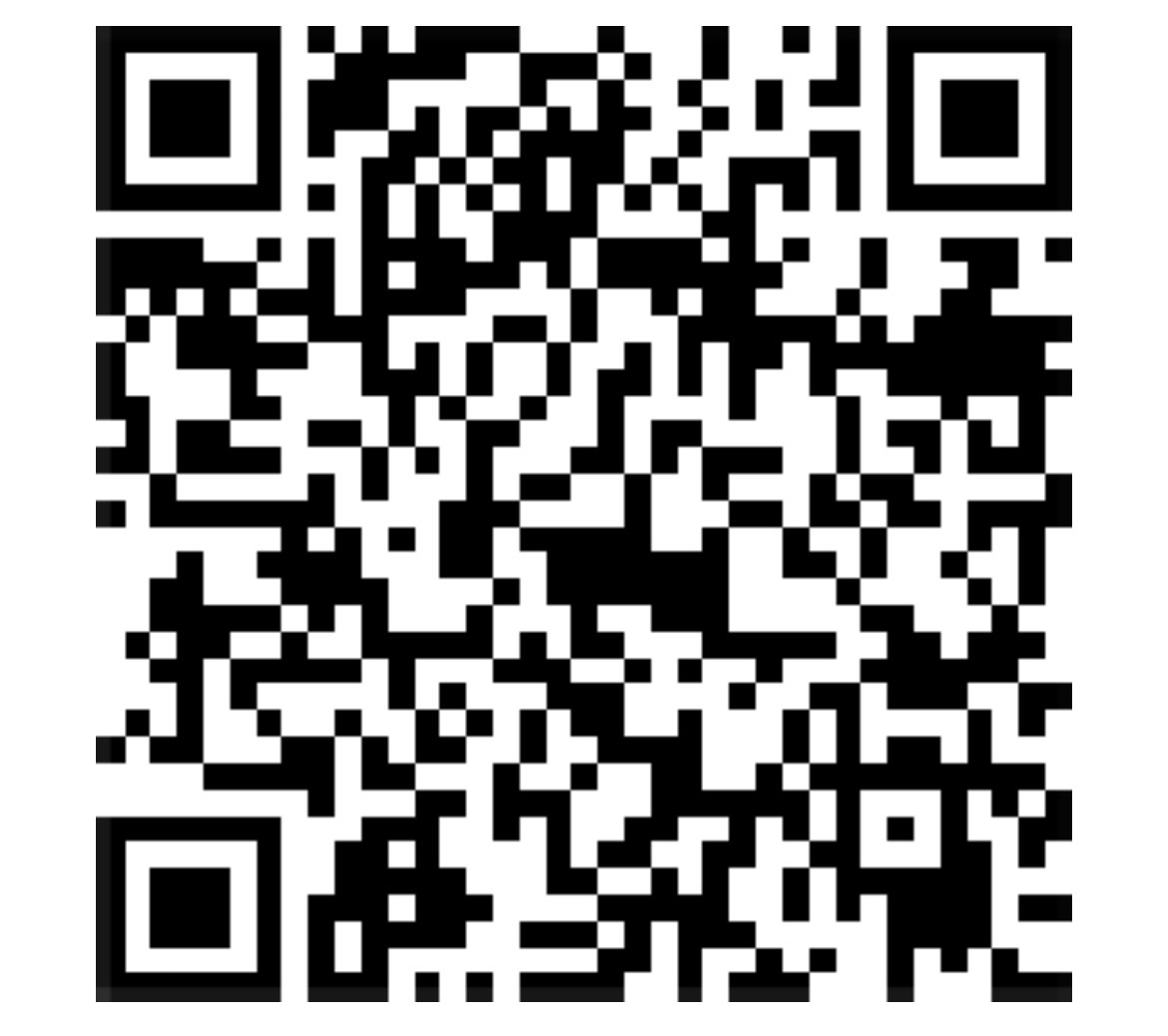
On mobile, display the QR code on another screen to scan it with a Bitcoin wallet; alternatively, use a wallet’s saved-image QR-scanning feature if available. Bitcoin donation address: 3C9o19EH5HSiwEPyCTmEKzxhNCbo2X6TTb.
BitcoinVersus.tech is not a financial advisor. This media platform reports on financial subjects purely for informational purposes.


Leave a Reply