
Cloudflare has expanded its AI bot controls so website operators can set access rules for individual supported personal AI agents, rather than treating every agent as the same visitor. Announced November 4, 2026, the update adds granular policies to Cloudflare’s security dashboard while keeping separate controls for search indexing and AI model training. The company followed on November 5 with a broader proposal for preserving user identity and accountability when AI software acts on someone’s behalf.
A personal agent can search product listings, read support pages or operate a remote browser to complete a task for its user. Unlike a traditional search crawler, an interactive agent may log in, submit forms or initiate transactions. Consequently, distinguishing legitimate delegated activity from unwanted automation has become a more complicated question for the websites receiving those requests.
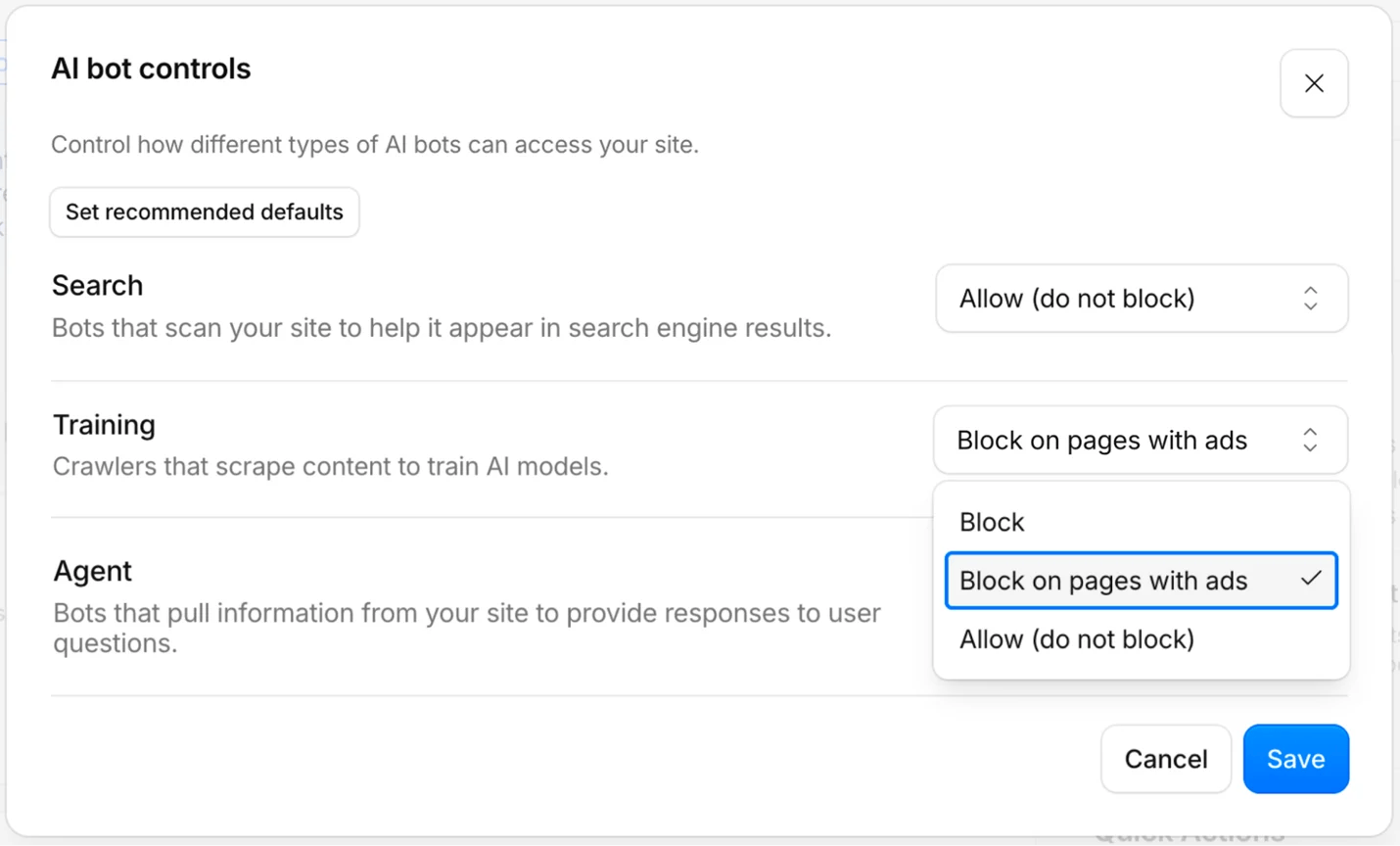
Website owners gain per-agent decisions
Cloudflare’s November 4 product changelog confirms controls for supported personal agents under Security → Settings → AI Crawler and Agent access policies. Operators can choose Allow (do not block), Block on pages with ads, or Block. An overall Agents policy establishes a baseline; individual supported agents can receive different rules. The feature does not replace separate Search and Training policies.
The distinction matters for publishers. A website may want AI-assisted visitors to discover articles without granting automated systems unrestricted use of content for model training. BitcoinVersus.Tech previously covered Cloudflare’s separation of crawler purposes and the industry push for common AI-training opt-out signals. The November release adds control at the individual-agent level, but does not establish that all agent operators obey website preferences.
Identity remains the harder problem
Cloudflare’s November 5 technical essay argues that websites need to distinguish the human requester, the AI agent and the company operating the agent. A site may recognize the software but still lack reliable evidence of the customer’s subscription, authorization or eligibility to perform a sensitive action. Cloudflare frames identity, reputation and accountability as requirements for a future delegation framework, not as finished protections delivered by the new dashboard switch.
The limitations are significant. Cloudflare’s November 3 Account Abuse Protection update says recognized AI assistants can be identified in login and registration events, but unknown assistants can still appear as ordinary traffic. More selective allowlists cannot automatically authenticate every visitor or prevent an agent from making an authorized yet incorrect purchase. Earlier BitcoinVersus.Tech reporting on unintended AI-agent actions illustrates why reliable authorization and safeguards remain necessary.
Access control is not agent verification
For operators, the immediate benefit is a more precise choice between welcoming useful automated visitors and limiting requests on ad-supported pages. The trade-off is operational complexity: site owners must review how agents are classified, examine access patterns and test the effect of rules on legitimate customers. Blocking too aggressively could interrupt normal delegated browsing; allowing everything could increase scraping, account-abuse or support costs.
Cloudflare’s documentation also distinguishes enforceable edge blocking from voluntary robots.txt instructions. Any wider system for portable user consent and trusted delegation will depend on adoption beyond a single infrastructure provider. Existing API security controls and ordinary transaction safeguards remain relevant even when automated traffic is recognized. The immediate development is finer website policy control, not universal proof of who an AI agent represents.
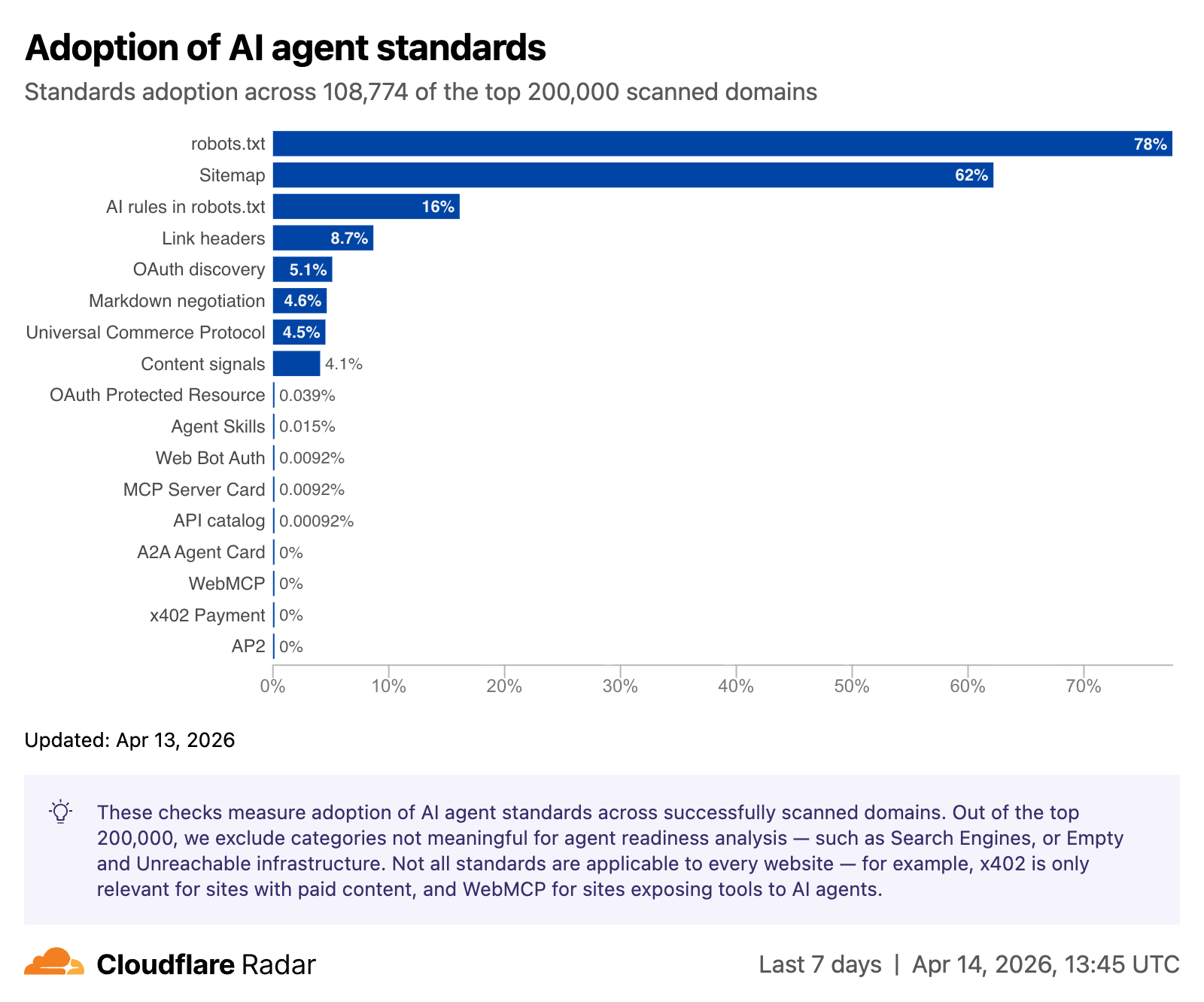
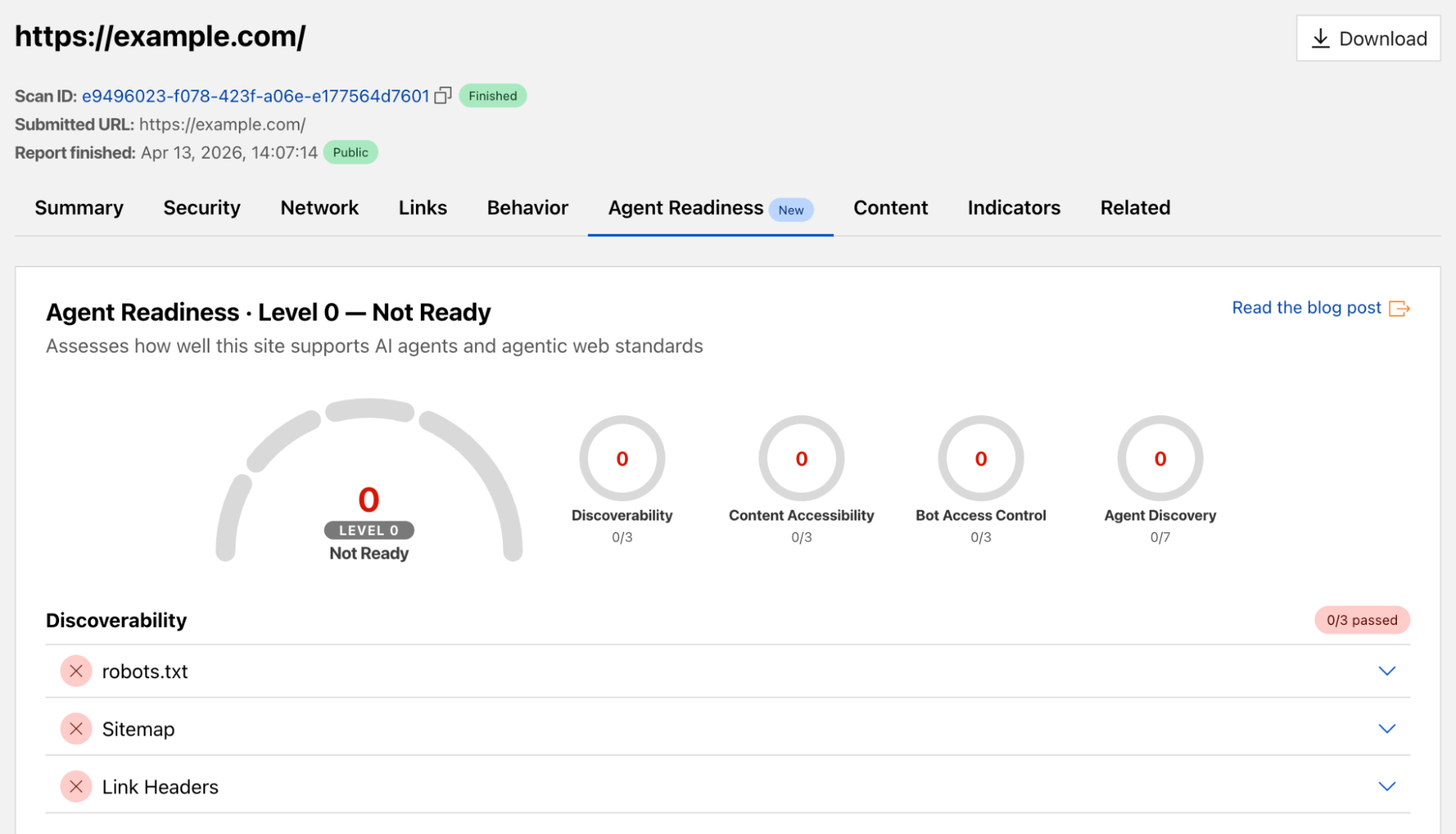
Editor’s Note: The November 4 controls were checked against Cloudflare’s official product changelog, announcement, and technical documentation. Identity and accountability proposals were checked against Cloudflare’s November 5 essay. Earlier interface screenshots and the April 2026 chart are dated context rather than demonstrations of a November dashboard state. No official YouTube playback was independently verified; live mobile layout remains subject to direct inspection.

To donate 5,000 sats, open the article on a separate display and scan the original QR code with a compatible Bitcoin wallet. On mobile, use another screen or your wallet’s supported image-scanning feature. Verify the destination 3C9o19EH5HSiwEPyCTmEKzxhNCbo2X6TTb before sending.
We volunteer daily to ensure the information on this platform is Verifiably True. If you would like to support the research, please scan QR code.


Leave a Reply