OpenAI chief executive Sam Altman’s argument that scarce computer memory could be used more efficiently in cloud data centers has drawn criticism from PC owners and local-AI enthusiasts. Speaking on the October 29 episode of Stripe co-founder John Collison’s Cheeky Pint podcast, Altman questioned whether dedicated DRAM in personal computers makes sense during a global supply shortage.
Altman said it was “quite terrible” for large amounts of limited DRAM to sit in individual machines being used only 5% of the time, and favored higher utilization in the cloud. The 5% figure was his characterization, not a independently verified measurement.
Cheeky Pint’s October 29 interview with Altman. The memory-allocation discussion begins around the 29-minute mark.
Consumers Push Back
The remarks reignited objections to concentrated computing infrastructure. Critics argue that local computers preserve user control, privacy, offline access and the ability to run open-weight AI models without relying on rented cloud services. Several technology publications documented sharp negative responses from PC builders and gamers.
The Verge and Tom’s Hardware reported the broader criticism. Altman did not propose prohibiting consumer RAM purchases or removing memory from existing devices; he was making a resource-allocation argument about local AI inference. OngDevLab’s widely shared response claimed to showcase 576 GB of RAM while rejecting Altman’s position in profane language; that capacity has not been independently verified.
OngDevLab’s social post shared during the public debate over the comments.
Sarcasm followed. On November 1, X user Sick (@sickdotdev) joked about stirring coffee with a RAM stick before cursing Altman, mocking the idea that PC memory is wasted.
Sick’s sarcastic response to Altman’s data-center RAM argument.
The Price of Scarce Memory
The dispute arrives amid a real memory squeeze. TrendForce projected conventional DRAM contract prices would climb 10–15% quarter over quarter in the fourth quarter of 2026 as suppliers prioritize higher-value server memory. It also projected 15–20% gains for NAND flash, a separate storage technology. Both figures are forecasts, not completed-quarter results.
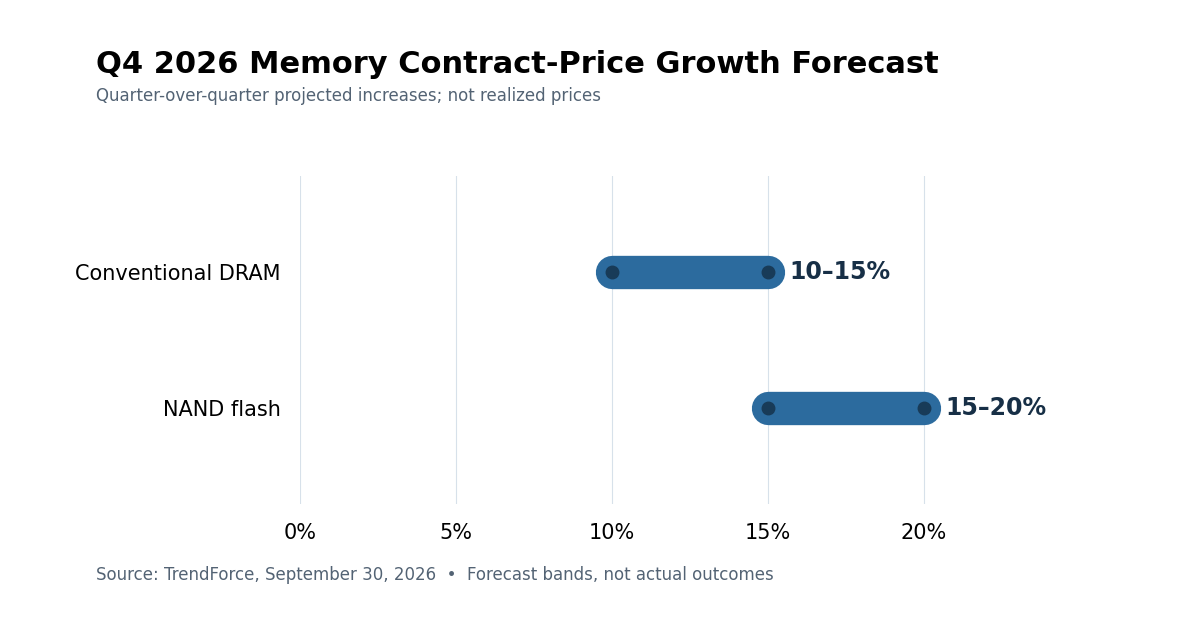
TrendForce’s September 30 forecast for fourth-quarter 2026 memory contract-price growth; DRAM and NAND are distinct product categories.
BitcoinVersus.Tech previously examined falling PC shipments amid memory costs, differences between SRAM and DRAM, how operating systems use RAM and AI-driven demand for high-bandwidth memory.
What Happens Next
The disagreement is not about whether cloud computing can achieve high utilization; it is whether utilization alone should determine who gets scarce hardware. Memory suppliers’ production decisions, component prices and the growth of local AI will shape that trade-off through 2027.
Support BitcoinVersus.Tech
We volunteer daily to ensure the credibility of the information on this platform is Verifiably True. Please scan the original QR code below to donate 5,000 sats if you would like to support our independent reporting. For best results, open this page on a laptop or larger screen.

On mobile, display the QR code on another screen to scan it with a Bitcoin wallet; alternatively, use a wallet’s saved-image QR-scanning feature if available. Bitcoin donation address: 3C9o19EH5HSiwEPyCTmEKzxhNCbo2X6TTb.
BitcoinVersus.tech is not a financial advisor. This media platform reports on financial subjects purely for informational purposes.


Leave a Reply