
UNESCO is helping Somalia preserve and digitize roughly 45,000 analogue recordings at Radio Mogadishu, spotlighting the work in an October 20, 2026 update ahead of World Day for Audiovisual Heritage. Supported by Japanese funding and local institutions, the project aims to safeguard broadcasts documenting more than seven decades of music, language, politics and everyday life before ageing magnetic tape becomes unreadable.
A UNESCO assessment from April 2026 found that more than 85% of the collection remained playable, while approximately 10% had deteriorated substantially and more than 5% had been destroyed or critically damaged. Those rounded assessments describe condition, not the share already converted to digital files.
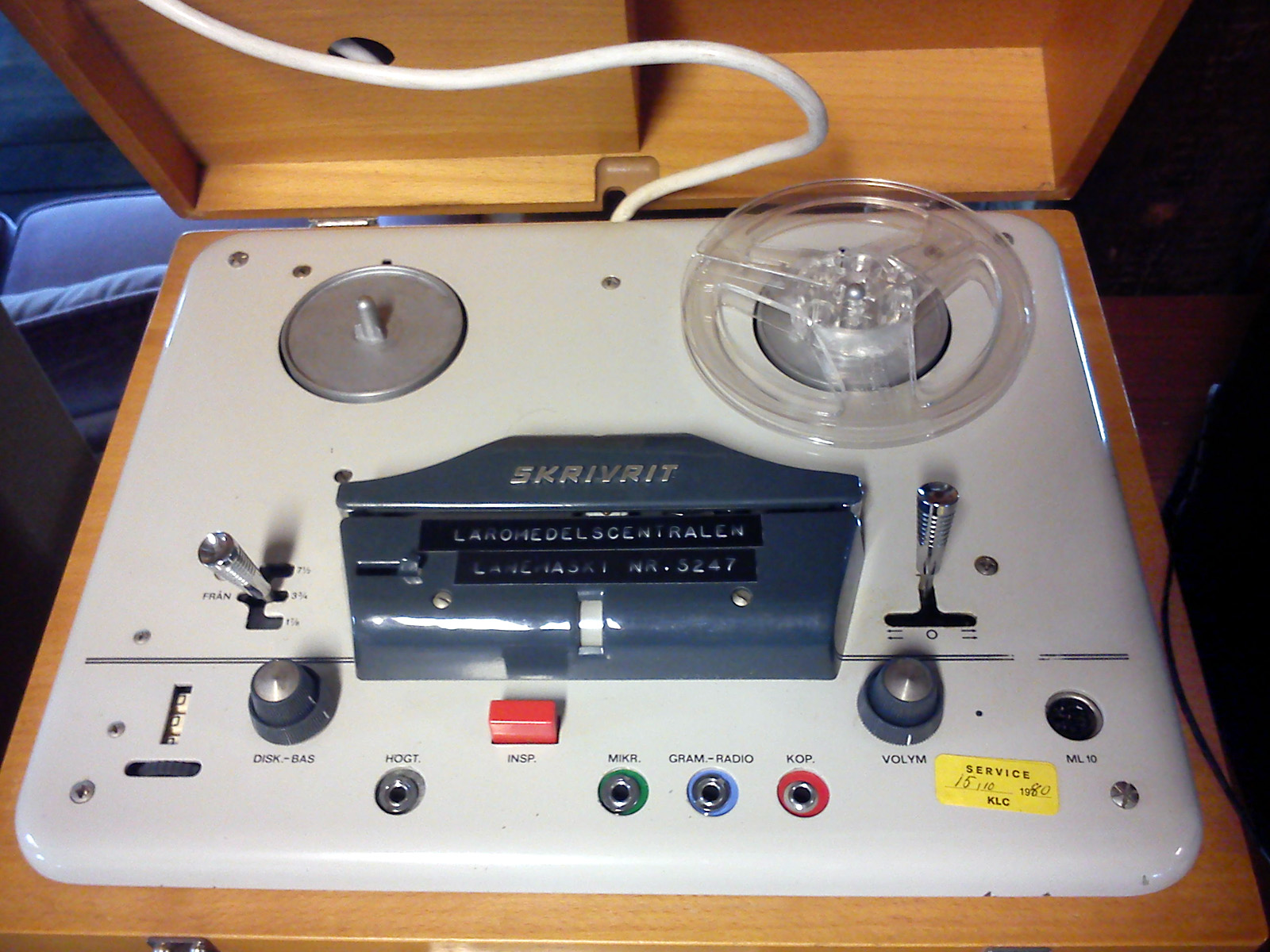
A nation’s recorded memory
The material includes speeches, poems, radio dramas and music, as well as broadcasts from Somalia’s 1972 national literacy campaign. Radio Mogadishu helped spread instruction and information across a society whose cultural history was often transmitted orally. Officials estimate the collection represents around 400,000 hours of programming, according to July reporting by Al Jazeera.
Video: UNESCO — “Safeguarding memory before it disappears: Preserving the Radio Mogadishu archive” (published July 31, 2026). Official footage of the preservation initiative, produced through UNESCO’s Memory of the World Programme with support from the Government of Japan.
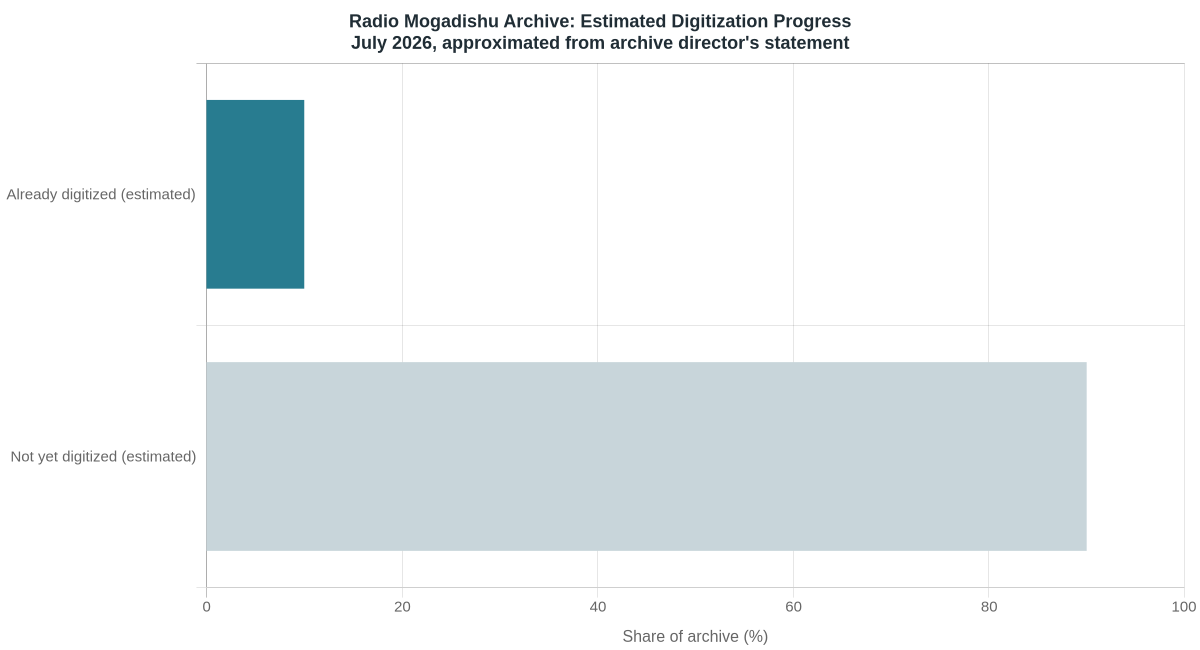
Station director Abdi Jeite estimated in July that only around 10% of the archive had been digitized. The chart shows that estimate, not a newly released November progress report. The number underlines the difference between stabilizing fragile physical tapes and completing full digital conversion.
From fragile tape to searchable files
Somalia’s information ministry launched a refurbishment of archive facilities in June, backed by UNESCO and the Government of Japan. Restored equipment and digitization tools mark progress, but do not themselves establish that the full collection is preserved.
Turning tape into a durable digital collection requires more than pressing Record. Archivists must inspect fragile reels, use suitable playback machines, capture audio without introducing defects, preserve high-quality master files, and maintain descriptive metadata and redundant copies. That workflow complements the emerging tools discussed in our report on AI and museum archives.

The project also illustrates why old audio recordings and modern magnetic data-storage tape should not be confused. One is a vulnerable historical playback format; the other can form part of a managed digital backup strategy. The priority is to make the original voices recoverable and searchable.
The next preservation milestone
UNESCO has not announced a verified completion date for all 45,000 tapes. The next milestone is measurable preservation progress—reliable inventories, more successfully transferred recordings and long-term access—rather than a claim that the archive has already been saved. The issue will also feature during World Digital Preservation Day on November 5.
Original primary sources: UNESCO, October 20, 2026; UNESCO’s June archival assessment report; and Somalia’s Ministry of Information.
BitcoinVersus.Tech Editor’s Note: We volunteer daily to ensure the credibility of the information on this platform is Verifiably True. If you would like to support our independent technical education and research, please scan the QR code below to donate 5,000 sats (best results on a laptop or larger screen).

For mobile scanning, open this story on a laptop or larger screen and scan the QR code with a compatible Bitcoin wallet on your phone. Confirm the destination address before sending: 3C9o19EH5HSiwEPyCTmEKzxhNCbo2X6TTb.
BitcoinVersus.tech is not a financial advisor. This media platform reports on financial subjects purely for informational purposes.


Leave a Reply