
A Linux server can have ample RAM and powerful processors yet run slowly because its threads are accessing memory attached to a distant processor group. The reason is non-uniform memory access (NUMA): memory latency and available bandwidth depend partly on which processor and memory node handle a request. Understanding the layout matters for databases, virtualization, AI inference and high-throughput infrastructure.
In a typical two-socket server, each processor has nearby memory channels. Access to local RAM can be faster than reaching RAM through the processor interconnect. But Ubuntu’s server documentation cautions that NUMA nodes do not always correspond one-to-one with CPU sockets; one socket can expose multiple nodes.
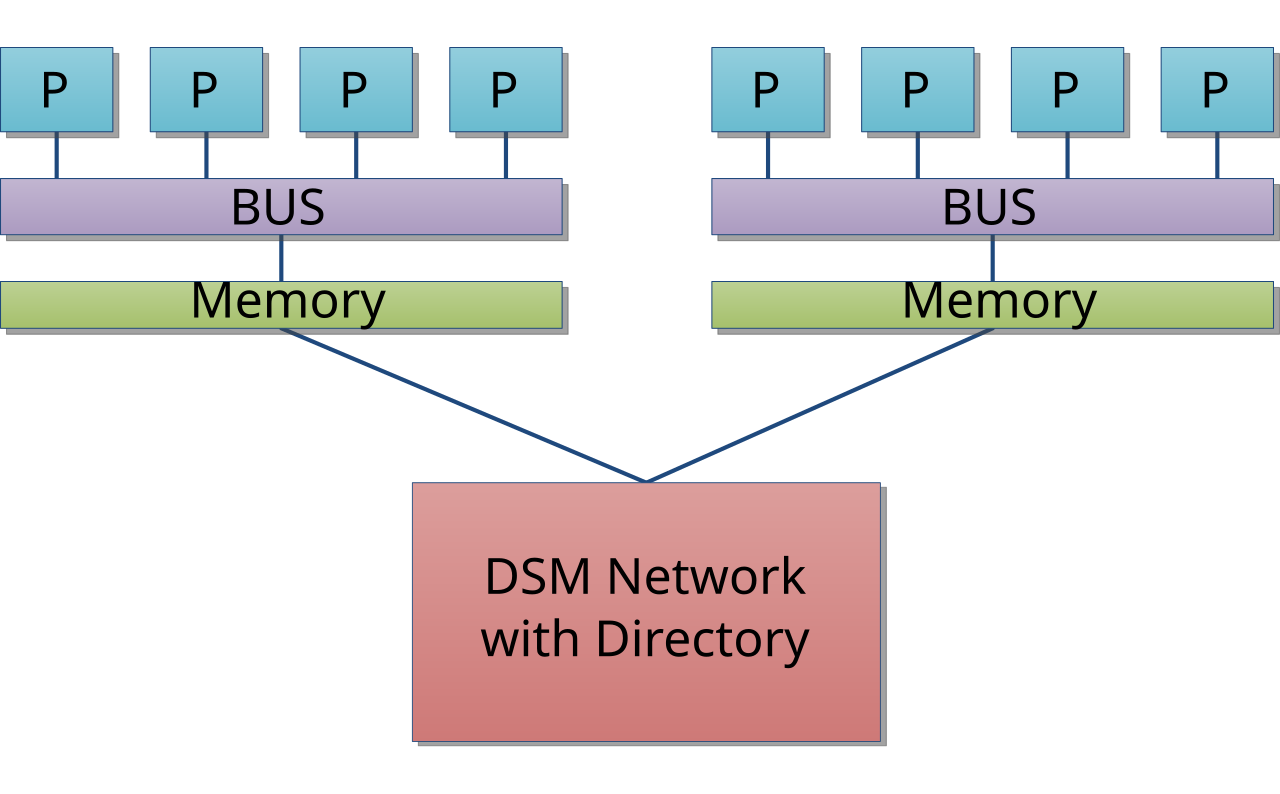
Local RAM Versus Remote RAM
Imagine a database worker executing on NUMA node 0 while repeatedly reading pages allocated on node 1. Those memory accesses must travel beyond node 0’s local memory path, potentially raising latency. The operating system can move tasks or memory pages, although migration itself has overhead. This is different from a CPU cache miss or a storage-backed virtual-memory page fault.
Red Hat Developer’s official introduction to NUMA programming, originally produced for RHEL 6. The hardware examples are historical; the core locality concepts remain useful.
How to Inspect Linux NUMA Topology
Start with lscpu -e=CPU,NODE,SOCKET,CORE to map logical CPUs, then numactl --hardware to inspect node memory and relative distances. Check numastat -p PID for process placement when supported. The Linux kernel documents local, preferred, bound and interleaved allocation policies.
For an isolated test, numactl --cpunodebind=0 --membind=0 ./application constrains CPUs and memory to node 0. Do not blindly apply that command in production: strict memory binding can fail allocations when the chosen node lacks sufficient capacity. Compare throughput and tail latency before and after; page-cache behavior and concurrent jobs can obscure the results.
Red Hat engineers Don Zickus and Joe Mario discuss verifying NUMA placement and application performance in a historical technical presentation. It is instruction, not a current performance benchmark.
NUMA affinity becomes especially relevant when many-core servers run sensitive workloads alongside PCIe DMA devices or multiple virtual machines. The right configuration is not always to pin everything: cross-node load balancing can outperform rigid placement when one node is overloaded. The operational rule is simple—measure locality, capacity and latency before changing policy.
BitcoinVersus.Tech
BitcoinVersus.Tech Editor’s Note: We volunteer daily to ensure the credibility of the information on this platform is Verifiably True. If you would like to support our work and help further secure the integrity of our research initiatives, please scan the QR code below to donate 5,000 sats. For best results, scan the QR code from a laptop or larger screen.

Bitcoin address: 3C9o19EH5HSiwEPyCTmEKzxhNCbo2X6TTb. On a phone, open the QR image on another screen or copy and verify the address in your wallet before sending.
BitcoinVersus.tech is not a financial advisor. This media platform reports on financial subjects purely for informational purposes.


Leave a Reply