
October 30, 2026 — Developers of Perry, an experimental Rust-built compiler for JavaScript and TypeScript, detailed a change in how their software proves safe machine-code optimizations. The open-source project uses SWC and LLVM to produce native applications without requiring Node.js or a separate JavaScript engine on users’ machines.
A compiler can turn an object property read into one fixed-offset memory access when it proves the object’s layout. Otherwise, JavaScript features such as dynamic properties, getters and proxies demand more general lookup logic. TypeScript annotations alone cannot guarantee the object’s real memory layout.
An Optimization Strategy Meets Its Limits
Perry replaced its expensive whole-program analysis with smaller analysis units that exchange contracts describing object shapes and function behavior. The new method became the default on October 23, according to the developer’s October 30 public engineering record.
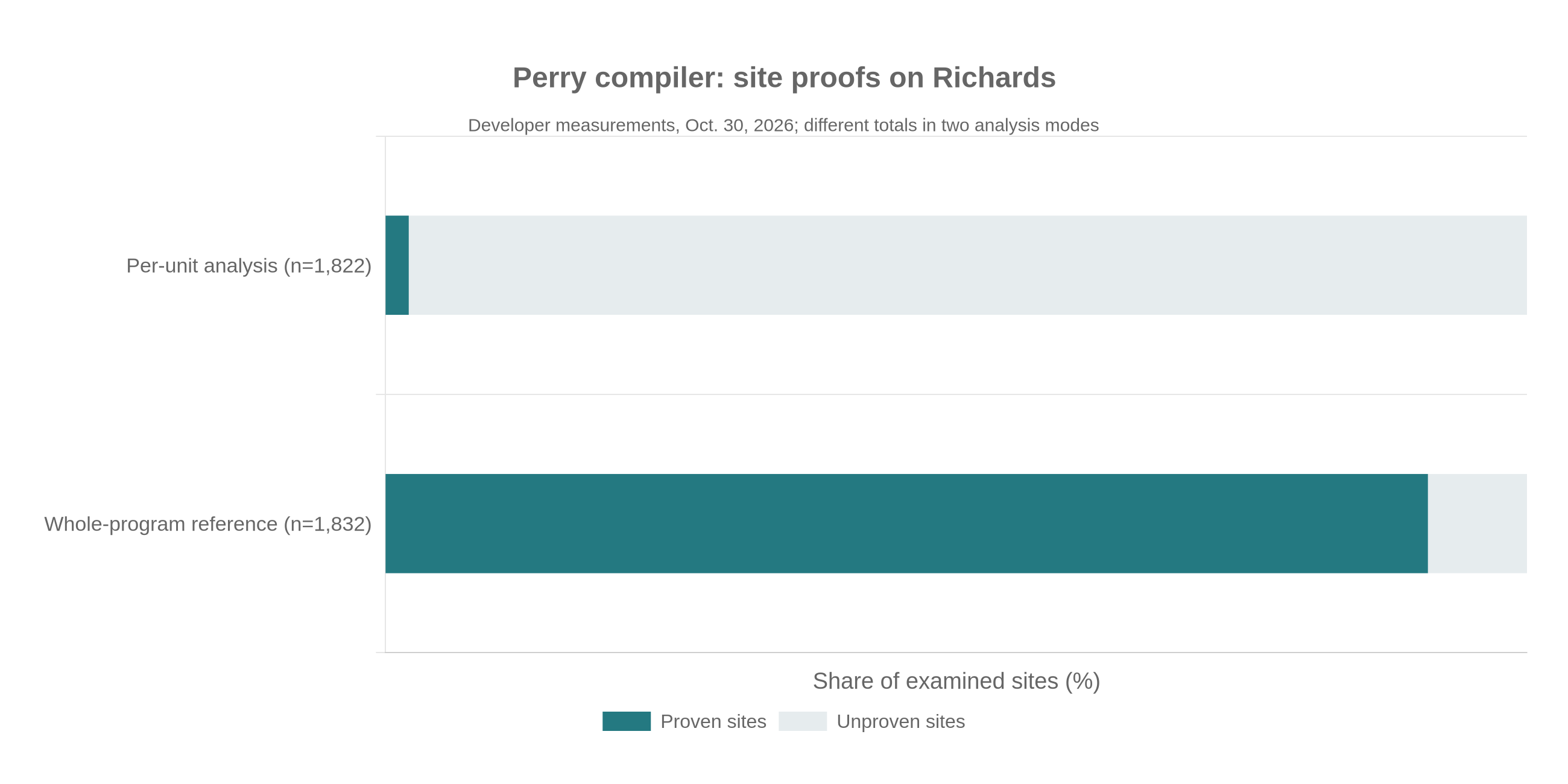
The limitation is substantial. On the Richards benchmark, per-unit analysis proved 37 of 1,822 sites (2.03%), while the whole-program reference proved 1,673 of 1,832 (91.32%). Those percentages describe successful static proofs, not execution speed or software correctness. Unproven sites retain a general lookup path.
The developers say 586 targeted fact-analysis tests pass, but the per-unit compiler remains slower on certain large workloads. The key unresolved task is transferring useful information across unit boundaries without exploding memory use.
Why Native TypeScript Matters
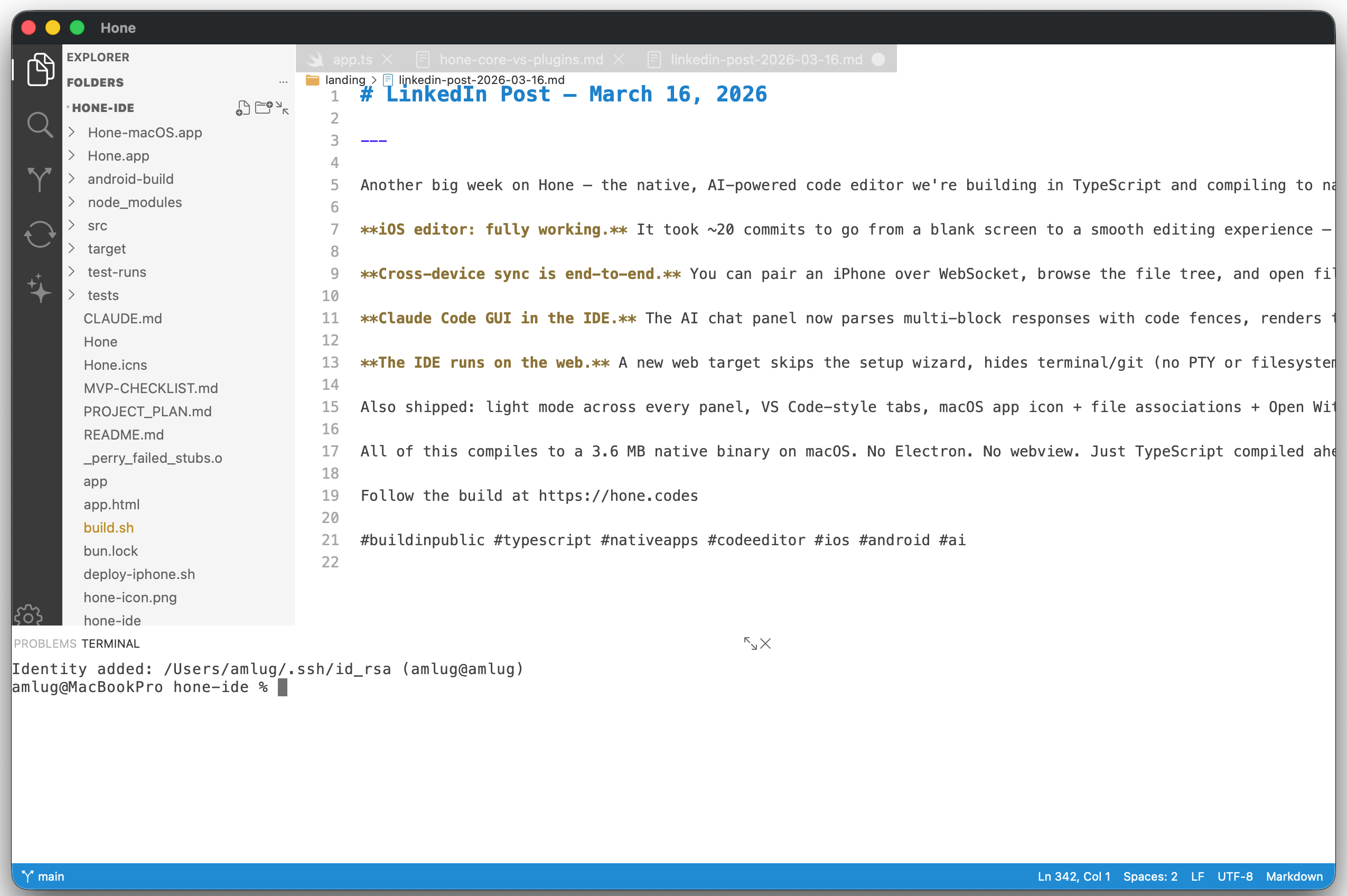
The promise is familiar JavaScript syntax with machine-code executables and a statically linked runtime and garbage collector. Perry showcases native applications including the Mango MongoDB interface and the emerging Hone code editor; their existence does not establish that arbitrary npm applications will compile unchanged.
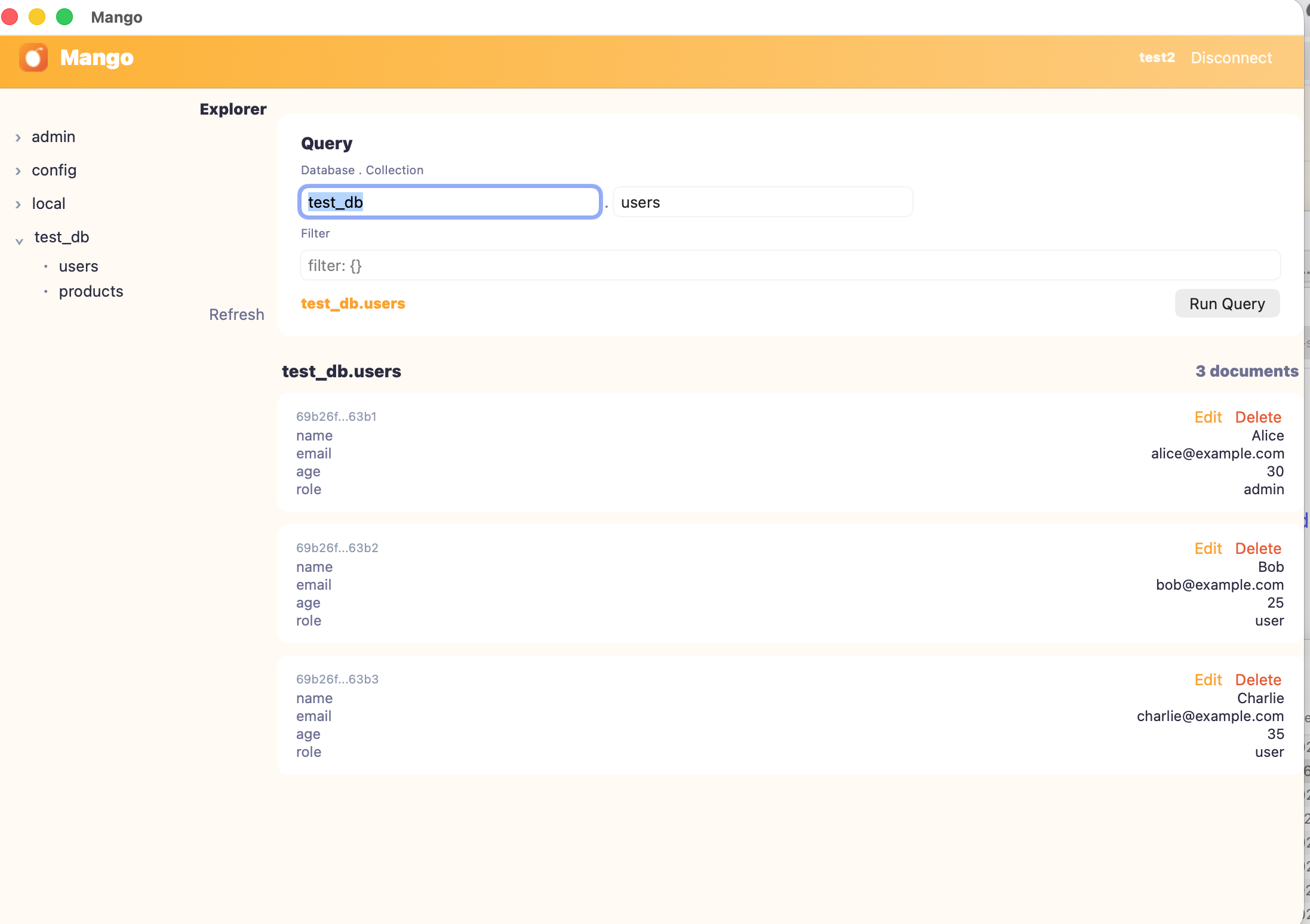
That distinguishes Perry from the Rust-based TypeScript compiler port pursuing faster type-checking and from JavaScript language semantics, which native compilers must still respect.
Next: Prove More Without Breaking Programs
The project is still pre-1.0. It needs more precise cross-unit contracts, lower compile costs and stable analysis identifiers before its optimization ambitions can be generalized. Developers can examine Perry’s public tests, while our Rust memory-safety lesson explains a different part of its implementation stack. The larger stakes are clear in TypeScript’s growing coding footprint: reliable native builds could expand where those programs run.
BitcoinVersus.Tech
BitcoinVersus.Tech Editor’s Note: We volunteer daily to ensure the credibility of the information on this platform is Verifiably True. If you would like to support our work and help further secure the integrity of our research initiatives, please scan the QR code below to donate 5,000 sats. For best results, scan the QR code from a laptop or larger screen.

Bitcoin address: 3C9o19EH5HSiwEPyCTmEKzxhNCbo2X6TTb. On mobile, display the QR on another screen or use a wallet’s saved-image scanner.
Disclaimer: BitcoinVersus.Tech provides technology and financial reporting solely for information and education. Estimated project schedules and performance claims are subject to change. This report is not investment advice.


Leave a Reply