
October 29–30, 2026 — Security researchers disclosed two high-severity weaknesses in Kubeflow Pipelines, the open-source system that coordinates machine-learning jobs on Kubernetes. One could expose another workload’s logs; the other could exhaust an API server’s memory through compressed pipeline uploads. Both carry 7.5 CVSS 3.1 ratings, and both are addressed in version 2.18.0, released October 28.
The issues matter because a production AI pipeline can handle training data, model artifacts and operational credentials across shared namespaces. A service that accepts pipeline packages or retrieves execution logs therefore needs boundaries beyond a user’s visible dashboard.
Flaw One: Archives That Expand in Memory
CVE-2026-118761 involves ZIP and compressed-tar uploads. The affected server could expand an incoming archive before checking namespace-level creation permissions, allowing a small upload to consume substantial memory under suitable conditions. The result is potential service interruption, not an automatic takeover of a cluster.
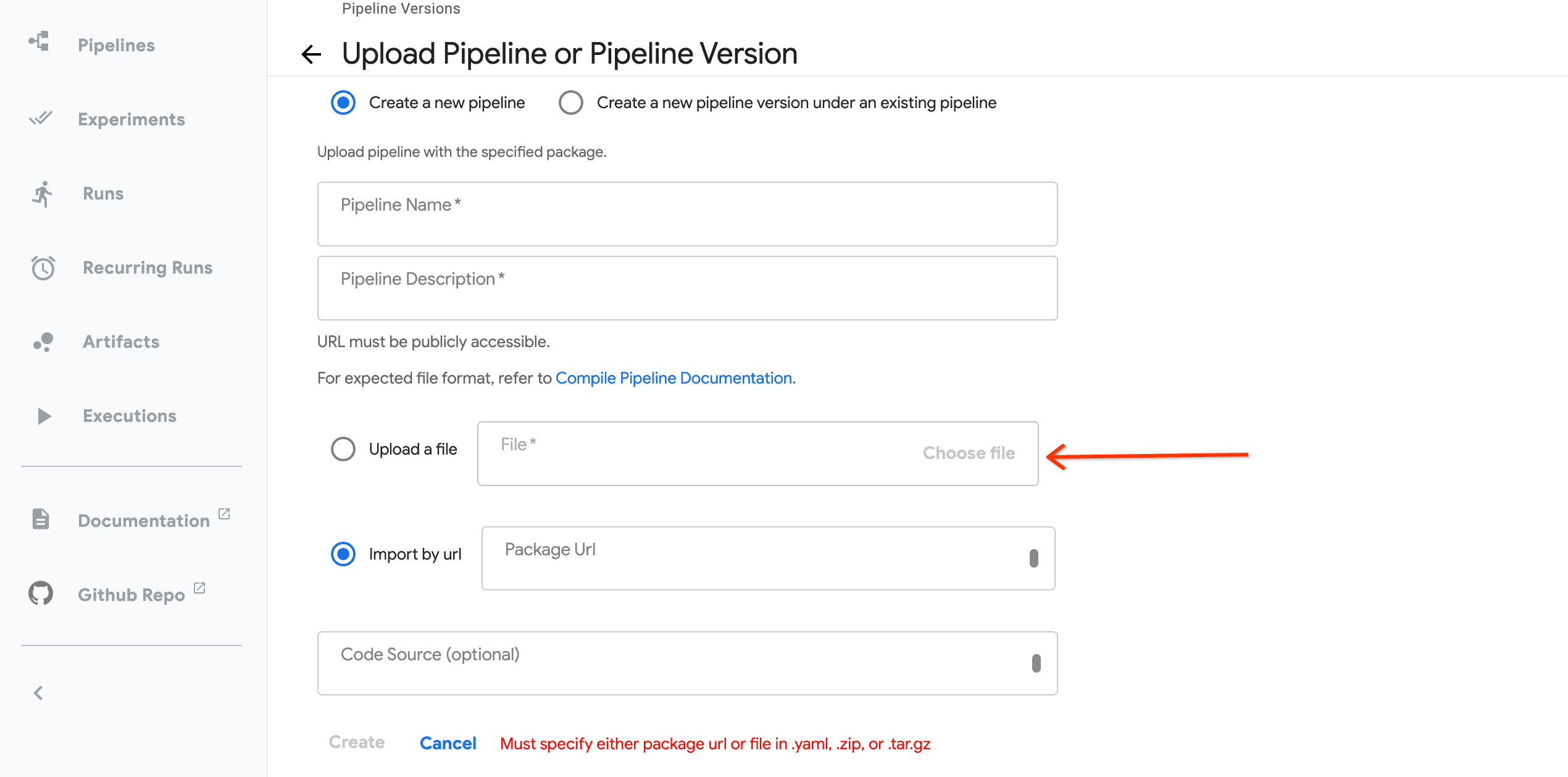
The fix limits compressed inputs, extracted pipeline specifications and tar traversal work. Restrictions on upload size alone cannot account for expansion after decompression, a related pattern in our reporting on compressed-data security defects.
Flaw Two: Logs Cross an Authorization Boundary
CVE-2026-118759 affected a backend endpoint that returned live or archived run logs without checking the caller’s permissions for the selected run. With the necessary run and pod identifiers and backend reachability, someone could potentially read records from a separate workload. Log files may contain sensitive inputs or secrets.
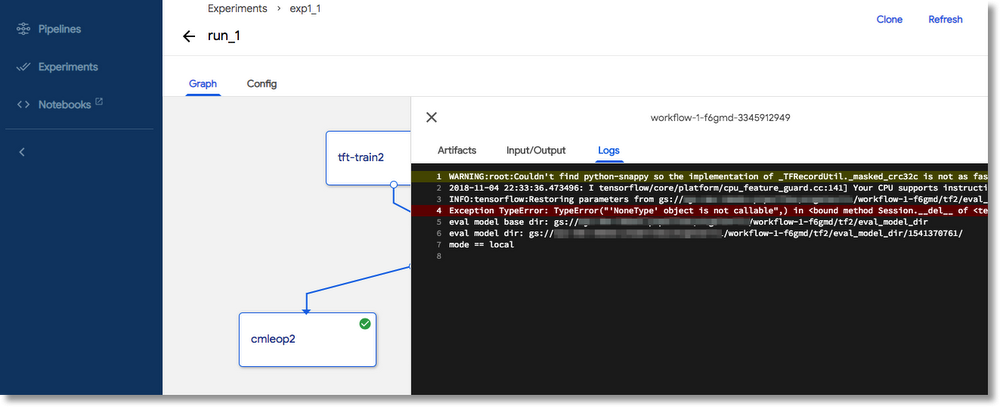
Version 2.18.0 adds the readLog authorization check and verifies that a live pod belongs to the requested run. External authentication, network policies and network segmentation remain relevant because exposure depends on how the API is deployed.
What Administrators Should Check
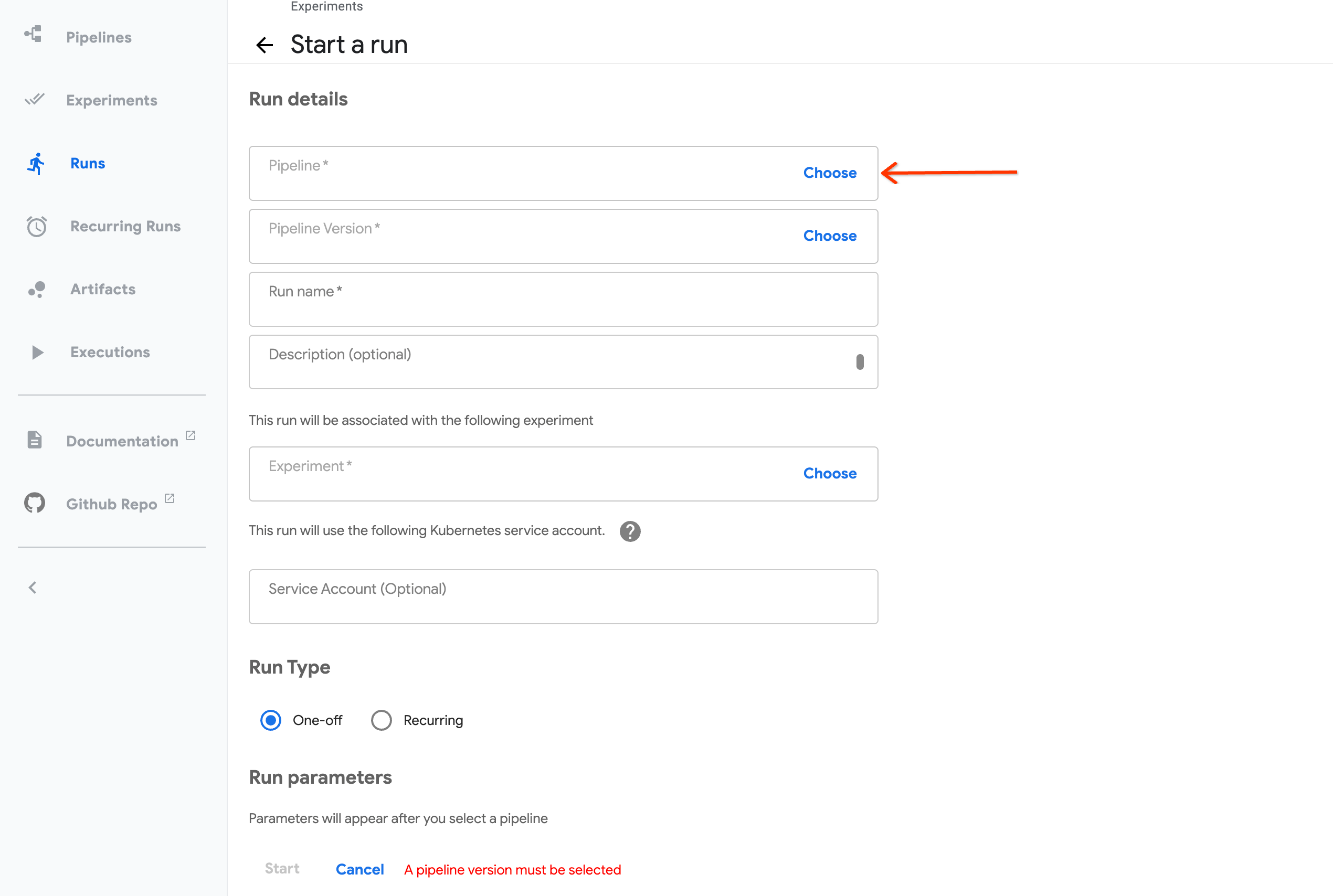
Operators should upgrade the deployed Kubeflow Pipelines backend to 2.18.0, not merely update a Python SDK on their laptop. The official upgrade guide recommends verifying custom Kubernetes roles, pipeline execution, archived logs and artifact access after rollout. Custom roles may need the new log permission.
Neither advisory establishes widespread real-world exploitation. The release also warns that broadly shared artifact storage credentials can still weaken tenant isolation. Like the previously reported GitLab patching emergency and developer-extension backdoors, these findings reinforce the need to audit permissions surrounding software development and AI operations.
BitcoinVersus.Tech
BitcoinVersus.Tech Editor’s Note: We volunteer daily to ensure the credibility of the information on this platform is Verifiably True. If you would like to support our work and help further secure the integrity of our research initiatives, please scan the QR code below to donate 5,000 sats. For best results, scan the QR code from a laptop or larger screen.

Bitcoin address: 3C9o19EH5HSiwEPyCTmEKzxhNCbo2X6TTb. On mobile, display the QR on another screen or use a wallet’s saved-image scanner.
Disclaimer: BitcoinVersus.Tech provides technology and financial reporting solely for information and education. Estimated project schedules and performance claims are subject to change. This report is not investment advice.


Leave a Reply