
The U.S. Cybersecurity and Infrastructure Security Agency added GitLab vulnerability CVE-2026-97229 to its Known Exploited Vulnerabilities catalog on October 29, 2026, confirming attacks against a maximum-severity flaw in self-managed GitLab servers. Federal agencies face a November 1 remediation deadline, while private operators are urged to patch promptly.
The flaw is an integer overflow in GitLab’s CI/CD regular-expression compiler. Under certain conditions, a crafted expression could let an unauthenticated attacker execute code on a vulnerable server. GitLab’s October 12 advisory rated it 10.0 on the CVSS 3.1 scale.
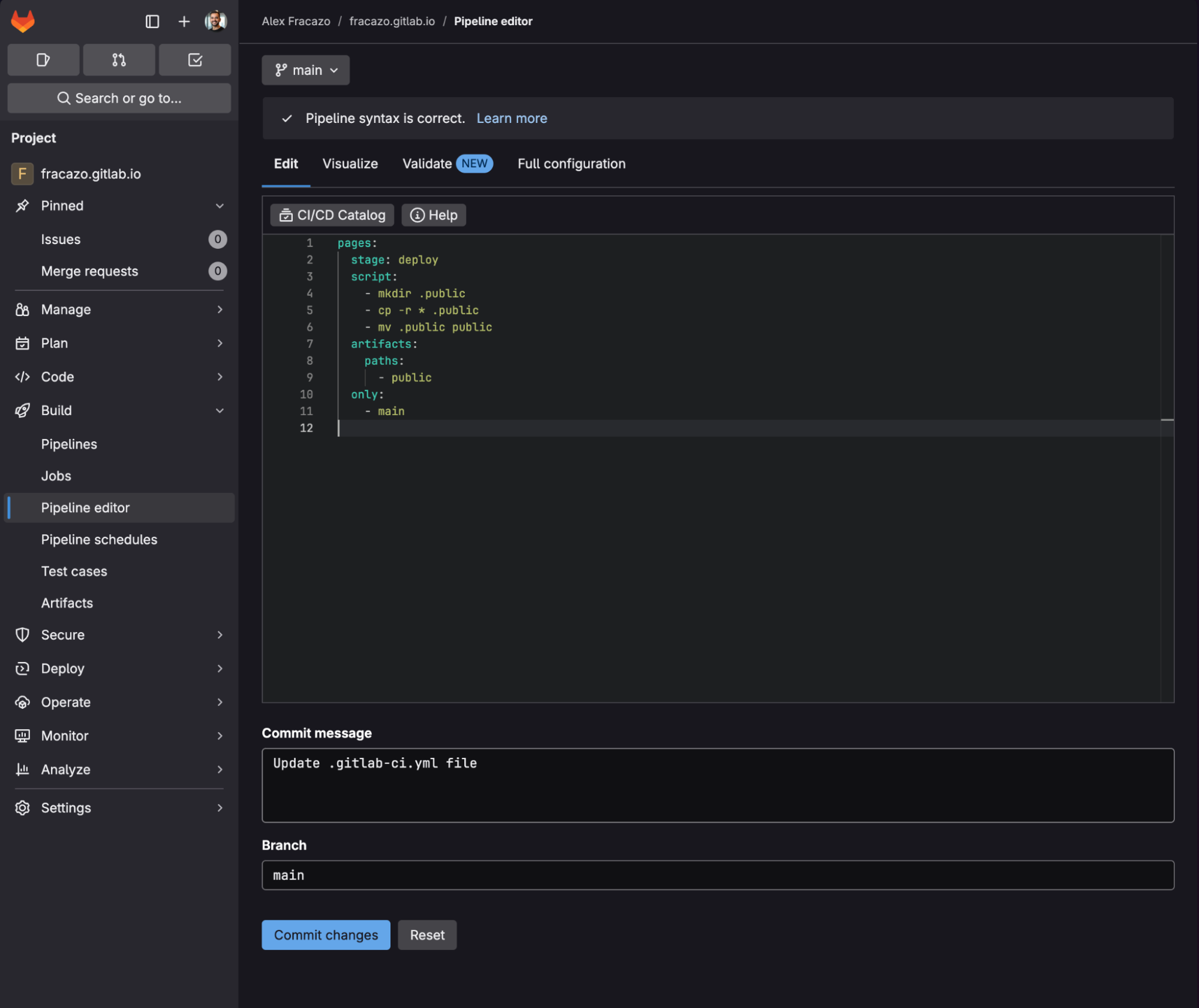
Install the latest supported patch
The affected releases include GitLab 19.2 before 19.2.8, 19.3 before 19.3.5, and 19.4 before 19.4.2. Those were the original minimum fixes. However, GitLab issued another critical patch set October 21 for a separate regular-expression flaw, CVE-2026-110264. Administrators should install the latest supported branch update rather than treating an older minimum fix as sufficient.
GitLab says its hosted GitLab.com service and GitLab Dedicated installations are already protected. The concern centers on self-managed installations, particularly internet-facing instances and those handling valuable repository access or CI/CD credentials and API tokens.
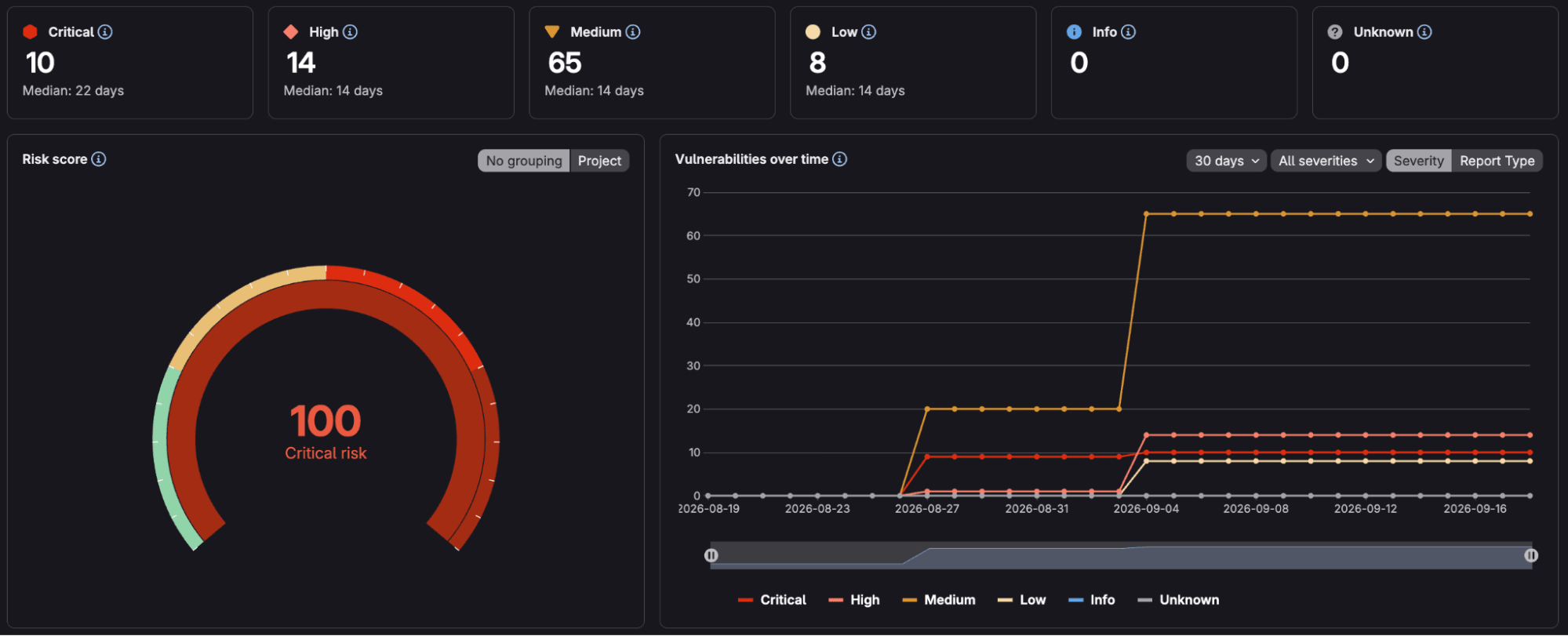
Why exploitation matters now
A CISA listing means credible evidence of exploitation exists; it does not establish the number of compromised customers or identify an attacker. GitLab has published six threat-detection indicators, while Rapid7’s technical advisory describes the affected release branches and available fixes.
This warning follows other urgent software risks, including critical PHP2Shell patches and exploited VPN vulnerabilities. Across these incidents, the operational lesson is consistent: identify exposed systems, deploy a supported patch and verify its actual installation.
GitLab’s official Security Dashboard demonstration shows vulnerability triage features. Video: GitLab; this is a product walkthrough, not footage of the exploit.
GitLab administrators should review the vendor’s detection guidance and relevant logs, investigate suspicious activity, and rotate sensitive credentials if compromise is suspected. Limiting public access to administrative services follows the same internet-exposure principles used for industrial systems. A patch closes the known flaw; it does not undo damage from any earlier intrusion.
Support BitcoinVersus.Tech
BitcoinVersus.Tech Editor’s Note: We volunteer daily to ensure the credibility of the information on this platform is Verifiably True. If you would like to support to help further secure the integrity of our research initiatives, please scan the QR code to donate (For the best results, scan the QR code on a Laptop or larger screen).

Donation reference: 5,000 sats. Bitcoin address: 3C9o19EH5HSiwEPyCTmEKzxhNCbo2X6TTb. On a mobile phone, display this QR on a second screen and scan it with your Bitcoin wallet, or use the wallet’s saved-image QR scanner if supported. On desktop, scan the QR with your phone.
BitcoinVersus.tech is not a financial advisor. This media platform reports on financial subjects purely for informational purposes.


Leave a Reply