
The U.S. Cybersecurity and Infrastructure Security Agency (CISA) added a Cisco Secure Firewall vulnerability to its Known Exploited Vulnerabilities catalog on October 29, 2026, after Cisco disclosed the flaw on October 28. The weakness, CVE-2026-76418, allows a remote, unauthenticated attacker to force certain ASA or FTD firewalls to reload, potentially interrupting employee VPN access. Cisco says it became aware of active exploitation in October.
Cisco assigns the flaw an 8.6 out of 10 CVSS 3.1 severity score. It involves a logic error in secondary-authentication handling for remote-access SSL VPN tunnel groups. Exposure requires vulnerable software, a reachable VPN login service, and the specified secondary-authentication configuration. A successful login is not necessary to trigger the affected processing path.
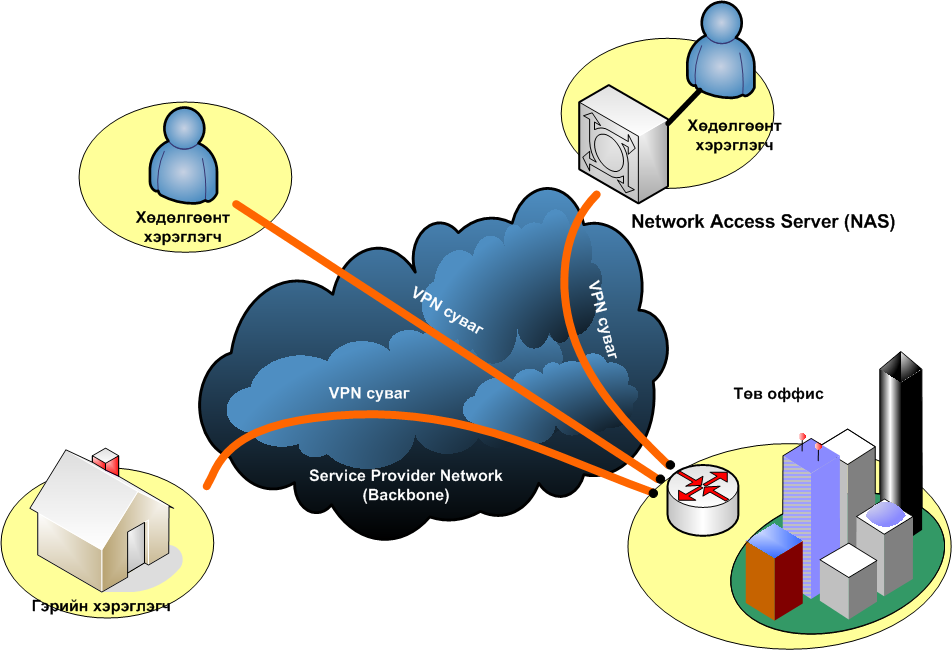
Where the fault occurs
The affected service sits at the boundary between outside users and private networks. Remote-access VPNs are distinct from the internal firewall segmentation that limits movement after access. A forced firewall reload can interrupt legitimate remote sessions, but Cisco’s advisory does not describe this particular flaw as data theft or remote code execution.
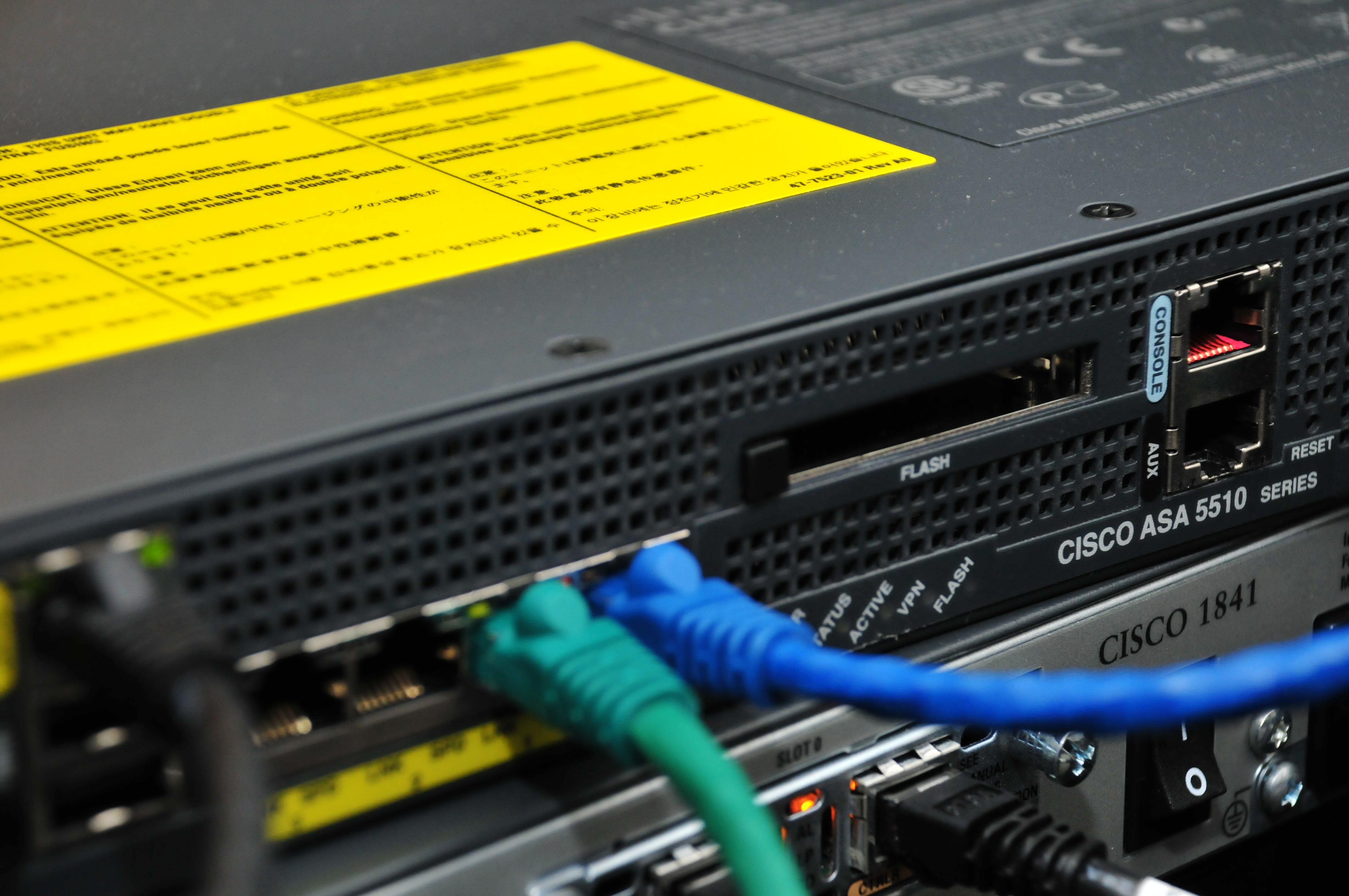
What operators should fix
Cisco lists fixed releases across multiple supported branches. Examples include ASA 9.20.4.50 for the 9.20 line and FTD 7.4.9 for the 7.4 line. Operators should use Cisco’s full fixed-release table and Software Checker rather than applying another branch’s version number. This is particularly important for administrators responsible for enterprise perimeter firewalls.
Cisco provides a temporary mitigation involving secondary authentication or tunnel-group listing, but warns that turning off secondary authentication can weaken VPN security. The vendor does not classify these changes as complete workarounds. Teams using RADIUS-backed access controls should coordinate changes before deployment rather than casually removing a factor.
Official Cisco remote-access VPN hardening tutorial (November 2024). This explains defensive configuration, not the October 2026 vulnerability.
Cisco also published a second practical Remote Access VPN hardening walkthrough explaining how administrators can strengthen authentication and session controls. It is background guidance, not a demonstration of exploitation.
Official Cisco video, RAVPN Hardening Measures in Secure Firewall — Part 2, December 3, 2024. This video covers defensive VPN settings rather than CVE-2026-76418.
CISA corrected its alert
CISA’s corrected October 29 notice lists the Cisco vulnerability alongside a separate exploited GitLab server flaw. The agency corrected an error in an earlier version of its notice. A KEV listing establishes evidence of exploitation, not the number of affected organizations or the identity of attackers.
Administrators should inventory internet-facing ASA and FTD VPN gateways, check deployed configuration and software, upgrade through a tested maintenance window, and verify the running version afterward. As with other exposed infrastructure, patching and reviewing logs are separate tasks: a successful upgrade does not establish that earlier unauthorized activity never occurred.
BitcoinVersus.Tech
BitcoinVersus.Tech Editor’s Note: We volunteer daily to ensure the credibility of the information on this platform is Verifiably True. If you would like to support our work and help further secure the integrity of our research initiatives, please scan the QR code below to donate 5,000 sats. For best results, scan the QR code from a laptop or larger screen.

Bitcoin address: 3C9o19EH5HSiwEPyCTmEKzxhNCbo2X6TTb. On a phone, open the QR image on another screen or copy and verify the address in your wallet before sending.
BitcoinVersus.tech is not a financial advisor. This media platform reports on financial subjects purely for informational purposes.


Leave a Reply