The U.S. Cybersecurity and Infrastructure Security Agency added CVE-2026-19868 to its Known Exploited Vulnerabilities catalog on November 6, 2026, after evidence of real-world exploitation involving SonicWall firewalls. The flaw can let someone possessing valid credentials for a different login method bypass SAML authentication controls on an SSL-VPN service, potentially defeating the multi-factor authentication (MFA) enforced through SAML. CISA lists November 20 as the federal remediation deadline.
Why a second authentication path matters
A secure sockets layer virtual private network (SSL-VPN) gives remote employees encrypted access to company resources. The authentication layer decides who may enter. Security Assertion Markup Language (SAML) allows an external identity provider to perform login and enforce a second factor. The weakness occurs when a firewall permits an alternate valid credential to reach the service without enforcing the intended SAML checks.
Unlike a password-free, unauthenticated exploit, the documented vulnerability requires valid credentials for an alternate authentication method. SonicWall says the issue concerns SSL-VPN installations using SAML authentication, not every firewall or every VPN configuration. BitcoinVersus.Tech has previously explained multi-factor authentication and virtual private networks.
Which SonicOS versions need updates
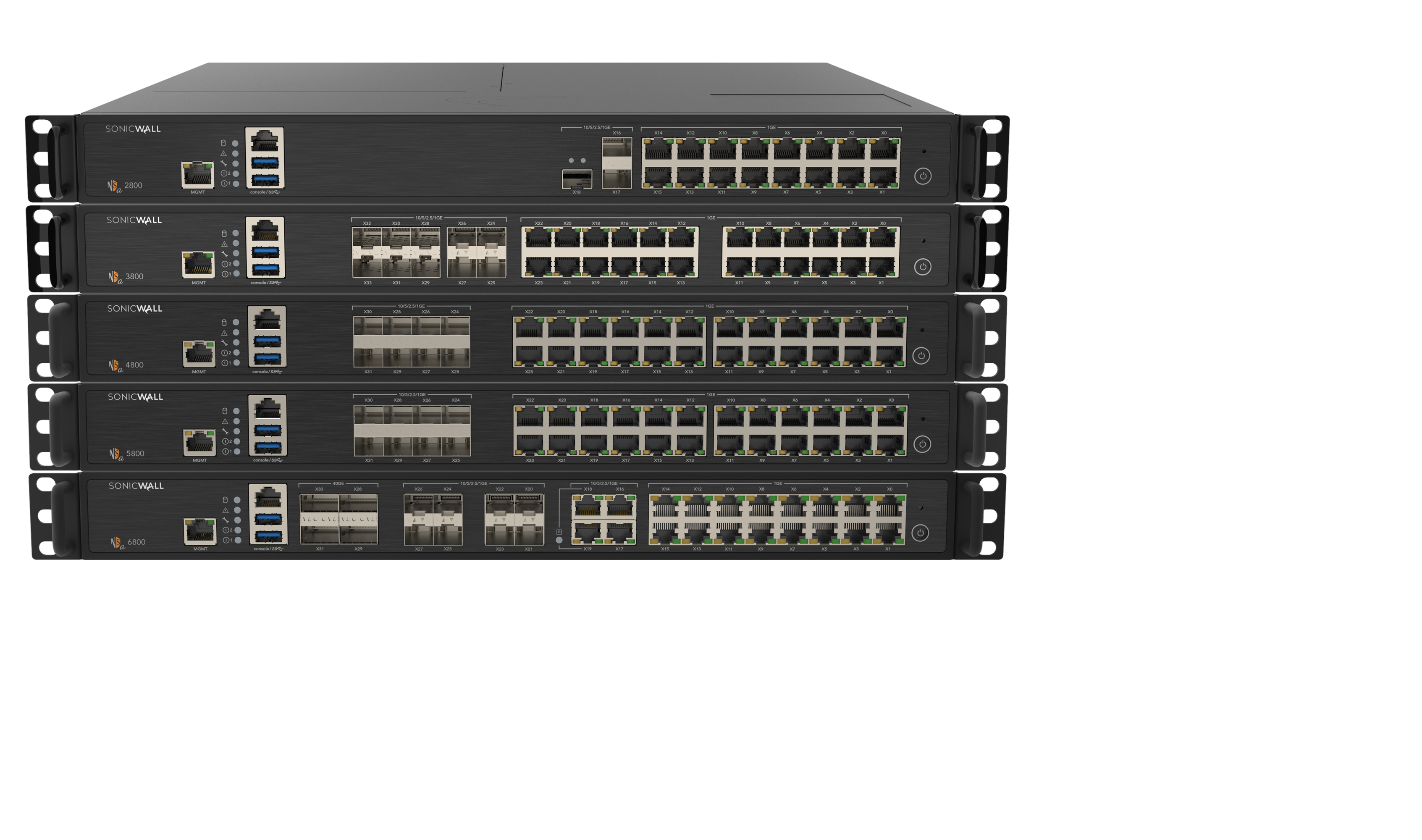
The SonicWall Gen 7 and Gen 8 security notice identifies Gen 7 SonicOS 7.3.3-7015 and older builds, together with Gen 8 SonicOS 8.2.2-8015 and older builds. The listed fixes are 7.3.4-7013 or later for Gen 7 and 8.2.3-8015 or later for Gen 8. Physical and virtual products appear in the advisory. Administrators should match firmware to their exact appliance and check the PSIRT advisory SNWLID-2026-0014 for updated release guidance.
The same advisory covers seven CVE identifiers; its highest listed severity reaches 8.8, but the headline exploited SAML bypass is a separate flaw. SonicWall says it investigated a report of potential exploitation, while CISA’s exploited-vulnerability listing establishes the federal agency’s evidence assessment. Neither source identifies a specific threat actor, attack count or confirmed victim total. CISA marks ransomware use as unknown.
A patch is necessary, but review access as well
SonicWall lists no workaround in the published PSIRT advisory. Network operators should inventory exposed SSL-VPN services, verify whether SAML is enabled, identify the running SonicOS build and apply the vendor’s fixed firmware. Where updates cannot be completed immediately, reducing network exposure may lower risk but does not substitute for a patch. Teams should examine authentication logs and remote-access activity for unexpected successful sessions, then validate normal login and MFA behavior after updating.
Remote access remains an important attack surface
The development follows other exploited edge-device weaknesses, although the causes and affected products differ. Prior BitcoinVersus.Tech coverage examined Ivanti VPN security fixes, Cisco firewall VPN exploitation and an earlier SonicWall SMA1000 vulnerability. SMA1000 is a distinct product, and the earlier CVE must not be conflated with the new SonicOS SSL-VPN flaw.
The Canadian Centre for Cyber Security also issued a November 6 advisory acknowledging exploitation and urging updates. For security teams, the decisive task is not merely confirming that MFA is configured: they must verify that every permitted authentication route actually enforces the intended policy.
Editor’s Note: The vulnerability description, affected builds, fixed versions and exploitation language were checked against SonicWall PSIRT advisory SNWLID-2026-0014, SonicWall’s firmware notice, CISA’s KEV catalog, and Canada’s Cyber Centre advisory, all reviewed for the November 6, 2026 development. The cover is an editorial illustration, not an image of a compromised device. The two videos are archival educational context; video playback and embedding permissions require independent checks.

To donate 5,000 sats, open the article on a separate display and scan the original QR code with a compatible Bitcoin wallet. On mobile, use another screen or your wallet’s supported image-scanning feature. Verify the destination 3C9o19EH5HSiwEPyCTmEKzxhNCbo2X6TTb before sending.
We volunteer daily to ensure the information on this platform is Verifiably True. If you would like to support the research, please scan QR code.
BitcoinVersus.tech is not a financial advisor. Security reporting is informational and should be checked against current vendor guidance before changes to production systems.


Leave a Reply