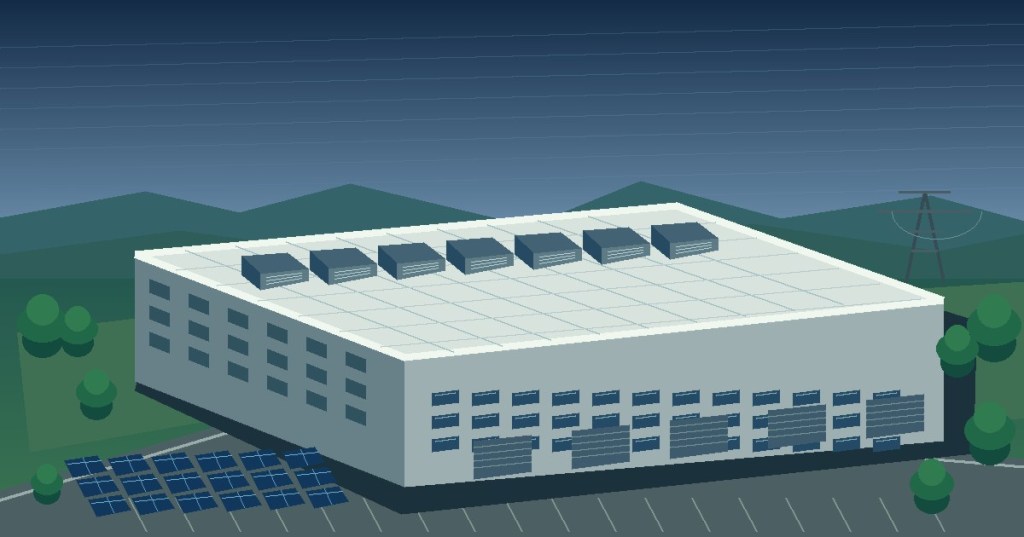
Google announced plans on November 4, 2026, to invest US$15 billion in Malaysia during 2027 and 2028, expanding data center infrastructure alongside clean energy, water-security projects and workforce training. Alphabet and Google president and chief investment officer Ruth Porat presented the commitment at an event in Kuala Lumpur attended by Prime Minister Anwar Ibrahim. The company plans campuses in Selangor and Negeri Sembilan, but has not disclosed a site-by-site spending breakdown or commissioning timetable for the new facilities, according to Reuters.
The commitment builds on Google’s US$2 billion investment announced in 2024 for a first Malaysian data center and Google Cloud region at Elmina Business Park. The original campus is now described as operational, while additional facilities remain plans. Malaysia has also attracted other AI infrastructure developers, including Bitdeer’s 60 MW project. Neither Google’s proposed spending nor another operator’s contracted power establishes immediate new online compute capacity.
Google Malaysia’s October 2024 video of the groundbreaking for its original US$2 billion Elmina Business Park data-center and cloud-region investment. Historical background, not a 2026 groundbreaking. Source: Google Malaysia.
Google says the expansion will be supported by plans to add more than 1 gigawatt of new clean-energy generation capacity to Malaysia’s national grid. A gigawatt measures power capacity, not electricity produced; actual generation depends on technology, availability and operating conditions. Google also pledged to pay for its campuses’ electricity and direct grid-connection infrastructure. The need for new power lines and construction schedules is examined in BitcoinVersus.Tech’s report on solar projects and grid lead times.
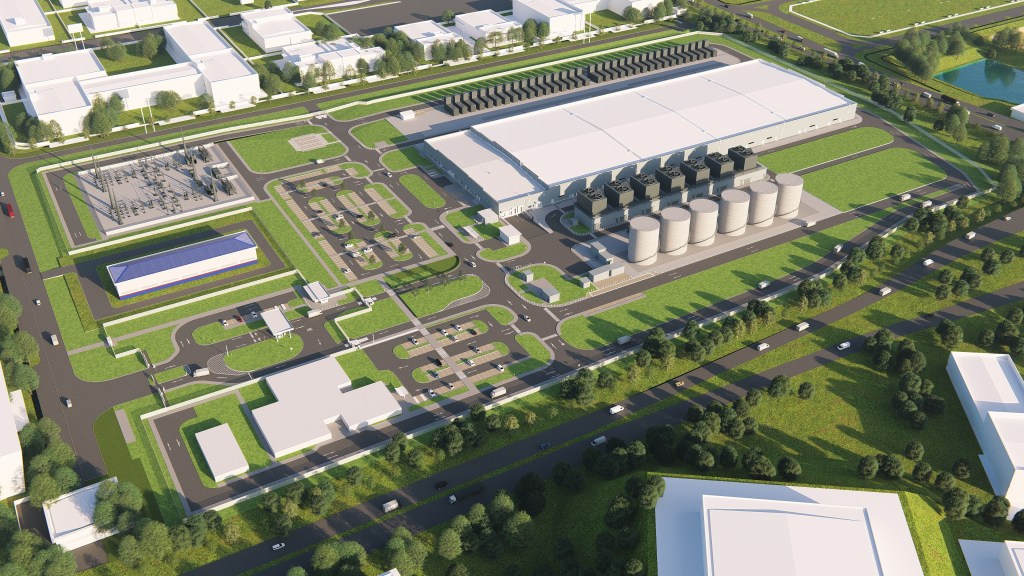
Energy efficiency will be another test. Google forecasts a power usage effectiveness, or PUE, of 1.12–1.14 for its Malaysian campuses. PUE divides total facility electricity use by computing equipment electricity use. Under the definition, a PUE of 1.12 represents 12% facility overhead relative to IT energy. The reported range is a company projection for campuses, not independently measured operating performance of the newly planned sites. Cooling design, weather and equipment loading will affect actual results.
Water is a separate infrastructure dependency. On November 2, Google announced US$160 million in funding for an off-river reservoir and water-treatment plant in Negeri Sembilan. The planned facility is rated to supply up to 65 million liters of potable water per day for public use and Google’s forthcoming campus. The figure describes the water plant’s total design capacity, not predicted data-center consumption. Google appointed Gamuda to build the infrastructure with state partners.
Google Sustainability’s September 2025 overview of data-center water use, water sources and stewardship. Context for the newly announced Negeri Sembilan water project. Source: Google Sustainability.
The proposed buildout could contribute an annual average of US$1.1 billion to Malaysia’s GDP during construction and support more than 37,000 jobs per year, Google estimates. Once operational, facilities are projected to sustain more than 9,000 local jobs per year. Those are modeled outcomes, not verified hires. Google also announced programs aimed at upskilling 800,000 people over five years. An earlier DayOne data-center report illustrates why financial commitments, bookings and delivered infrastructure must remain distinct.
The commercial appeal is substantial: more local processing capacity could support AI services, data-residency needs and regional digital businesses. Yet power procurement, water availability, environmental permissions and construction costs remain unresolved risks until milestones are documented. Hardware also needs fiber connections and switching capacity, as outlined in BitcoinVersus.Tech’s optical-transceiver engineering guide.
The next evidence will come from signed energy-development agreements, site permits, detailed capital allocations, water-project construction, commissioning dates and independently measured PUE. Google has described an ambitious investment program; its completed economic and environmental results remain to be demonstrated.
BitcoinVersus.Tech Editor’s Note: We volunteer daily to ensure the credibility of the information on this platform is Verifiably True. If you would like to support to help further secure the integrity of our research initiatives, please donate using the QR code provided

For best QR-code scanning results, please scan this donation code from a desktop or larger screen. Mobile screens may prevent camera recognition. Verify the receiving address 3C9o19EH5HSiwEPyCTmEKzxhNCbo2X6TTb before sending.
Disclaimer: BitcoinVersus.Tech is not a financial advisor. This media platform reports on financial subjects purely for informational purposes.


Leave a Reply