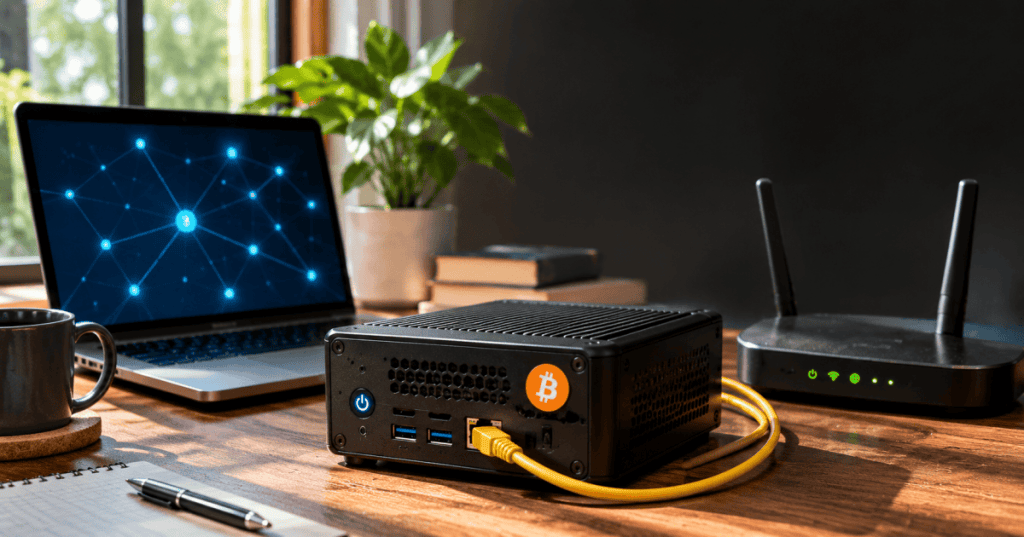
Bitcoin developers have resumed work on a technique that could help home nodes accept peer-to-peer connections even when their routers block unsolicited incoming traffic. The approach, known as TCP hole punching, was highlighted in the November 6, 2026 Bitcoin Optech newsletter. Researcher 0xB10C is drafting a specification and experimental Bitcoin Core implementation. The work remains a proposal, not an activated Bitcoin feature or a production-ready update.
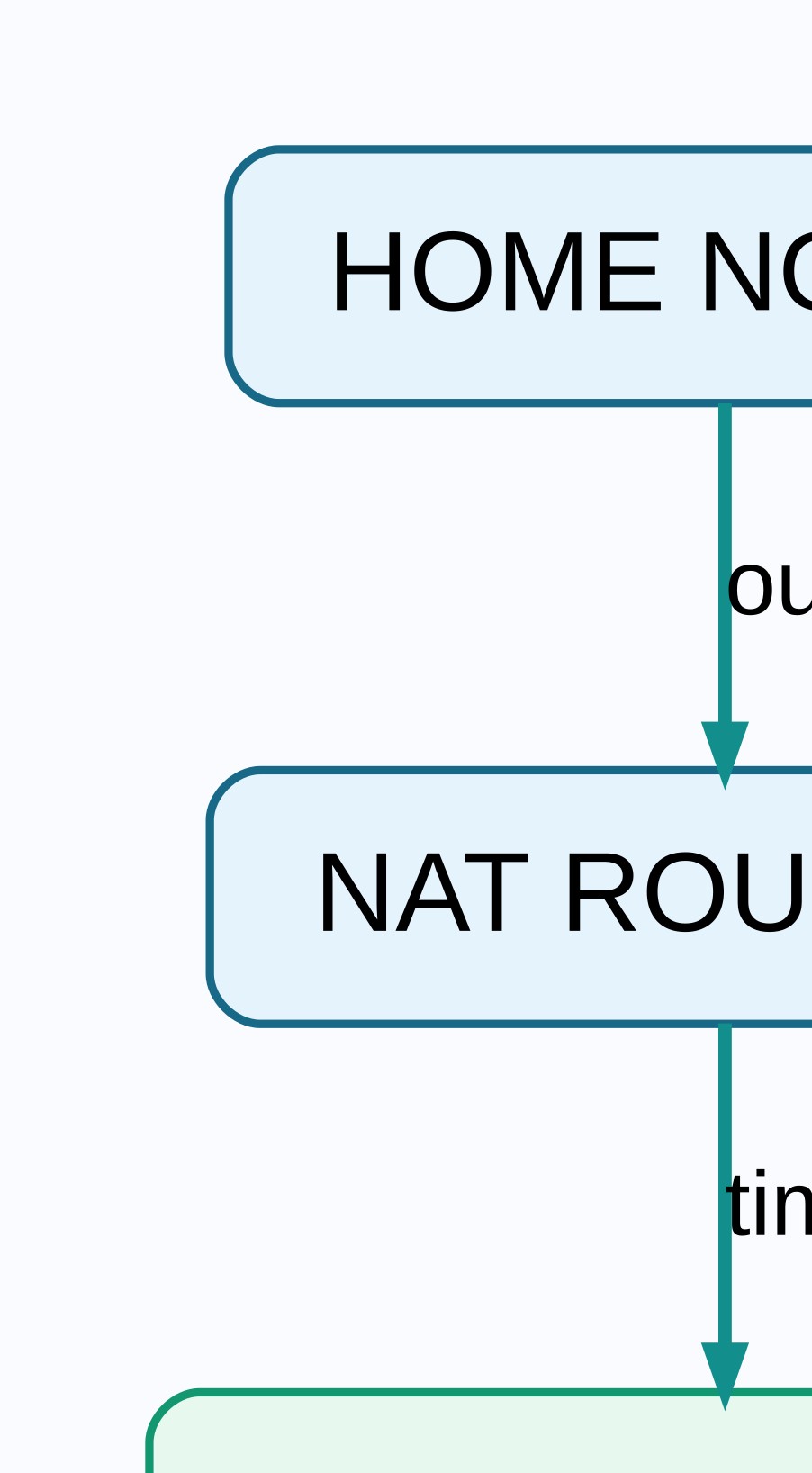
Home Bitcoin nodes often sit behind network address translation, or NAT. A residential router shares one public internet address among several local devices and tracks connections that originated inside the home. Outbound Bitcoin connections commonly work, while incoming attempts from unknown peers need explicit port forwarding, automatic mapping or another supported method. BitcoinVersus.Tech previously explained how a NAT table manages connections and why port 8333 matters for Bitcoin nodes.
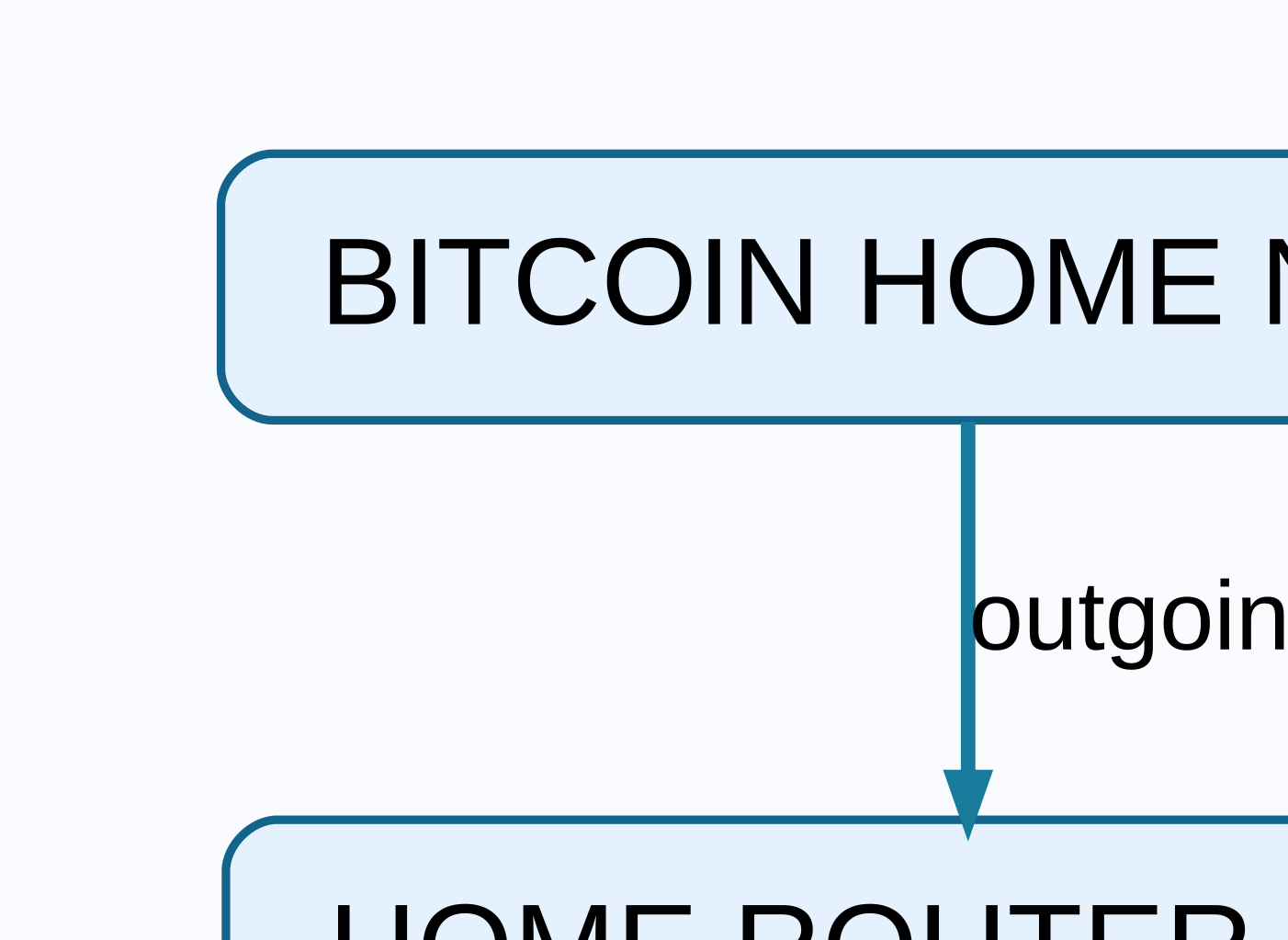
Two routers, one simultaneous connection attempt
TCP hole punching attempts to exploit the temporary connection state created when two devices behind separate routers initiate outbound TCP connections at nearly the same time. If the devices know each other’s reachable address and port, and the routers behave compatibly, their requests may establish a direct peer connection. No universal success guarantee exists; restrictive NAT behavior can still prevent a link.
In an October discussion, 0xB10C outlined several ways to arrange a meeting between peers: a coordinating node, an unadvertised Tor service, a matchmaking pool or a handoff by an existing connected peer. Each method introduces different privacy, coordination and complexity costs.
A later coordinator-free design proposed ephemeral public keys in new address announcements. Both nodes would derive a shared secret, combine it with a future block hash, and use the result to determine potential peers and approximate connection timing. The future block hash is intended to frustrate attempts to manipulate peer-selection rankings. However, public IP addresses remain exposed, and successful delivery of announcements has proved challenging.
More peers can also mean more attackers
The potential benefit is a more diverse collection of reachable Bitcoin peers. Additional honest connection options could reduce dependence on public servers and improve resistance to attempts to isolate nodes. BitcoinVersus.Tech’s node-consensus explainer describes why independent full nodes matter for enforcing transaction and block rules.
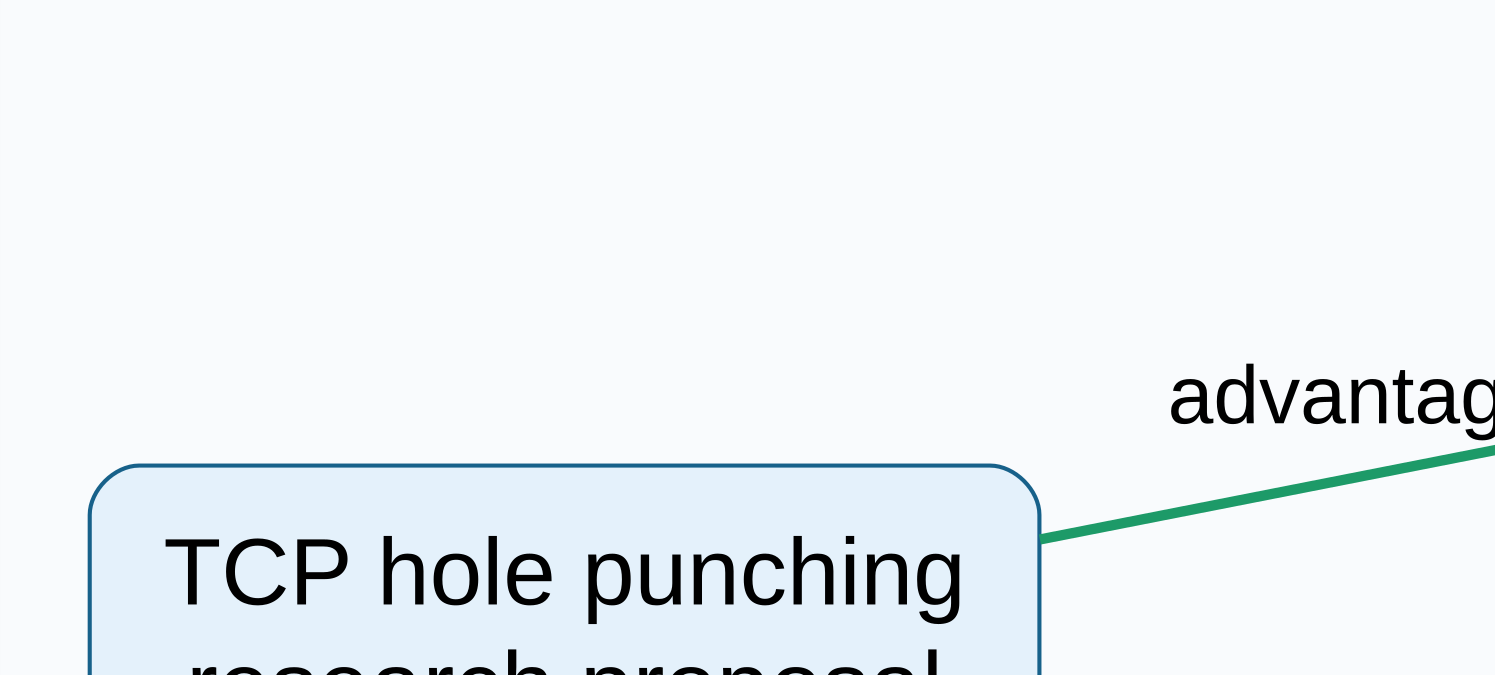
Bitcoin contributor Anthony Towns questioned whether automatic hole punching might make honest nodes easier for attackers to contact without materially improving the chance of finding an honest peer. His objection emphasizes that direct connections can expose software to spying, denial-of-service activity and unpatched vulnerabilities. Recent Bitcoin Core security fixes provide practical context for that concern.
The developers are also debating how to reject forged address announcements, avoid connection floods and decide whether Tor-based coordination offers a safer trade-off. Network quality remains another constraint: a reachable peer is not necessarily a reliable peer. BitcoinVersus.Tech has separately explained packet loss and jitter in networked applications.
Bitcoin Core 30.0 already enabled NAT-PMP port mapping by default, but Optech reports that the change did not produce the anticipated increase in reachable home nodes. TCP hole punching is being considered as a best-effort supplement, not a replacement for manual port forwarding or fully configured reachable nodes.
The next meaningful milestone would be a reviewable specification and working experimental implementation, followed by measured connection success rates and adversarial testing. No activation date, deployment scope, or user upgrade requirement has been announced. For now, the debate is about an engineering possibility and its security trade-offs, not a change to Bitcoin consensus.
Primary sources: Bitcoin Optech Newsletter #430, November 6, 2026; 0xB10C’s design comparison; coordinator-free candidate; and Anthony Towns’s security critique.
Editor’s Note: The TCP hole-punching work is an active research discussion, not released or enabled Bitcoin Core functionality. Statements about potential reachability improvements and security risks represent proposals, engineering reasoning, or developer critiques rather than independently measured deployment results. All in-story diagrams are simplified original conceptual artwork. The cover is a conceptual editorial illustration, not a real photograph of a specific node.
Support BitcoinVersus.Tech
To support independent research, scan the original approved QR below for an optional 5,000-satoshi contribution. Mobile readers can display the article on a second device and scan it with a compatible Bitcoin wallet, or use a wallet’s image-scanning function when supported. Confirm the receiving address and amount before authorizing payment.

We volunteer daily to ensure the information on this platform is Verifiably True. If you would like to support the research, please scan QR code.


Leave a Reply