
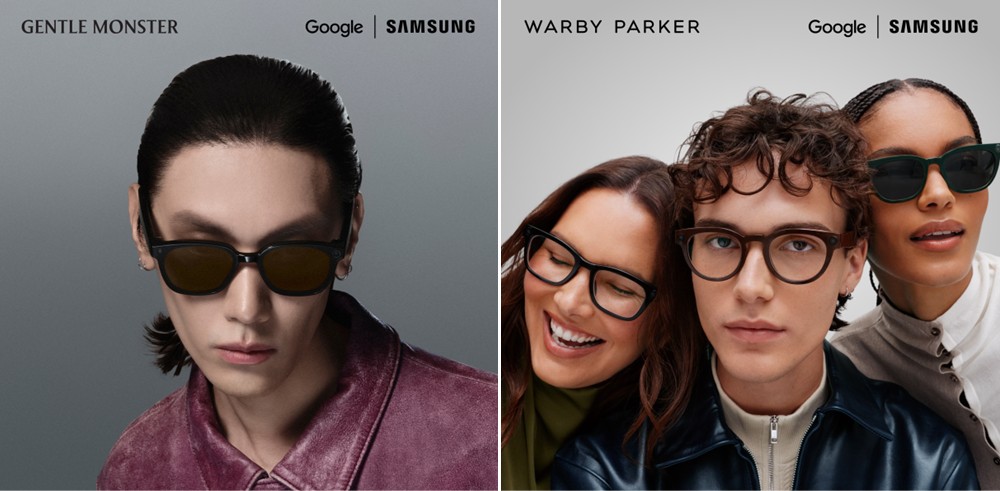
Samsung and Google have opened U.S. preorders for Gemini-powered intelligent eyewear, with sales scheduled to begin December 10, 2026. Warby Parker models start at $395, while Gentle Monster models cost $449–$489. The glasses use cameras, microphones and open-ear speakers to deliver AI assistance without requiring users to hold a phone. Their launch also tests whether privacy safeguards can make camera-equipped eyewear acceptable in everyday public spaces.
The hardware behind the frames
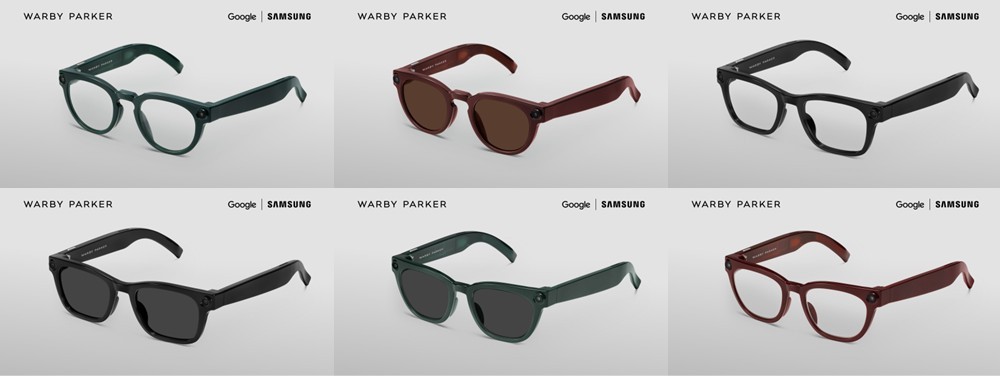
The products combine Samsung engineering, Google’s Android XR software and Gemini assistant, plus nine base frame styles from the two eyewear brands. Color, width and lens configurations produce 30 marketed variations, rather than 30 completely different hardware platforms. Samsung lists a Snapdragon AR1 Gen 1 processor, 12-megapixel HDR camera, four microphones, two open-ear speakers, 2 GB of RAM and 64 GB of storage.
Samsung quotes a typical weight around 41 grams and up to nine hours per charge under a mixed-use test, with a charged case enabling up to 72 hours total use. Real-world endurance will vary with video recording, wireless activity and Gemini requests. The glasses are rated IPX4 for splashes, not swimming. Their primary interface is voice and audio: they do not include a projected visual display. That distinction separates them from display-focused products such as XREAL AURA.
What Gemini can do—and what remains conditional
The camera gives Gemini visual context for answering questions about signs, objects and surroundings. Users can request translations, directions, brief meeting summaries, notifications and voice messaging. Compatible phones handle some processing through a split-compute design; a connected phone, supported apps and network access remain important. Samsung lists recent Galaxy and Pixel devices plus qualifying iPhones, but exact operating-system requirements and feature support vary.
Google also promotes Guided Vision audio descriptions for blind or low-vision users, but cautions that the tool can make mistakes and is not a mobility or safety aid. Its initial accessibility features require supported Android phones. More broadly, the announcement builds on work BitcoinVersus.Tech covered in Snap’s AI-enabled Specs and local AI for smart glasses.
Privacy controls face the real test
Google says visuals supplied for Gemini questions are not kept in Gemini History or used for AI training or ad targeting. Bystanders’ faces are designed to be redacted before Gemini processes visual requests. For ordinary saved photos and video, however, the external camera indicator illuminates and the wearer may retain recordings; face redaction does not automatically erase people from saved footage. Google says camera capture is disabled if the recording indicator is covered or malfunctioning.
The safeguards are vendor claims pending wider independent testing after retail availability. Microphones, consent, potential misuse and limits on bystander awareness remain significant concerns. Google additionally describes encrypted storage and transmission, camera permissions and a physical off switch; its stronger Private AI Compute feature is planned rather than available at launch. The broader debate echoes BitcoinVersus.Tech’s earlier coverage of smart-glasses privacy restrictions.
Preorders began November 12; Samsung says general U.S. availability is December 10. No independent battery-life or privacy stress-test results are yet available from widespread retail ownership. Success will depend on practical reliability, comfort and consumer trust as much as Gemini’s feature list.
Primary sources
Samsung Electronics — November 12 release and specifications; Google — preorder announcement; Google — privacy safeguards and limitations; Reuters — market context and privacy concerns.


Leave a Reply