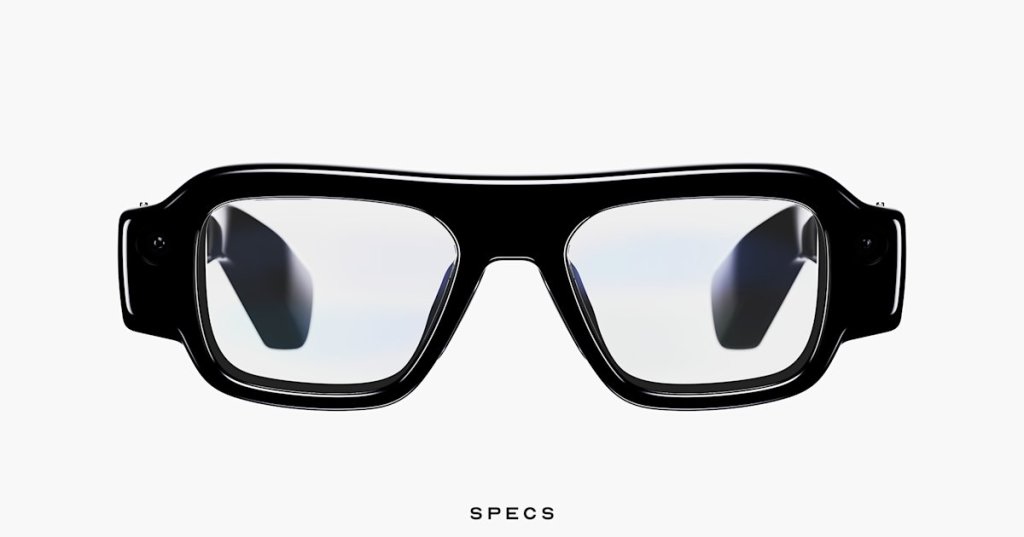
Snap is trying to turn augmented reality glasses into something more practical than a futuristic demo. Its new SPECS are a $2,195 standalone computer worn on the face, and the company is pitching them directly at factory floors, field service, retail, remote support, and other jobs where workers need their hands free. The more interesting part is not the glasses alone: Snap is connecting them to AI agents, enterprise data, and spatial software so information can appear exactly where the worker is already looking.
The Glasses Are the Interface; the AI Agent Is the Bigger Bet
Snap describes SPECS as a standalone computer with see-through lenses, onboard computing, and an AI-native operating system controlled through voice and hand gestures. There is no separate puck or tether. Its broader SPECS Intelligence service is designed to carry context across iPhone, Mac, and the glasses, then surface useful information before a user explicitly asks for it. That pushes SPECS toward the same larger shift BitcoinVersus.Tech has been tracking in agentic AI: software that does more than answer questions and instead watches context, reasons about a task, and takes action.
Salesforce, AWS, and NVIDIA Want the Glasses on the Jobsite
Snap’s enterprise partnerships show where the company thinks AR can become useful fastest. Salesforce is bringing Agentforce to SPECS so a worker can identify what they are looking at, create a service case, surface company information, and update a workflow without walking back to a laptop. Amazon Web Services is connecting its Amazon Quick work assistant so a retail employee could ask where a product is located or whether it is in stock and see the answer in the glasses. NVIDIA is bringing agents built on its XR AI stack so the device can understand the wearer’s surroundings, connect that visual context to enterprise data, and provide real-time guidance. That is essentially AI inference moving closer to the worker instead of staying behind a traditional screen.
Two smaller partners make the concept easier to visualize. Trifork is using SPECS for remote support: an expert can see what a field technician sees, identify a component, and place visual annotations directly into the technician’s view. Hololight is turning SPECS into a spatial workstation for streaming documents, tools, and 3D models. Reuters reported that Snap is positioning the glasses specifically for environments traditionally disconnected from desktops, including factories, retail locations, and field-service work.
This Is More Than a Work Device
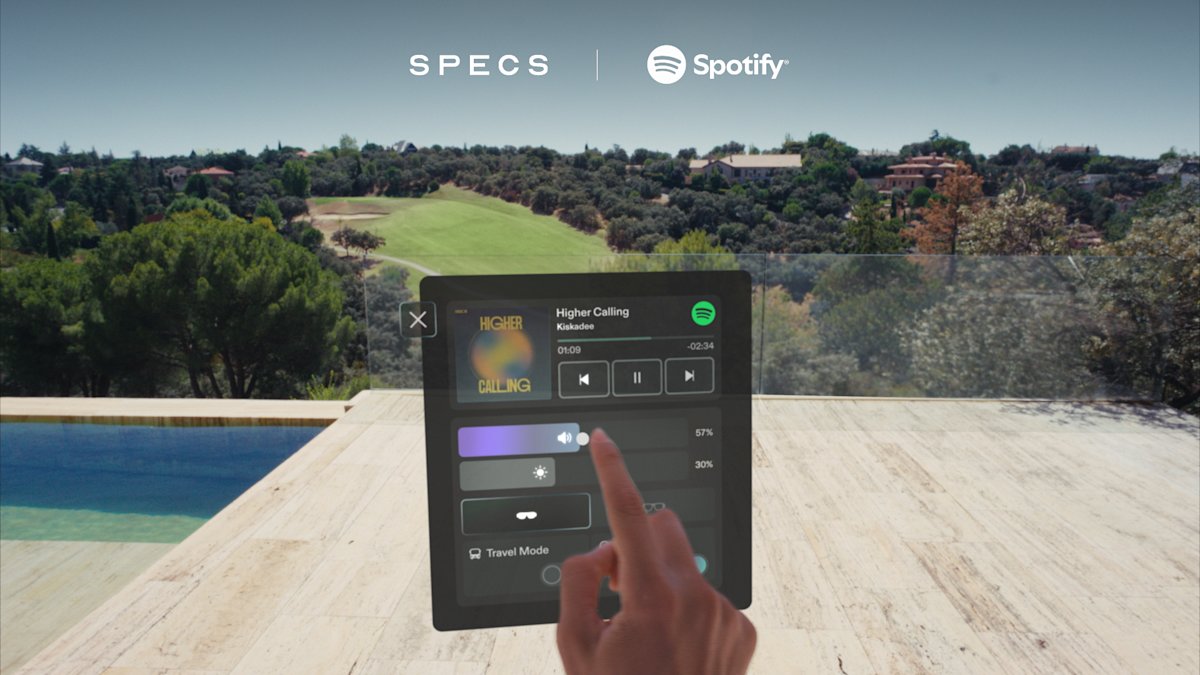
The consumer side is just as ambitious. Snap says SPECS can translate spoken conversations across 60 languages with subtitles overlaid in the wearer’s view, provide walking navigation, stream YouTube and HBO Max on a virtual display that appears roughly like a 115-inch screen from about 10 feet away, make hands-free video calls, and control music through Spotify. The glasses can also pair over Bluetooth with a phone for calls and notifications. Snap says a central external LED lights or flashes when the wearer records, and it says SPECS does not use facial recognition to identify people or continuously record the environment.

The Price Still Makes This Early-Adopter Tech
SPECS cost $2,195, with preorders requiring a refundable $200 deposit. A cellular charging-case bundle costs $2,395. Snap says the case adds four charges and cellular connectivity, and Verizon is offering U.S. financing and data plans while Orange and EE are partners in France and the UK. Shipping is expected later this fall in the United States, United Kingdom, and France. Reuters noted the obvious challenge: AR remains an expensive category, and even Apple’s Vision Pro has struggled to become a mainstream product.
Why This Is Cool
The most important idea here is not “smart glasses can show notifications.” We have seen versions of that for years. The interesting jump is that a wearable computer can combine cameras, spatial awareness, local AI hardware, cloud agents, enterprise databases, and a see-through display into one interface. A technician could look at a machine, ask what is wrong, pull the work order, see the correct component highlighted, call a remote expert, and update the ticket without putting down a tool. If that workflow becomes reliable enough, AR glasses stop being a novelty and start looking like the next display for AI-assisted work.
Sources
- Snap Newsroom — New Ways to Work with SPECS for Enterprise
- Snap Newsroom — Making Computing More Human with SPECS
- Reuters — Snap targets enterprises with Salesforce, NVIDIA AI tools for Specs AR glasses
BitcoinVersus.Tech
Editor’s Note: BitcoinVersus.Tech reports on hardware, software, artificial intelligence, semiconductors, networking, energy, robotics, and emerging computing platforms with an emphasis on how the technology actually works.
We volunteer daily to ensure the credibility of the information on this platform is Verifiably True. If you would like to support our research initiatives, please donate here: 3C9o19EH5HSiwEPyCTmEKzxhNCbo2X6TTb
BitcoinVersus.tech is not a financial advisor. This media platform reports on technical and financial subjects purely for informational purposes.


Leave a comment