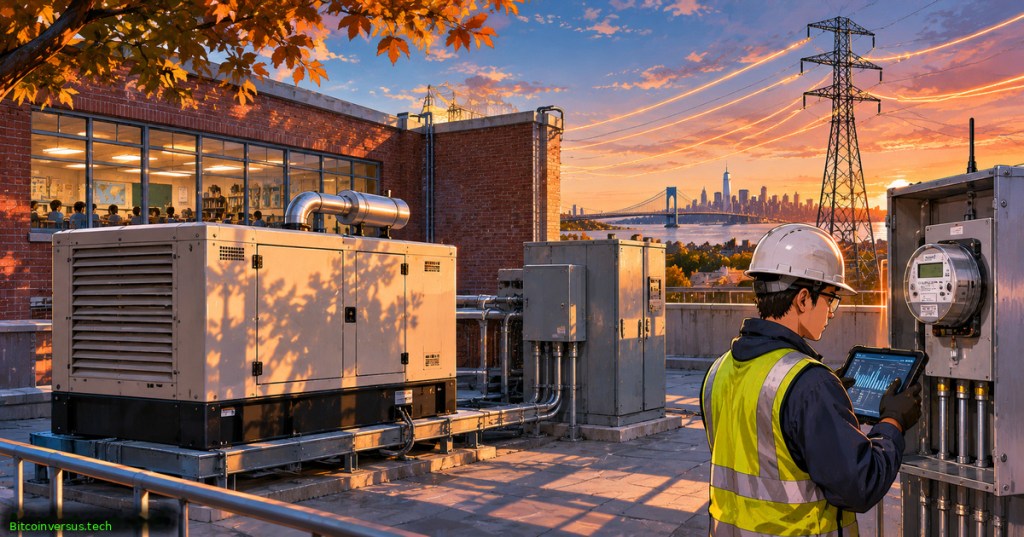
A Staten Island charter school’s backup generator has entered New York’s wholesale electricity market, according to a November 12, 2026 announcement from Strobe Power. New World Preparatory Charter School can now dispatch generation for the New York Independent System Operator (NYISO) while retaining emergency-power capability. Strobe calls the transaction New York City’s first direct wholesale sale by a building generator under NYISO’s Distributed Energy Resource (DER) Participation Model. Independent transaction and settlement records were not provided.
The New York Independent System Operator’s official October 2024 Power Trends podcast explains how small energy resources participate in its new DER market. Background to the school transaction, not footage of the school. Credit: NYISO / YouTube.
From emergency backup to market participant
The generator previously waited for outages and required school employees to start it manually. Strobe now provides dispatch, monitoring, interconnection control and trading services. The company says the school generated electricity across 100% of scheduled intervals during a particularly stressed summer grid day, including the system peak hour. Reported real-time wholesale prices reached $1,000–$2,000 per megawatt-hour; the price range is not the school’s documented settlement price or net revenue.
The company’s disclosure does not specify the generator’s nameplate megawatts, fuel type, hours of annual operation or exact cash earned by the school. Treating the milestone as a particular amount of new grid capacity would therefore overstate the available evidence. Google and Voltus’s distributed-power program represents a larger, separately reported example of coordinating flexible electricity resources.
How a small generator satisfies grid rules
NYISO’s DER framework allows qualified small resources to join an aggregation and bid into wholesale energy and ancillary-service markets. The grid operator’s published technical FAQ requires six-second real-time telemetry for aggregations and revenue-quality metering for settlement. Telemetry updates are measurements, not proof that a generator physically changes output every six seconds.
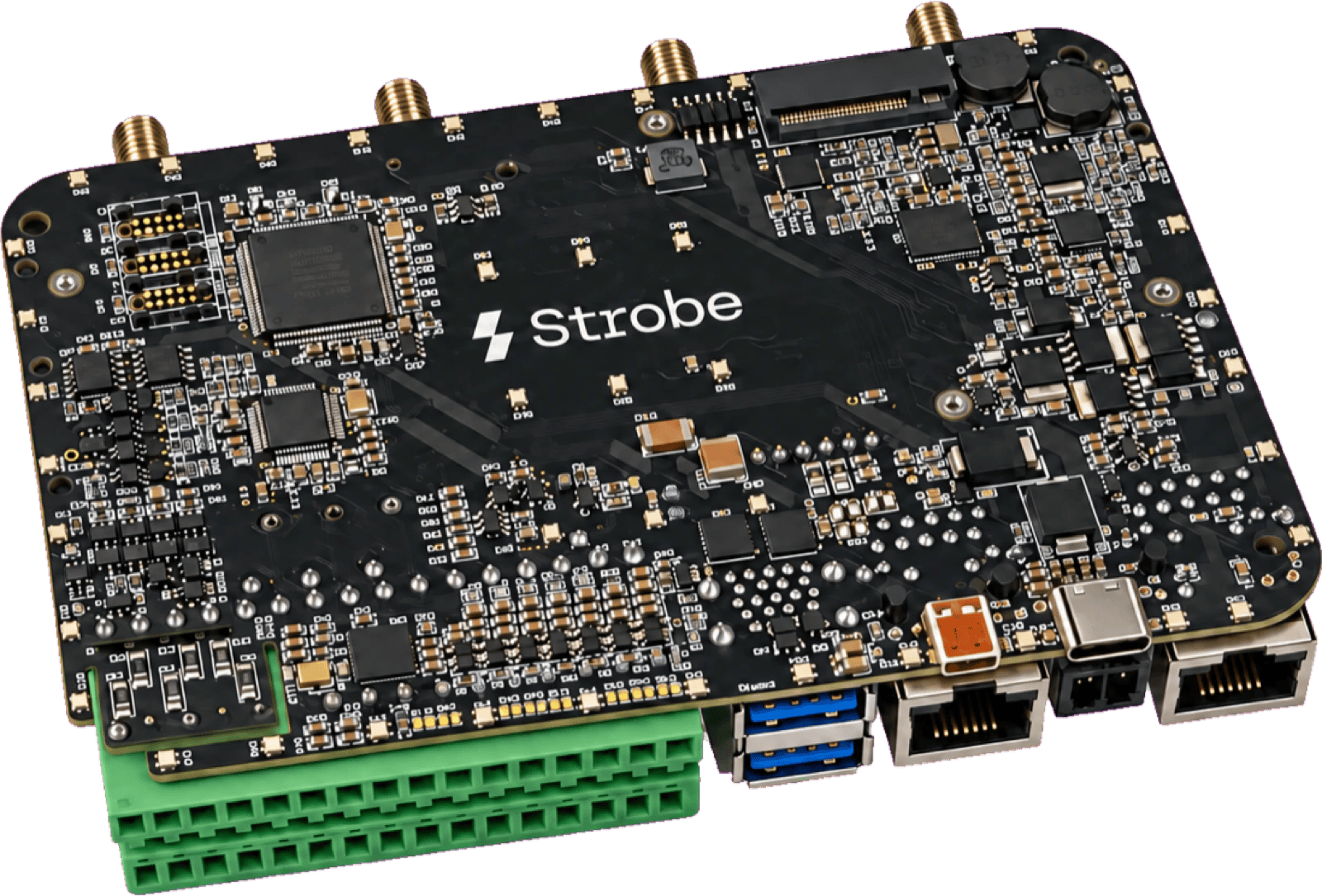
Strobe describes three interconnected products: an Edge controller at equipment, an Interconnection system managing meters and protective devices, and cloud-based Operator software handling forecasts, trading and dispatch. Controls must preserve required safety protections and grid-export limitations. Electrical safety-feedback principles remain relevant when switching machinery between operating modes.
A power plant without a conventional power-plant site
The same asset can offer several services: reduced demand charges, emergency power, wholesale energy and certain operating reserves. Strobe says the school already takes part in Con Edison’s demand-response programs and NYISO’s 10-minute non-synchronous reserves. NYISO rules require disclosure and coordination of dual participation, helping prevent the same capability from being promised incompatibly to multiple programs.
Energy Systems Integration Group’s April 2026 panel on FERC Order 2222 includes NYISO engineer Mary McColgan discussing DER market participation. Independent technical discussion predating the announcement. Credit: Energy Systems Integration Group / YouTube.
A future battery at the school is planned, not installed or generating revenue under the November announcement. Similar California home-battery aggregation illustrates how storage can contribute flexibility without running a combustion generator. Statkraft’s grid-forming battery serves a different technical function: supporting voltage and system stability.
Revenue and reliability still need independent measurement
Turning standby generation into merchant supply creates trade-offs. Fuel costs, local emissions permits, maintenance, runtime limits, generator aging, telemetry failure and competing backup obligations can reduce economic value. A high wholesale spot price does not by itself establish profits. The reported first sale offers a concrete operating example, but no independent school-level dispatch dataset, profit-and-loss statement or generator emissions measurements were available for verification.
NYISO opened its DER participation model in 2024, although broader implementation and participation rules continue evolving. The engineering significance of the school’s reported transaction is the combination of small-scale equipment, bidirectional metering, market registration and automated dispatch in one participating building—not evidence that every backup generator can immediately sell electricity.
Primary sources: Strobe Power announcement, November 12, 2026; NYISO DER and Aggregation FAQ; Strobe Edge controller product details; EnergyTech independent coverage, November 12. Transaction performance and first-in-city status are company-reported claims.
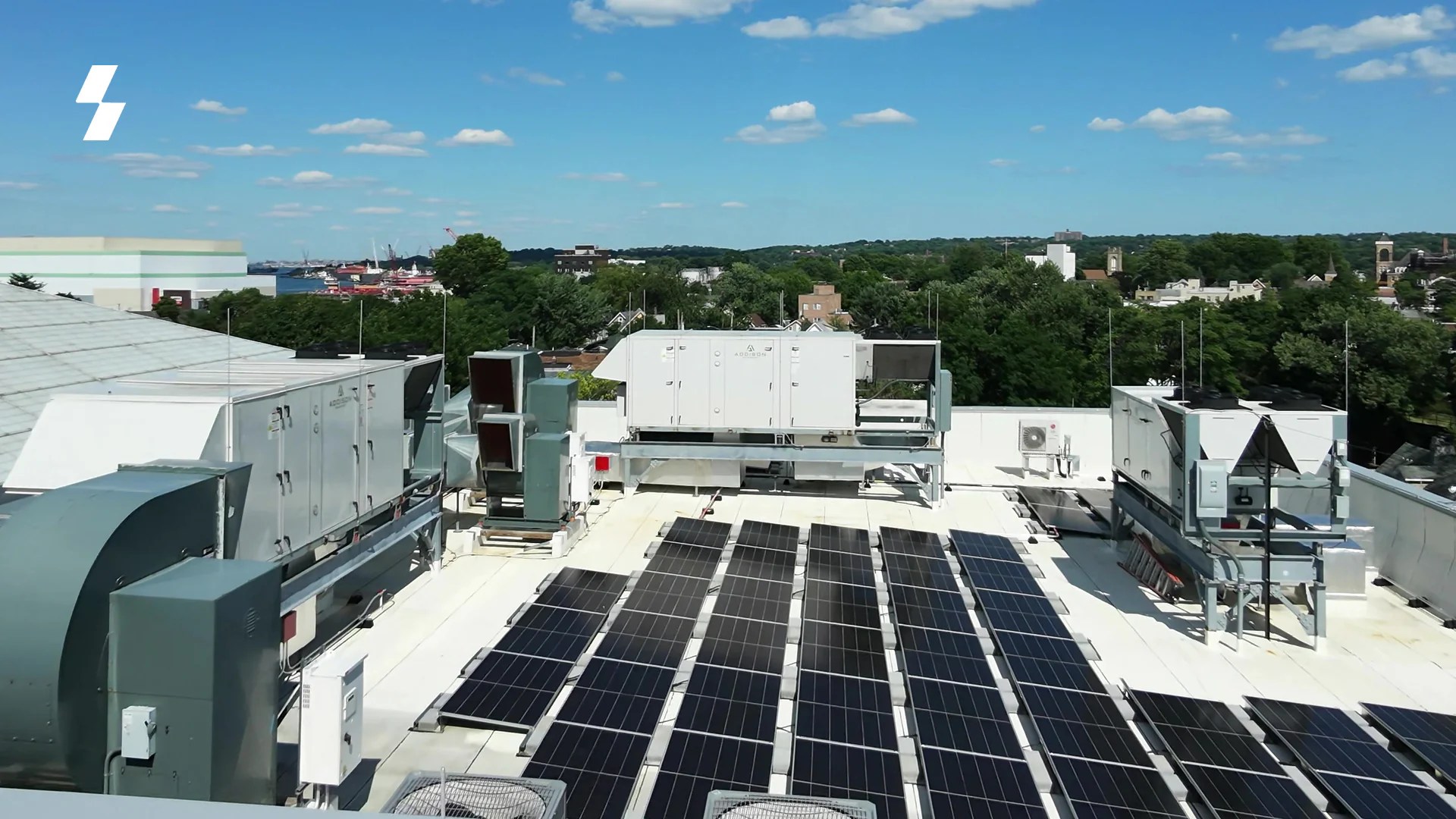
Editor’s Note: The article separates Strobe Power’s transaction claims from independent NYISO rules, identifying the unknown generator rating, fuel type, emissions, and realized revenue. The featured 1200 × 630 cinematic-anime illustration is original conceptual artwork with a 10-point neon-green Bitcoinversus.tech watermark at bottom-left, not a photograph of New World Preparatory Charter School. The two in-story images are genuine company materials showing related rooftop equipment and edge-controller hardware, not verified pictures of the school installation. Both YouTube videos come from identified NYISO and engineering-industry sources and predate the transaction. WordPress iframe markup alone cannot confirm actual playback.

BitcoinVersus.Tech is a volunteer-run independent technical publication. An optional 5,000-satoshi donation supports reporting and research. Scan the original QR from a second screen with a compatible Bitcoin wallet. On the same phone, use a wallet supporting import of a saved QR image. Confirm recipient 3C9o19EH5HSiwEPyCTmEKzxhNCbo2X6TTb and 5,000 sats independently before authorizing payment. Bitcoin transfers are generally irreversible.
We volunteer daily to ensure the information on BitcoinVersus.Tech is Verifiably True. Energy and engineering reporting is for education and information, not a guarantee of returns, permission to alter production power infrastructure, or individualized financial advice.


Leave a Reply